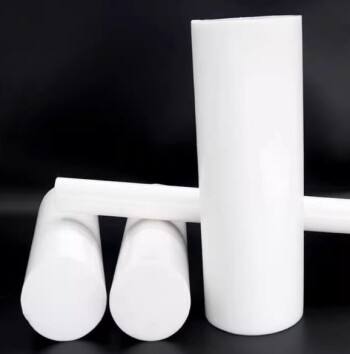
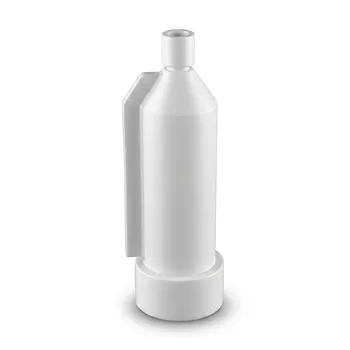
PTFE liners are essential for iridium oxide synthesis because they create a chemically inert barrier that survives extreme hydrothermal conditions. They protect the reactor's metal shell from corrosive reagents—whether acidic, alkaline, or oxidative—while preventing metal ion contamination of the catalyst. Furthermore, their non-stick properties ensure the complete and uncontaminated recovery of delicate iridium oxide nanoparticles.
The use of PTFE liners in high-pressure reactors is a dual-purpose strategy: it safeguards the structural integrity of the stainless steel autoclave from chemical erosion and ensures the electrochemical purity of the iridium oxide by preventing the leaching of foreign metal ions.
Chemical Stability in Corrosive Environments
Resisting Aggressive Reagents
Hydrothermal treatment of iridium oxide often involves highly acidic, strongly oxidative, or concentrated alkaline solutions like KOH. PTFE (Polytetrafluoroethylene) is uniquely resistant to nearly all chemical attacks, preventing the reaction media from reacting with the vessel walls.
Thermal and Pressure Resilience
These reactions occur under extreme conditions, often reaching temperatures up to 250°C and pressures near 55 bar. PTFE liners maintain their physical stability and chemical inertness under these stresses, providing a reliable environment for the synthesis of iridium oxyhydroxide and other precursors.
Protecting Catalyst Purity and Yield
Preventing Metal Ion Contamination
If the reaction media were in direct contact with the stainless steel autoclave, metal ions (like iron, nickel, or chromium) would leach into the solution. This contamination would compromise the purity and consistency of the iridium oxide catalyst’s active sites, potentially ruining its catalytic performance.
Enhancing Product Recovery
Iridium oxide is synthesized as nano-sized particles which can easily adhere to rough surfaces. The extremely low surface energy and smooth texture of PTFE provide a non-stick surface that facilitates the complete collection of the synthesized powder and simplifies the cleaning process.
Understanding the Trade-offs
Temperature and Pressure Limits
While PTFE is robust, it has a functional "ceiling" typically around 250°C. Exceeding these limits can cause the liner to soften, deform, or even release toxic fluorinated vapors, which limits the temperature range of the hydrothermal process.
Thermal Expansion Mismatch
PTFE has a significantly higher coefficient of thermal expansion than the steel outer shell of the reactor. This difference requires careful cooling and heating protocols to prevent the liner from buckling or creating gaps where corrosive liquid could seep through to the metal shell.
Applying This to Your Synthesis Process
Strategic Recommendations
- If your primary focus is Maximum Catalyst Purity: Always use a high-quality, virgin PTFE or PFA liner to ensure no foreign metal ions interfere with the iridium oxide active sites.
- If your primary focus is High-Temperature Processing (Above 250°C): Consider alternatives like PPL (Polyphenylene polymers) or quartz liners, as standard PTFE may lose structural integrity at these extreme ranges.
- If your primary focus is Ease of Maintenance: Leverage the non-stick properties of PTFE to implement standardized cleaning protocols, ensuring no cross-contamination between different batches of iridium oxide.
Using a PTFE liner is the industry standard for ensuring that the harsh chemistry required to form iridium oxide does not destroy the very tools used to create it.
Summary Table:
| Feature | Benefit for Iridium Oxide Synthesis | Why It Matters |
|---|---|---|
| Chemical Inertness | Corrosion Resistance | Protects reactor walls from aggressive acids and oxidative reagents. |
| Metal-Free Surface | High Catalyst Purity | Prevents leaching of Fe, Ni, or Cr ions that degrade catalytic activity. |
| Non-Stick Texture | Enhanced Recovery | Facilitates complete collection of synthesized nano-sized particles. |
| Thermal Stability | Reliable Reaction Environment | Maintains integrity under hydrothermal conditions up to 250°C. |
Elevate Your Synthesis Purity with KINTEK Fluoropolymer Solutions
Precision in iridium oxide synthesis demands materials that never compromise your results. KINTEK specializes in high-performance PTFE and PFA laboratory supplies designed to withstand the most aggressive hydrothermal environments.
Our extensive range covers every stage of your workflow:
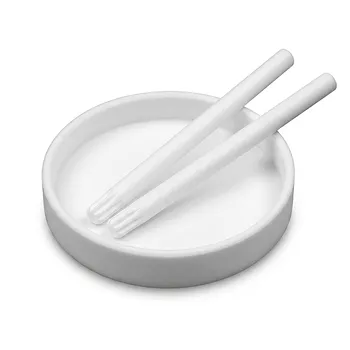
- Basic Labware: Beakers, crucibles, reagent/wash bottles, and digestion tubes.
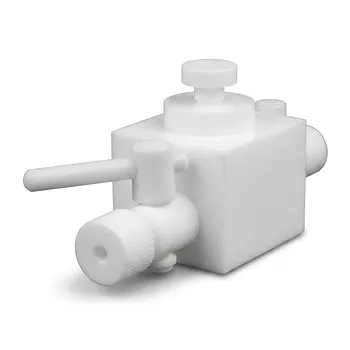
- Fluid Transfer: High-purity tubing, fittings, and valves.
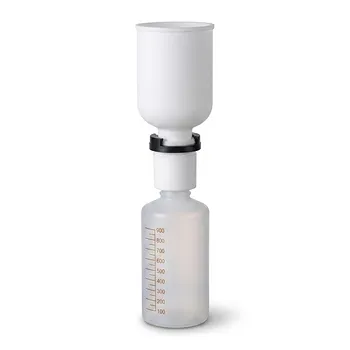
- Sample Prep: Separatory funnels, filters, pipettes, and spatulas.
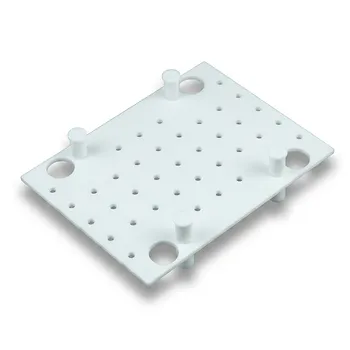
- Advanced Apparatus: Hydrothermal synthesis liners, microwave digestion vessels, electrochemical cells, and custom microchannel reactors.
Whether you need standard consumables like stirring bars and O-rings or bespoke laboratory setups via our end-to-end custom CNC fabrication, KINTEK delivers absolute quality with an exclusive focus on high-performance fluoropolymers.
Ensure the integrity of your next batch—contact us today to discuss your custom requirements!
References
- Genevieve C. Moss, Rhiyaad Mohamed. Perchlorate Fusion–Hydrothermal Synthesis of Nano‐Crystalline IrO <sub>2</sub> : Leveraging Stability and Oxygen Evolution Activity. DOI: 10.1002/smll.202412237
This article is also based on technical information from Kintek Knowledge Base .
Related Products
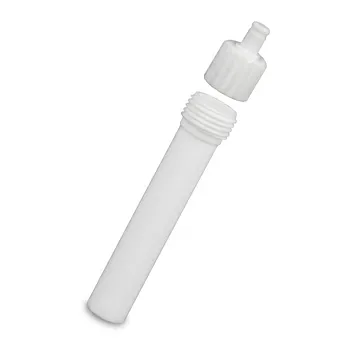
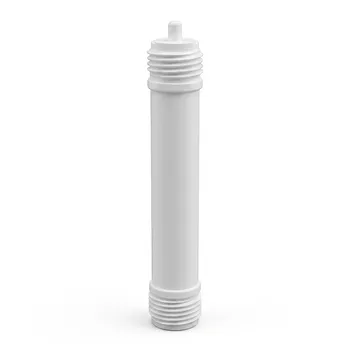
- High Purity PTFE Microwave Digestion Vessel Replacement Liner for Acid Sample Preparation and Trace Analysis
- High Purity PTFE Microwave Digestion Vessel for Soil and Food Analysis Acid Resistant Fluoropolymer Sample Preparation Liners
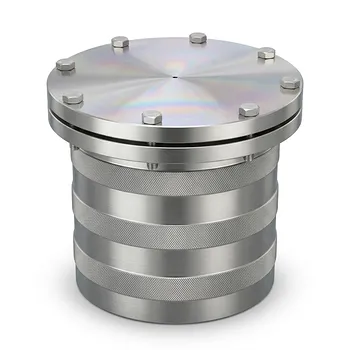
- Custom TFM Reaction Vessel with Stainless Steel Jacket and PTFE Inner Cup for High Corrosion Resistance
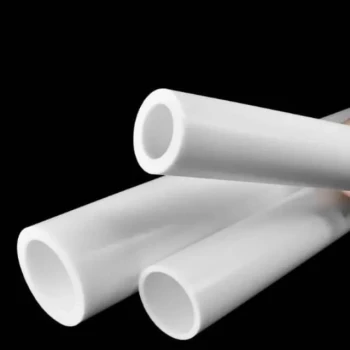
- Custom PTFE Sleeves and Hollow Rods for Advanced Applications
- Customizable PTFE Rods for Advanced Industrial Applications
People Also Ask
- How does the dielectric property of PTFE benefit microwave-assisted digestion? Unlock Rapid and Uniform Sample Heating
- What safety features are commonly integrated into microwave digestion vessels? Ensuring High-Pressure Laboratory Safety
- What are the advantages of using microwave digestion vessels for environmental analysis? Boost speed and sample accuracy.
- What are the advantages of using microwave digestion vessels? Optimize EG@MO synthesis with superior thermal control.
- How do microwave digestion vessels support pharmaceutical elemental impurity testing? Achieve Precise USP Compliance