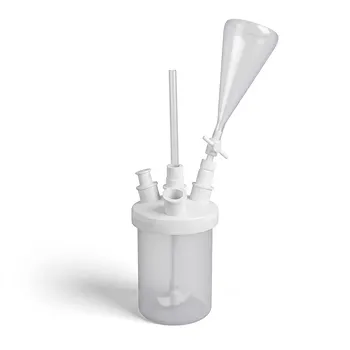
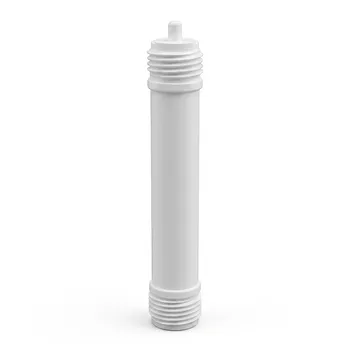
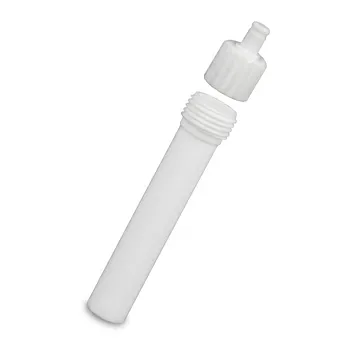
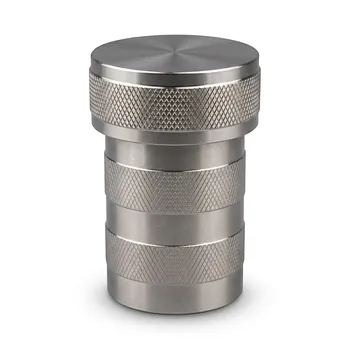
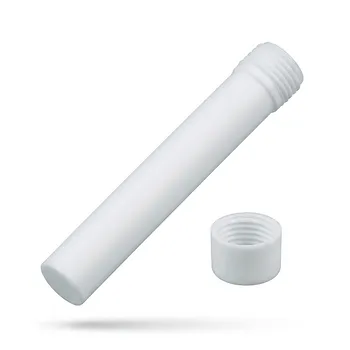
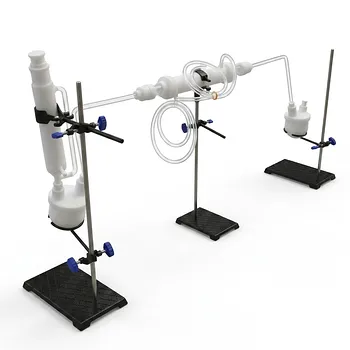
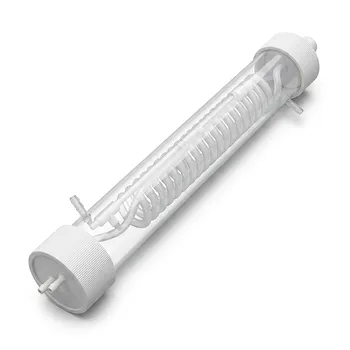
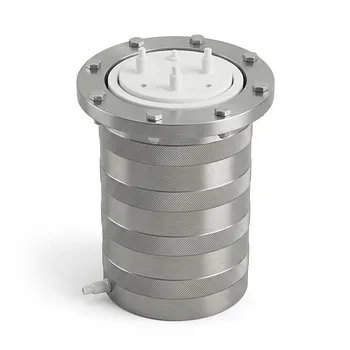
High-purity PTFE or PFA materials are essential for hydrothermal synthesis liners because they provide an uncompromising chemical barrier between corrosive reactants and the metal autoclave. These fluoropolymers are selected for their exceptional chemical inertness and their ability to maintain structural integrity under the intense heat and pressure required for copper nanoparticle formation. By isolating the reaction, they prevent the leaching of metal impurities from the autoclave body into the sample, ensuring the high purity and chemical stability of the synthesized nanoparticles.
The use of PTFE or PFA liners is a critical technical requirement for hydrothermal synthesis, serving to protect the expensive autoclave hardware from corrosion while simultaneously preventing metallic contamination. This dual-purpose isolation is the only way to guarantee the precise chemical composition and performance of nanomaterials.
The Role of Chemical Inertness in Nanoparticle Purity
Eliminating Metal Ion Leaching
During hydrothermal synthesis, the presence of even trace foreign metal ions can significantly degrade the quality of copper nanoparticles. PTFE and PFA liners act as a physical and chemical seal that prevents the stainless steel of the autoclave from coming into contact with the reaction medium. This ensures that no iron, chromium, or nickel ions leach into the solution, which is vital for maintaining the electrical and catalytic properties of the copper.
Resisting Corrosive Precursors
The synthesis of copper nanoparticles often involves aggressive precursors like nitrates, chlorides, and strong bases such as sodium hydroxide. These chemicals are highly corrosive, especially at the elevated temperatures found in a hydrothermal reactor. Fluoropolymer liners are uniquely resistant to these acids and bases, allowing the reaction to proceed without eroding the vessel or introducing byproduct contaminants.
Ensuring a Pure Reaction Interface
Because PTFE and PFA have extremely low impurity leaching rates themselves, they provide a "clean slate" for crystal growth. This controlled environment allows for the production of high-performance materials with a narrow particle size distribution. By removing the variable of vessel interference, researchers can achieve higher reproducibility in their nanoparticle characteristics.
Thermal and Structural Stability Under Pressure
Maintaining Integrity at High Temperatures
Hydrothermal synthesis relies on temperatures that often exceed the boiling point of the solvents used. High-purity PTFE and PFA are chosen because they maintain their physical properties and chemical stability across a broad temperature range. This stability ensures the liner does not degrade or release organic fragments into the reaction system during the hours or days required for synthesis.
Protecting the Stainless Steel Autoclave
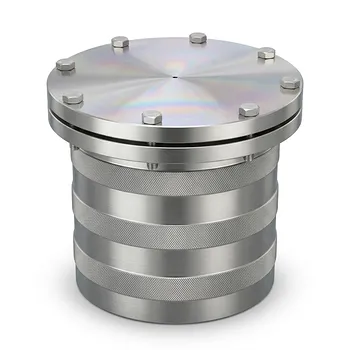
The outer "jacket" of a hydrothermal reactor is typically made of high-strength stainless steel to withstand extreme internal pressures. However, this steel is susceptible to stress corrosion cracking if exposed to acidic or alkaline reaction media. The liner serves as a sacrificial and replaceable barrier that preserves the structural integrity and safety of the pressure vessel.
Enhancing Yield and Collection Efficiency
Non-Stick and Mold-Release Properties
Copper nanoparticles and nanopowders can be difficult to recover if they adhere to the walls of the reaction vessel. PTFE is well-known for its excellent mold-release properties, which prevent the synthesized materials from sticking to the liner. This ensures maximum yield and simplifies the cleaning process between experimental runs.
Compatibility with Complex Solvents
Beyond aqueous solutions, hydrothermal synthesis may involve organic solvents like DMSO. High-purity PFA and PTFE offer superior resistance to a wide array of organic solvents that would otherwise soften or dissolve lesser plastics. This versatility makes them the standard choice for diverse nanoparticle synthesis protocols.
Understanding the Trade-offs and Limitations
Temperature and Pressure Ceilings
While highly resistant, PTFE and PFA have clear thermal limits, typically ranging between 200°C and 260°C. Exceeding these temperatures can cause the material to soften or "creep," which may lead to a loss of the hermetic seal or permanent deformation of the liner.
Heat Transfer Efficiency
Fluoropolymers are thermal insulators, meaning they do not conduct heat as efficiently as the metal autoclave body. This creates a thermal lag between the laboratory oven's temperature and the actual temperature inside the reaction liquid. Users must account for this delay when timing their synthesis or calibrating their heating protocols.
How to Select the Right Liner for Your Goal
To achieve the best results in hydrothermal synthesis, your choice of liner material should align with your specific experimental parameters.
- If your primary focus is Maximum Chemical Purity: Utilize high-purity PTFE liners to ensure the lowest possible leaching rates and a completely inert environment for sensitive copper nanoparticle growth.
- If your primary focus is High-Temperature Resilience: Opt for PFA liners if your synthesis pushes toward the upper limits of fluoropolymer stability, as PFA often maintains better mechanical properties at elevated temperatures compared to standard PTFE.
- If your primary focus is High Yield and Easy Recovery: Leverage the non-stick surface of PTFE to ensure that nanopowders can be easily collected without loss or contamination from scraping the vessel walls.
By prioritizing the use of high-purity fluoropolymer liners, you ensure both the safety of your laboratory equipment and the uncompromising quality of your synthesized nanomaterials.
Summary Table:
| Feature | Benefit for Nanoparticle Synthesis | Temperature Limit |
|---|---|---|
| Chemical Inertness | Prevents metal ion leaching (Fe, Cr, Ni) from the autoclave body. | N/A |
| Corrosion Resistance | Withstands aggressive precursors like nitrates and strong bases. | N/A |
| Non-Stick Surface | Ensures high yield and easy recovery of synthesized nanopowders. | N/A |
| PTFE Stability | Ideal for high-purity environments and standard synthesis. | Up to 200°C - 260°C |
| PFA Stability | Maintains better mechanical integrity at peak temperatures. | Up to 260°C |
Elevate Your Synthesis Precision with KINTEK
Ensure the integrity of your research with KINTEK’s premium fluoropolymer solutions. As experts in high-performance materials, we provide everything from everyday basic labware—including beakers, crucibles, and reagent bottles—to specialized high-purity trace analysis instruments and hydrothermal synthesis liners.
Whether you need standard consumables like stirring bars and O-rings, fluid transfer components such as tubing and valves, or advanced reaction apparatus like custom electrochemical cells and microwave digestion vessels, KINTEK delivers. Our end-to-end custom CNC fabrication allows us to produce bespoke laboratory setups and complex non-standard parts tailored to your specific nanoparticle synthesis needs.
Ready to optimize your lab's performance? Contact us today to discuss your custom requirements or high-volume orders!
References
- Paulo José Duarte Rodrigues, Marco Aurélio Zezzi Arruda. Hydrothermal Synthesis Methods for Copper Nanoparticles: A Mini-Review. DOI: 10.30744/brjac.2179-3425.rv-132-2024
This article is also based on technical information from Kintek Knowledge Base .
Related Products
- PTFE Lined High Pressure Digestion Vessel 50ml High Temperature Hydrothermal Synthesis Tank
- PTFE PFA Vacuum Filtration System Corrosion Resistant Customizable Shatterproof Laboratory Device
- Corrosion Resistant PTFE Support with PFA Transparent Reaction Tank and High Purity PFA Sampling Tube for Trace Analysis
- PTFE Acid Steam Cleaning System HF Resistant Trace Analysis Beaker Digestion Tank Customizable
- Custom TFM Reaction Vessel with Stainless Steel Jacket and PTFE Inner Cup for High Corrosion Resistance
People Also Ask
- What are the benefits of using a PTFE-lined vessel for carbon-sulfur cathode treatment? Maximize Purity & Performance
- Why are PTFE-lined pressure digestion vessels required for the preparation of Ag/CeO2 catalysts? Purity & Performance
- What is the function of high-pressure PTFE digestion vessels in mineral analysis? Optimize Sample Mineralization
- What safety features are typically incorporated into high-pressure PTFE digestion vessel designs? Ensure Lab Safety
- What is the function of PTFE lined high-pressure vessels in g-C3N4 synthesis? Achieve High-Purity Material Growth