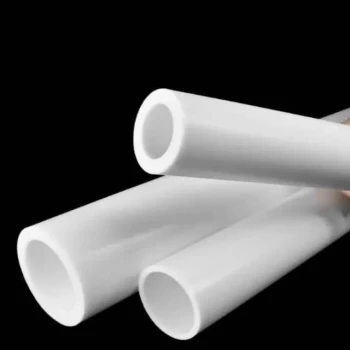
High-purity PTFE or PFA liners are used in the hydrothermal synthesis of Co-MoS2 catalysts primarily to ensure chemical purity and structural integrity. These materials provide a chemically inert barrier that prevents metal ions from the reactor walls from leaching into the precursor solution, which would otherwise poison the catalyst's active sites and degrade its electrocatalytic performance.
Core Takeaway: The use of fluoropolymer liners like PTFE and PFA is critical for isolating the reaction environment from the corrosive effects of precursors and high-pressure conditions, ensuring the synthesized Co-MoS2 maintains its intended electronic structure and catalytic efficiency.
The Role of Chemical Inertness in Catalyst Purity
Preventing Ion Leaching from Vessel Walls
Hydrothermal synthesis involves high temperatures and pressures that can cause precursor solutions to become highly aggressive. Without a liner, these solutions would react with the stainless steel or alloy walls of the autoclave, leaching metal ions like iron, nickel, or chromium into the reaction.
These external impurities can integrate into the crystal lattice of the Co-MoS2 nanostructures. Even trace amounts of foreign metals can fundamentally alter the catalyst's properties and lead to inconsistent experimental results.
Maintaining the Precise Electronic Structure
Co-MoS2 relies on a specific arrangement of cobalt atoms within the molybdenum disulfide matrix to create active sites for reactions like the Hydrogen Evolution Reaction (HER). High-purity liners ensure that no unintended elements interfere with this electronic structure.
By providing an ultra-clean synthesis environment, PTFE and PFA liners guarantee that the resulting nanostructured catalysts exhibit the exact morphology and phase purity required for high-performance applications.
Survival in Extreme Hydrothermal Environments
Resistance to Corrosive Precursors
The synthesis of Co-MoS2 often requires the use of strong acids, bases, or sulfur-containing organic solvents. PTFE and PFA are famous for their exceptional chemical resistance, remaining stable even when exposed to these harsh reagents at elevated temperatures.
This resistance protects the structural integrity of the outer pressure vessel. By acting as a chemical protection barrier, the liner prevents the reaction media from compromising the safety and longevity of the hydrothermal reactor.
Thermal and Barometric Stability
Fluoropolymers can withstand the extreme pressures generated within a sealed autoclave during the heating process. Their thermal stability ensures that the liner does not decompose or release its own carbon-based impurities into the growth system.
This stability allows for the controlled growth of single crystals and uniform nanopowders. The result is a more reliable synthesis process that produces catalysts with reproducible electrocatalytic activity.
Practical Advantages in Material Collection
Non-Stick Properties and Mold Release
One of the secondary benefits of using PTFE is its extremely low surface energy, which provides excellent mold-release properties. This makes it much easier to collect the synthesized Co-MoS2 nanopowders after the reaction is complete.
Because the material does not adhere to the liner walls, researchers can achieve higher yields and minimize the risk of mechanical contamination during the recovery phase. This also simplifies the cleaning process for the reaction vessel between experiments.
Understanding the Trade-offs and Limitations
Temperature Thresholds of Fluoropolymers
While PTFE and PFA are highly stable, they have clear thermal limits, typically around 250°C to 260°C. Exceeding these temperatures can lead to the "creeping" or deformation of the liner, potentially causing a seal failure in the autoclave.
Mechanical Deformation Under Pressure
Because these materials are relatively soft compared to the metal shells that house them, they can deform over time under repeated high-pressure cycles. This mechanical fatigue requires regular inspection of the liners to ensure they haven't thinned or cracked, which would expose the metal shell to corrosion.
How to Apply This to Your Project
Recommendations for Synthesis Planning
- If your primary focus is maximum catalyst purity: Always opt for high-purity, virgin PTFE liners and perform a "blank" cleaning run with dilute acid before the actual synthesis.
- If your primary focus is operating above 250°C: Avoid standard fluoropolymer liners and consider specialized PPL (polyphenylene polymers) or quartz liners, though these may offer different chemical resistance profiles.
- If your primary focus is ease of material recovery: Utilize PTFE liners specifically for their non-stick properties, ensuring that the synthesized nanostructures can be fully harvested without scraping the vessel walls.
Choosing the right liner material is not just about protection; it is a fundamental step in ensuring the scientific validity and performance of your synthesized catalysts.
Summary Table:
| Key Feature | Benefit in Co-MoS2 Synthesis | Practical Impact |
|---|---|---|
| Chemical Inertness | Prevents metal ion leaching from reactor walls | Maintains catalyst phase purity and active sites |
| Corrosion Resistance | Withstands aggressive sulfur-based precursors | Protects the autoclave and ensures safety |
| Non-Stick Surface | Facilitates easy collection of nanopowders | Increases material yield and simplifies cleaning |
| Thermal Stability | Stable up to 260°C under high pressure | Ensures reproducible nanostructure growth |
Elevate Your Research with KINTEK’s High-Performance Fluoropolymers
Precision in catalyst synthesis demands materials that never compromise your results. At KINTEK, we specialize in high-purity PTFE and PFA solutions designed for the most demanding hydrothermal environments.
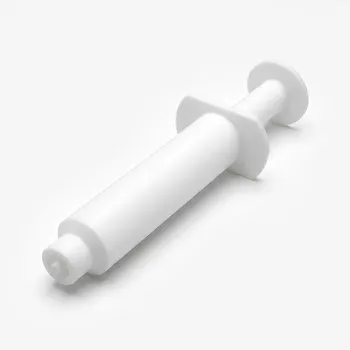
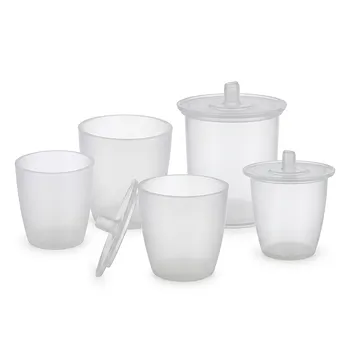
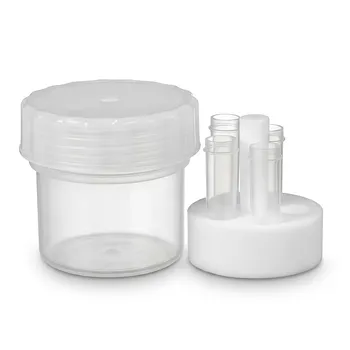
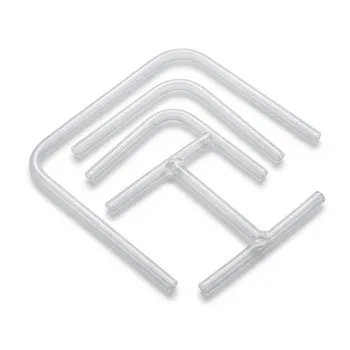
From everyday lab essentials like beakers, crucibles, and reagent bottles to specialized hydrothermal synthesis liners, microwave digestion vessels, and custom electrochemical cells, we provide the ultra-clean tools you need to prevent contamination and ensure structural integrity.
Why choose KINTEK?
- End-to-End Customization: Our advanced CNC fabrication allows us to deliver bespoke laboratory setups and complex non-standard machined parts tailored to your specific project.
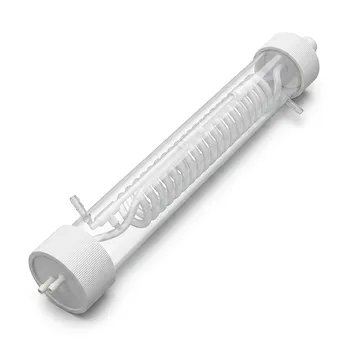
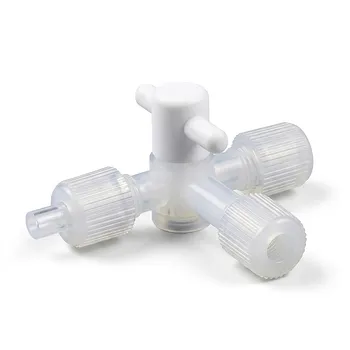
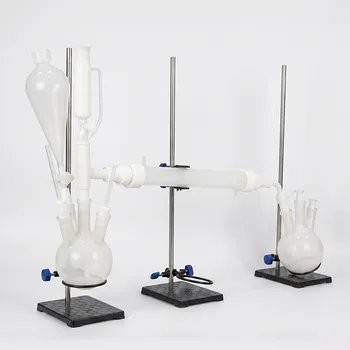
- Comprehensive Range: We supply everything from fluid transfer components (tubing, valves) to sample prep tools (filters, pipettes) and reaction apparatus.
- Material Expertise: An absolute focus on high-performance fluoropolymers ensures your catalysts maintain their intended electronic structure and efficiency.
Ready to optimize your synthesis process? Contact us today to request a quote or discuss your custom fabrication needs!
References
- Wei Liu, Jiaqi Tang. Hydrothermal Synthesis of Co-MoS<sub>2</sub> as a Bifunctional Catalyst for Overall Water Splitting. DOI: 10.1021/acsomega.4c10747
This article is also based on technical information from Kintek Knowledge Base .
Related Products
- PTFE Lined High Pressure Digestion Vessel 50ml High Temperature Hydrothermal Synthesis Tank
- Custom PTFE Acid Resistant Support Rack for PFA Hydrogen Absorption Systems Multi Hole Configurations
- Transparent Corrosion Resistant PFA Thermometer Sleeve and Customizable Hydrogen Fluoride Condensation Device
- High Purity PTFE Microwave Digestion Vessel for Soil and Food Analysis Acid Resistant Fluoropolymer Sample Preparation Liners
- PTFE PFA Vacuum Filtration System Corrosion Resistant Customizable Shatterproof Laboratory Device
People Also Ask
- What are the benefits of using a PTFE-lined vessel for carbon-sulfur cathode treatment? Maximize Purity & Performance
- Why are PTFE-lined pressure digestion vessels required for the preparation of Ag/CeO2 catalysts? Purity & Performance
- What safety features are typically incorporated into high-pressure PTFE digestion vessel designs? Ensure Lab Safety
- What is the function of high-pressure PTFE digestion vessels in mineral analysis? Optimize Sample Mineralization
- What is the function of PTFE lined high-pressure vessels in g-C3N4 synthesis? Achieve High-Purity Material Growth