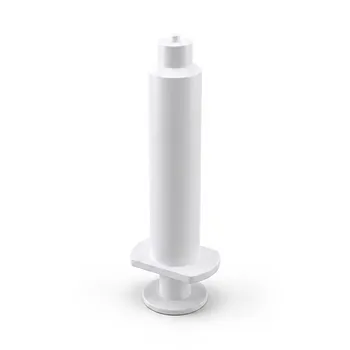
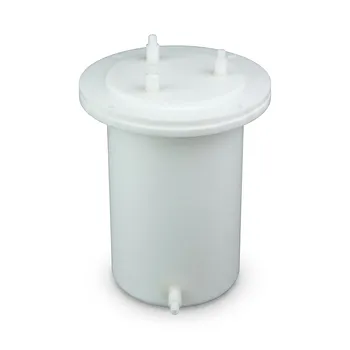
High-purity PTFE or PFA liners are indispensable because they provide a chemically inert barrier against the highly corrosive and penetrative alkaline environment inherent in graphene hydrogel synthesis. In processes involving organic amines at elevated temperatures, these liners prevent metal impurities from the reactor's shell from leaching into the sample. This isolation is critical for maintaining the electrochemical reliability and high purity required for nitrogen and oxygen co-enriched graphene materials.
Core Takeaway: High-performance polymers like PTFE and PFA act as both a shield for the autoclave and a sanctuary for the sample, ensuring that the extreme conditions required for nitrogen/oxygen co-enrichment do not introduce metallic contaminants that would degrade the final material's performance.
The Challenge of Alkaline Hydrothermal Synthesis
Managing High Chemical Penetrativity
The synthesis of nitrogen and oxygen co-enriched graphene often utilizes organic amines, such as n-propylamine, as precursors. At the high temperatures required for hydrothermal reactions, these organic molecules become highly penetrative, seeking any weakness in the reaction vessel’s containment.
Neutralizing Alkaline Corrosion
The introduction of amines creates a strongly alkaline environment within the reactor. Traditional metal reactor walls cannot withstand these conditions without undergoing significant surface corrosion, which would compromise the structural integrity of the autoclave.
Safeguarding Material Purity and Electrochemical Integrity
Preventing Metal Ion Leaching
High-purity PTFE (Polytetrafluoroethylene) and PFA (Perfluoroalkoxy) liners serve as a critical barrier that prevents the reaction liquid from interacting with the metal outer shell. Without this isolation, metal ions would leach from the steel walls into the graphene hydrogel, fundamentally altering its chemical composition.
Ensuring Electrochemical Reliability
For graphene hydrogels, electrochemical performance is the primary metric of success. Even trace amounts of metallic impurities can cause unintended side reactions or degrade the electronic properties of the co-enriched graphene, making high-purity liners essential for reproducible results.
Facilitating Uniform Morphology
A clean reaction environment, free from external contaminants, allows for the unhindered growth of the graphene framework. This ensures that the resulting hydrogel possesses a uniform morphology and consistent pore structure, which are vital for its application in energy storage or catalysis.
Understanding the Trade-offs
Temperature and Pressure Limitations
While PTFE and PFA offer unmatched chemical resistance, they have distinct thermal limits, typically around 250°C to 260°C. Exceeding these temperatures can lead to the deformation of the liner (known as "cold flow") or the release of toxic vapors.
Mechanical Stress and Wear
Under extreme pressures, these liners can become compressed or trapped within the metal shell, making removal difficult. Furthermore, while they are chemically inert, they are mechanically softer than metal and can be scratched or damaged if abrasive tools are used during sample recovery.
Making the Right Choice for Your Goal
When selecting a liner for hydrothermal synthesis, consider the specific requirements of your graphene material:
- If your primary focus is maximum purity and electrochemical precision: Always utilize high-purity PFA liners, as they generally offer even lower leaching rates and better translucency than standard PTFE.
- If your primary focus is cost-effective, routine synthesis at moderate temperatures: Standard PTFE liners provide the best balance of chemical resistance and affordability for temperatures up to 220°C.
- If your primary focus is easy sample recovery of nano-powders: Prioritize liners with a high-quality non-stick finish, which ensures that the synthesized graphene hydrogel can be removed without leaving residue or losing material.
By maintaining a pristine reaction environment through advanced fluoropolymer liners, researchers can ensure that the properties of their graphene hydrogels are a result of intentional doping rather than accidental contamination.
Summary Table:
| Feature | PTFE Liners | PFA Liners |
|---|---|---|
| Temperature Limit | Up to 220°C - 250°C | Up to 260°C |
| Chemical Purity | High (Industry Standard) | Superior (Ultra-low leaching) |
| Transparency | Opaque White | Translucent |
| Best Use Case | Routine hydrothermal synthesis | Trace analysis & maximum precision |
| Primary Benefit | Prevents metallic leaching | Ensures optimal electrochemical data |
Elevate Your Synthesis Precision with KINTEK
Don’t let metallic impurities compromise your research. KINTEK specializes in high-performance fluoropolymer solutions tailored for extreme hydrothermal conditions. From everyday basic labware like beakers, crucibles, and reagent bottles to advanced hydrothermal synthesis liners, microwave digestion vessels, and custom electrochemical cells, we provide the chemically inert environment your materials deserve.
Our end-to-end custom CNC fabrication allows us to deliver everything from complex non-standard machined parts to high-volume orders of tubing, fittings, and filtration tools, all crafted from premium PTFE and PFA. Ensure the absolute purity and electrochemical reliability of your graphene hydrogels with KINTEK’s expert-grade lab supplies.
Contact us today to discuss your custom laboratory setup!
References
- Yong Zhang, Shan Fan. N/O co-enriched graphene hydrogels as high-performance electrodes for aqueous symmetric supercapacitors. DOI: 10.1039/d1ra01863a
This article is also based on technical information from Kintek Knowledge Base .
Related Products
- PTFE Lined High Pressure Digestion Vessel 50ml High Temperature Hydrothermal Synthesis Tank
- High Purity PFA Crucible and Corrosion Resistant PTFE Beaker for Trace Analysis and Custom Laboratory Applications
- High Purity PFA Coiled Tubing Custom PTFE Machining PFA Welding and Precision Bending Solutions
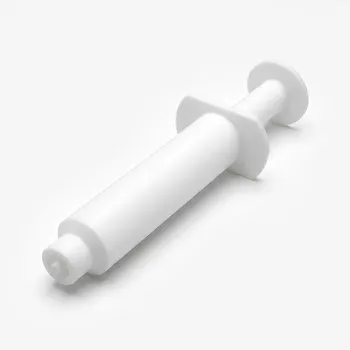
- High Purity Virgin PTFE Syringe 20ml Chemical Resistant Liquid Handling for Syringe Pumps and PFA Tubing Integration
- High Purity PTFE Microwave Digestion Vessel for Soil and Food Analysis Acid Resistant Fluoropolymer Sample Preparation Liners
People Also Ask
- What are the benefits of using a PTFE-lined vessel for carbon-sulfur cathode treatment? Maximize Purity & Performance
- Why are PTFE-lined pressure digestion vessels required for the preparation of Ag/CeO2 catalysts? Purity & Performance
- What safety features are typically incorporated into high-pressure PTFE digestion vessel designs? Ensure Lab Safety
- What is the function of high-pressure PTFE digestion vessels in mineral analysis? Optimize Sample Mineralization
- What is the function of PTFE lined high-pressure vessels in g-C3N4 synthesis? Achieve High-Purity Material Growth