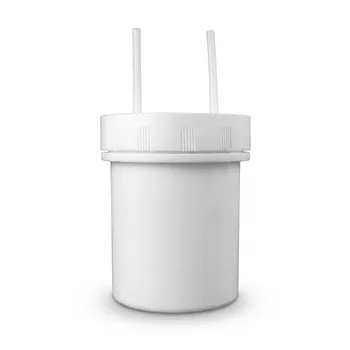
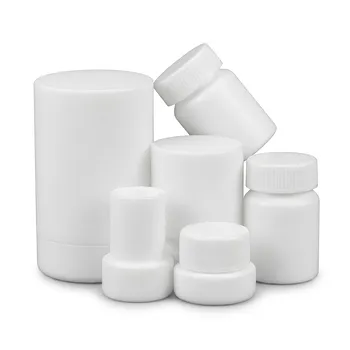
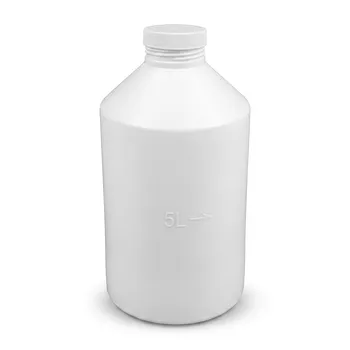
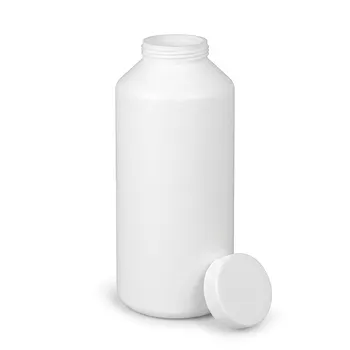
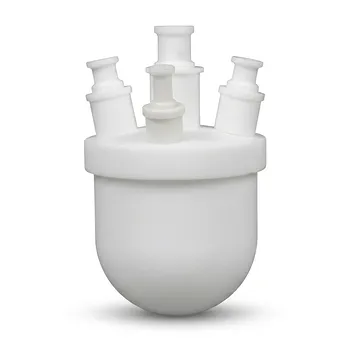
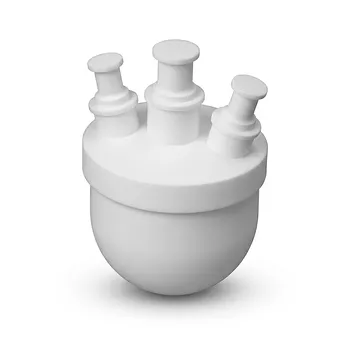
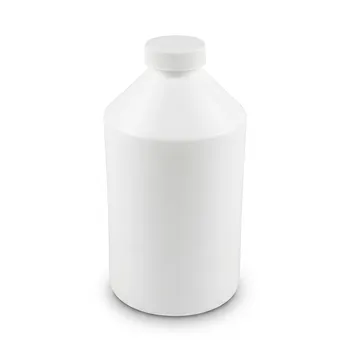
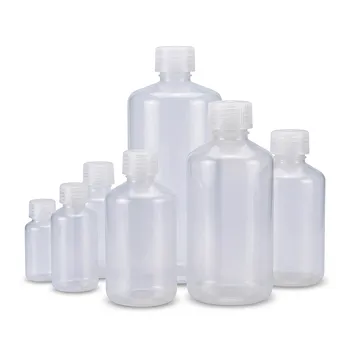
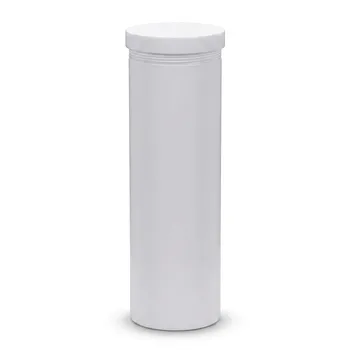
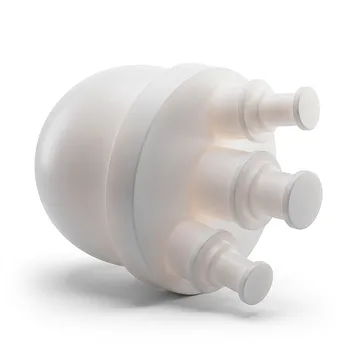
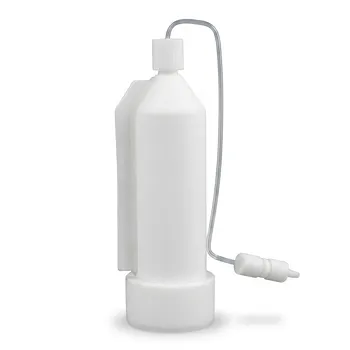
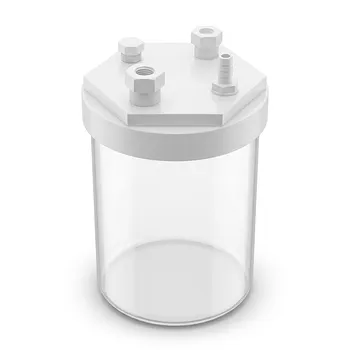
Fluoropolymer storage vessels are effective because their fluorine-rich molecular structure creates a highly stable, low-surface-energy barrier that resists chemical absorption, reaction, and diffusion. Materials such as PTFE and PFA protect volatile solvents, corrosive acids, and high-purity reagents from migrating through container walls, while also minimizing leaching, contamination, and hazardous vapor release. This helps preserve reagent concentration and sample integrity during long-term storage and demanding analytical procedures.
The key advantage is not that fluoropolymers are absolutely impermeable, but that their dense carbon–fluorine structure greatly limits chemical interaction and permeation. Correct material selection, wall thickness, temperature control, and vessel design are still essential for highly volatile or aggressive chemicals.
How Fluoropolymers Limit Chemical Permeation
Strong carbon–fluorine bonds resist chemical attack
Fluoropolymers replace many hydrogen atoms in a polymer backbone with fluorine. The resulting carbon–fluorine bonds are exceptionally strong and chemically stable.
Fluorine atoms also form a protective shell around the carbon backbone. This shielding makes PTFE, PFA, and related materials highly resistant to concentrated acids, bases, organic solvents, and strong oxidizers.
The surface discourages chemical absorption
Chemical permeation typically begins when a molecule dissolves into the container wall. It then diffuses through the polymer matrix and emerges on the opposite side.
Fluoropolymer surfaces have low surface energy and low chemical affinity for many reagents. As a result, volatile compounds and corrosive liquids are less likely to be absorbed into the wall in the first place.
Dense structures slow molecular diffusion
High-quality fluoropolymer vessels provide a dense material barrier between the reagent and the surrounding environment. This reduces the movement of volatile molecules through the container wall and limits loss of sample mass or solvent.
The same barrier also helps prevent atmospheric moisture, oxygen, or external contaminants from entering and altering high-purity reagents.
Why This Matters in Laboratory Storage
Reagent concentration remains more stable
Permeation and evaporation can change the concentration of a stored reagent over time. That is particularly important for volatile acids, organic solvents, standards, and digestion reagents.
By reducing vapor transmission and chemical absorption, fluoropolymer bottles help maintain the intended composition of the stored material.
Hazardous vapor emissions are reduced
A container that allows volatile chemicals to migrate through its walls can expose personnel, damage nearby equipment, or contribute to corrosive laboratory fumes.
Fluoropolymer vessels and appropriately specified closures provide a more reliable barrier for hazardous media, especially when combined with suitable ventilation and secondary containment.
Trace analysis benefits from low contamination
PTFE and PFA are widely used where trace-level contamination must be controlled. Their chemical inertness reduces the risk that the vessel will react with a reagent or release interfering substances into a sample.
This is valuable in microwave digestion, elemental analysis, high-purity reagent storage, and sample preparation, where even small contamination sources can affect results.
The vessel retains its structural integrity
Many conventional plastics can soften, swell, crack, dissolve, or become brittle after prolonged exposure to aggressive chemicals. Fluoropolymers generally remain chemically stable under conditions that damage standard plastics.
That stability supports longer service life and more predictable performance in demanding laboratory environments.
Material and Design Features That Improve Performance
PTFE and PFA provide complementary advantages
PTFE offers exceptional chemical resistance and is commonly used for vessels, liners, digestion containers, and specialized laboratory components.
PFA provides similarly strong chemical resistance while offering greater melt-processability and transparency in many product designs. The appropriate choice depends on vessel geometry, visibility requirements, temperature, and handling conditions.
Wall thickness affects permeation
Even highly resistant fluoropolymers can allow slow diffusion of certain small molecules through thin walls. Increasing wall thickness increases the distance a molecule must travel and generally improves containment performance.
This is especially important for volatile solvents, corrosive vapors, and long-duration storage.
Temperature strongly influences vapor transmission
Permeation generally increases as temperature rises because molecular movement through the polymer becomes easier. Aggressive vapors such as hydrogen chloride and volatile solvents may therefore transmit substantially faster at elevated temperatures.
A fluoropolymer vessel suitable at room temperature may require a different wall thickness, material grade, or containment strategy for heated processes.
Crystallinity and material grade matter
Polymer structure influences how easily molecules move through a material. High-density grades and appropriate fluoropolymer formulations can reduce diffusion compared with less suitable constructions.
Specifications should therefore identify the actual material, not simply state that a component is “fluorinated” or “chemical resistant.”
Understanding the Trade-offs
Fluoropolymers are highly resistant, not perfectly impermeable
The term “non-permeable” is useful as a practical description of strong barrier performance, but it should not be interpreted as absolute. Small non-polar gases and certain solvents can slowly permeate fluoropolymer walls under specific conditions.
Performance depends on chemical identity, temperature, wall thickness, exposure time, material structure, and pressure differences.
Some solvents permeate faster than others
Volatile polar solvents, including acetone, ethyl acetate, and alcohols, can exhibit higher transmission rates than some non-polar hydrocarbons. Hydrogen chloride vapor can also permeate more rapidly as temperature increases.
For critical applications, consult permeation data for the exact chemical and operating condition rather than relying only on general chemical-resistance charts.
Chemical resistance does not eliminate handling requirements
Fluoropolymer vessels do not replace proper caps, seals, ventilation, pressure controls, or secondary containment. A chemically resistant bottle can still leak through an unsuitable closure or release vapor if it is overheated or improperly pressurized.
The complete storage system—not just the vessel wall—must be evaluated.
Fluoropolymer components can be costly
PTFE and PFA vessels may cost more than conventional plastic containers. That added cost is often justified when reagent purity, personnel safety, service life, or analytical reliability is more important than the lowest initial purchase price.
How to Apply This to Your Project
Choose the vessel based on both the chemical resistance of the fluoropolymer and its expected permeation performance under actual operating conditions.
- If your primary focus is high-purity trace analysis: Use PTFE or PFA vessels and closures to minimize leaching, chemical reaction, and sample cross-contamination.
- If your primary focus is volatile or hazardous reagents: Select adequate wall thickness, a compatible closure system, and appropriate ventilation while checking chemical-specific vapor transmission data.
- If your primary focus is heated digestion or processing: Confirm the fluoropolymer grade, temperature rating, pressure conditions, and expected permeation at the operating temperature.
- If your primary focus is long-term reagent storage: Favor dense, high-quality fluoropolymer construction and control storage temperature to reduce slow diffusion and concentration changes.
The right fluoropolymer vessel combines molecular chemical resistance with application-specific control of thickness, temperature, closures, and handling conditions.
Summary Table:
| Feature | Benefit |
|---|---|
| Strong C–F bonds | Resists chemical attack from acids, bases, solvents |
| Low surface energy | Reduces absorption and diffusion of reagents |
| Dense structure | Slows permeation and protects sample integrity |
| Chemical inertness | Minimizes contamination for trace analysis |
| Structural stability | Withstands harsh chemicals, longer service life |
| Wall thickness options | Customizable barrier for volatile or corrosive media |
Elevate your lab's performance with KINTEK's PTFE and PFA storage vessels. Our high-purity fluoropolymer bottles and containers are designed to minimize permeation, protect reagent integrity, and meet the most demanding analytical requirements. From standard labware to custom CNC-machined parts, we deliver solutions tailored to your needs. Contact us today to discuss your application and discover how our expertise can enhance your results. Get in touch now.
Related Products
- PTFE Small Reaction Bottle Corrosion Resistant Teflon Sample Dissolution Tank One Piece Molded Fluoropolymer Storage Container
- Custom PTFE Wide Mouth Reagent Reaction Bottle Corrosion Resistant High Temperature Large Capacity Straight Body Laboratory Vessel
- Corrosion Resistant PTFE Small Reagent Bottle Non Stick Biopharmaceutical Sample Storage Vessel Easy Clean Teflon Container
- Custom PTFE Continuous Reaction Bottles Virgin Fluoropolymer High Purity Low Background Synthesis Vessels
- High Purity Opaque White PTFE Chemical Storage Barrels and Customizable Fluoropolymer Reaction Sampling Vessels
People Also Ask
- What are the temperature limits for the PTFE bottle? Ensure Safety from -200°C to 260°C
- What are the advantages of the PTFE bottle's non-stick surface? Ensure Purity and Efficiency in Your Lab
- How do Polytetrafluoroethylene (PTFE) containers perform regarding gas permeation? Expert Insights on Solvent Absorption
- What are the key features of PTFE reagent bottles? Superior Chemical Resistance and Durability
- Are PTFE Laboratory Containers and Fluid Fittings Resistant to All Chemical Solvents? Discover Key Exceptions and Safe Handling Tips