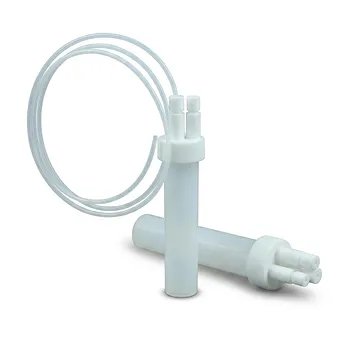
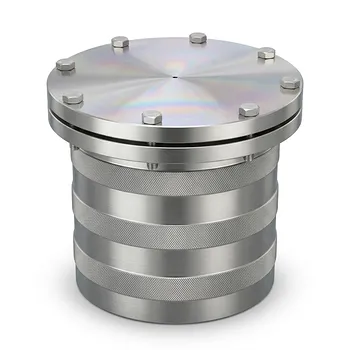
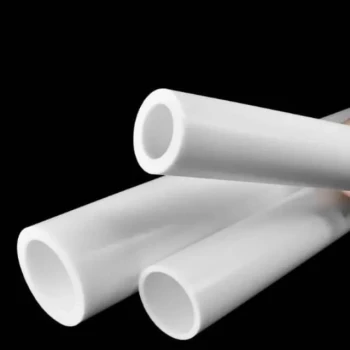
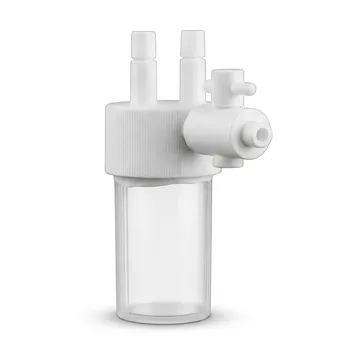
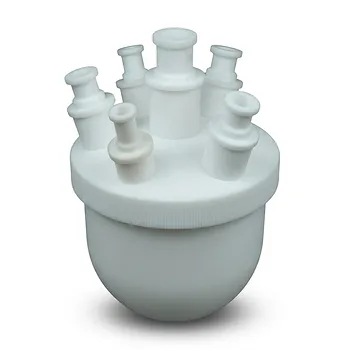
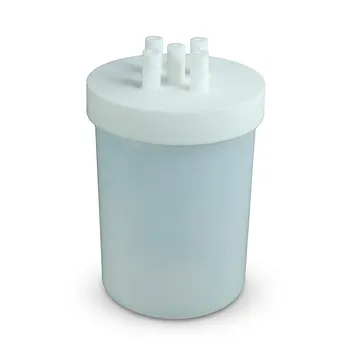
Corrosion-resistant PTFE or PFA liners are essential components in hydrothermal synthesis because they provide a chemically inert barrier between aggressive reaction media and the reactor’s metal body. The synthesis of hematite typically requires high-temperature, high-pressure environments containing strong acids like hydrochloric acid or concentrated bases. Without these fluoropolymer liners, the reaction solution would corrode the stainless steel reactor and leach metal ion impurities into the system, compromising the purity and structural integrity of the resulting hematite nanowires or crystals.
The Central Takeaway: PTFE and PFA liners serve a dual purpose: they protect the expensive stainless steel autoclave from irreversible chemical damage and ensure the chemical "cleanliness" of the synthesis by preventing unwanted metal ions from interfering with hematite growth.
Protecting Equipment from Chemical Attack
Resistance to Aggressive Reagents
The hydrothermal synthesis of hematite often utilizes strong mineral acids or alkaline solutions to facilitate crystal growth. These chemicals are highly reactive and would rapidly oxidize and corrode standard stainless steel reactor walls.
PTFE and PFA are chosen for their exceptional chemical inertness. They do not react with most acids, bases, or organic solvents, allowing the reactor to maintain its structural integrity over repeated uses.
Isolation Under High Pressure
Hydrothermal processes occur in sealed environments where temperatures frequently exceed the boiling point of the solvent, creating significant internal pressure. The liner acts as a physical gasket and barrier, isolating the pressurized media from the metal shell.
This isolation ensures that the stainless steel jacket provides the necessary mechanical strength without being weakened by the corrosive nature of the internal chemical environment.
Ensuring High-Purity Synthesis
Eliminating Metal Ion Contamination
Hematite synthesis, particularly when producing nanowires or doped components, is highly sensitive to external impurities. If the reaction media contacts the metal walls of the vessel, ions like iron, nickel, or chromium from the steel can leach into the solution.
These stray ions can act as unintentional dopants or initiate side reactions. Using a fluoropolymer liner ensures that the only ions present are those explicitly introduced by the researcher, maintaining the desired phase and morphology.
Non-Stick Properties and Yield
The surface of PTFE and PFA is inherently non-stick, which is critical when collecting synthesized nanopowders or single crystals. This property prevents the hematite from adhering to the vessel walls during the cooling and collection phase.
A smooth, inert interface allows for higher product recovery and simplifies the cleaning process. This ensures that no residual material from a previous experiment remains to contaminate future batches.
Understanding the Trade-offs and Limitations
Thermal Temperature Thresholds
While PTFE and PFA are robust, they have strict temperature limits, typically around 200°C to 250°C. Exceeding these temperatures can cause the liner to soften, deform, or even release toxic fluorinated vapors.
If a synthesis requires temperatures higher than the rating of the liner, the material may "creep" or lose its seal. This can lead to pressure leaks or the catastrophic failure of the internal vessel.
Mechanical Deformation Issues
Under extreme pressure, fluoropolymer liners can undergo cold flow, where the material slowly deforms under stress. This can make the liner difficult to remove from the stainless steel autoclave after the reaction has cooled.
Users must ensure the liner is properly sized for the reactor. An ill-fitting liner may collapse or rupture, exposing the metal shell to the corrosive precursors and defeating the purpose of the liner entirely.
Applying This to Your Synthesis Goals
Choosing the right liner material and maintenance protocol depends on your specific experimental requirements.
- If your primary focus is high-purity nanowire growth: Use high-purity PTFE liners to eliminate all potential metal ion interference from the reactor walls.
- If your primary focus is high-temperature stability (up to 250°C): Opt for PFA liners, which often provide slightly better thermal stability and transparency for visual inspection of the liner's condition.
- If your primary focus is long-term equipment safety: Regularly inspect liners for discoloration or deformation and replace them immediately if they show signs of thinning or "pitting."
By integrating these inert barriers, researchers can safely harness the extreme conditions necessary to produce high-quality, crystalline hematite.
Summary Table:
| Key Property | Benefit for Hematite Synthesis | Operating Limitation |
|---|---|---|
| Chemical Inertness | Protects stainless steel from aggressive acids/bases | Temperature limit: 200°C - 250°C |
| Ion Isolation | Prevents leaching of metal impurities (Ni, Cr, Fe) | Susceptible to "cold flow" deformation |
| Non-Stick Surface | Enhances product yield and simplifies cleaning | Requires precise sizing to prevent leaks |
Secure Your Synthesis Purity with KINTEK Fluoropolymer Solutions
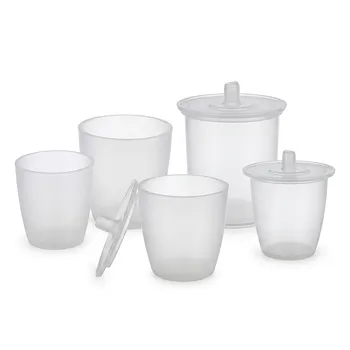
Protect your research and extend the life of your equipment with KINTEK’s high-performance PTFE and PFA laboratory supplies. Whether you require everyday basic labware—such as beakers, crucibles, and digestion tubes—or high-purity trace analysis instruments and cleaning tanks, we provide the ultimate barrier against chemical attack.
Our expertise covers everything from fluid transfer components (tubing, fittings, valves) and sample prep tools (filters, pipettes, spatulas) to advanced reaction apparatus including:
- Custom Electrochemical Cells & Battery Testing Fixtures
- Microwave Digestion Vessels & Hydrothermal Synthesis Liners
- Microchannel Reactors & Condensation Devices
Backed by end-to-end custom CNC fabrication, KINTEK is equipped to deliver absolutely everything from complex non-standard machined parts to high-volume orders, maintaining an exclusive focus on high-performance fluoropolymers.
Ensure absolute purity and safety in your lab—Contact KINTEK today for bespoke solutions tailored to your synthesis goals!
References
- Francisco Javier Fernández-Alonso, C. T. Sousa. Exploring the interplay of Ti-Sn co-doping in photoelectrochemical water splitting of hematite nanowires. DOI: 10.20517/energymater.2024.108
This article is also based on technical information from Kintek Knowledge Base .
Related Products
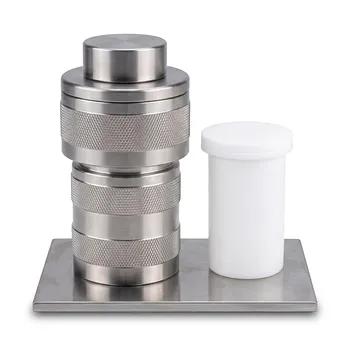
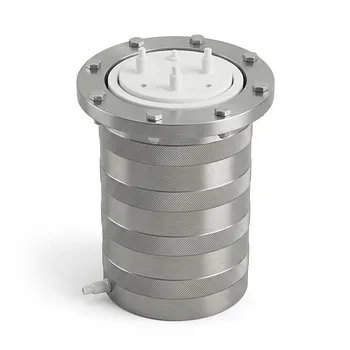
- PTFE Lined High Pressure Digestion Vessel 50ml High Temperature Hydrothermal Synthesis Tank
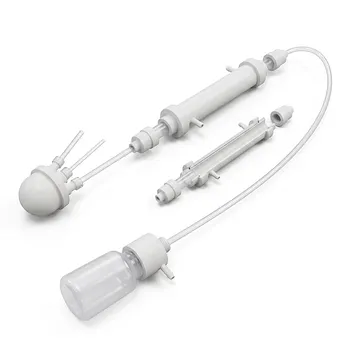
- High Temperature Corrosion Resistant PTFE Hydrogen Fluoride Condensation Reflux System with Separatory Funnel and PFA Collection Bottle
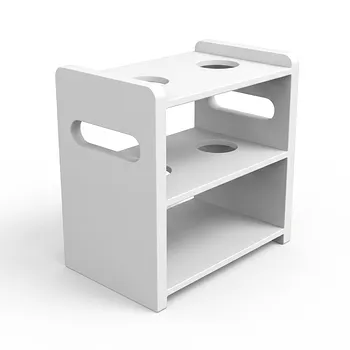
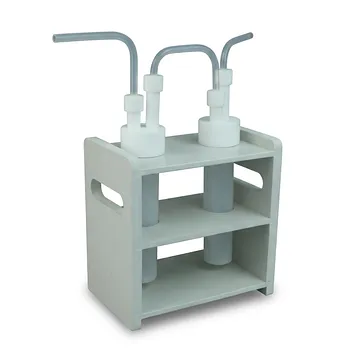
- Custom PTFE Acid Resistant Support Rack for PFA Hydrogen Absorption Systems Multi Hole Configurations
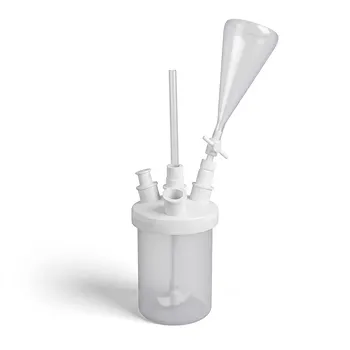
- Transparent Corrosion Resistant PFA Thermometer Sleeve and Customizable Hydrogen Fluoride Condensation Device
- Custom PTFE Acid Resistant Support Rack Multi Hole PFA Hydrogen Absorption System Bracket
People Also Ask
- What are the benefits of using a PTFE-lined vessel for carbon-sulfur cathode treatment? Maximize Purity & Performance
- Why are PTFE-lined pressure digestion vessels required for the preparation of Ag/CeO2 catalysts? Purity & Performance
- What safety features are typically incorporated into high-pressure PTFE digestion vessel designs? Ensure Lab Safety
- What is the function of PTFE lined high-pressure vessels in g-C3N4 synthesis? Achieve High-Purity Material Growth
- Role of High-Pressure Digestion Tanks in Perovskite Synthesis: Achieve Superior Stability and Latent Heat