In a hydrothermal synthesis environment with a pH of 1, corrosion-resistant liners like PTFE or PFA are essential because they prevent the rapid electrochemical corrosion of the metal reaction vessel. Without this inert barrier, the combination of high acidity and high oxygen levels would lead to significant metal ion leaching, which degrades the equipment and contaminates the synthesized product.
Core Takeaway: PTFE and PFA liners serve as a dual-purpose shield: they protect the structural integrity of the stainless steel autoclave from aggressive chemical attack while ensuring the high purity of the reaction by preventing trace metal contamination.
The Mechanics of Corrosion at pH 1
Preventing Electrochemical Attack
At a pH of 1, the concentration of hydrogen ions is extremely high, creating a highly aggressive environment for standard metal alloys.
When these acidic conditions are combined with the high oxygen levels typically found in hydrothermal processes, the metal surfaces of the reaction vessel become highly susceptible to electrochemical corrosion.
The Barrier Function of Fluoropolymers
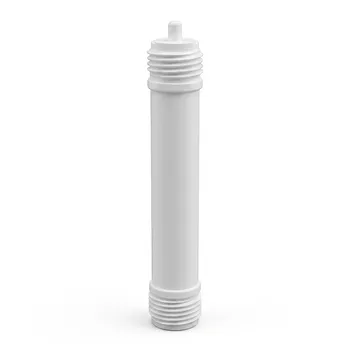
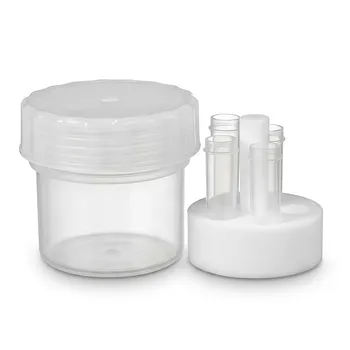
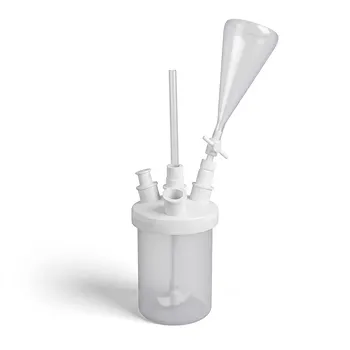
Materials like PTFE (Polytetrafluoroethylene) and PFA (Perfluoroalkoxy) are utilized because they are chemically inert to almost all acids, including the strong mineral acids often used in synthesis.
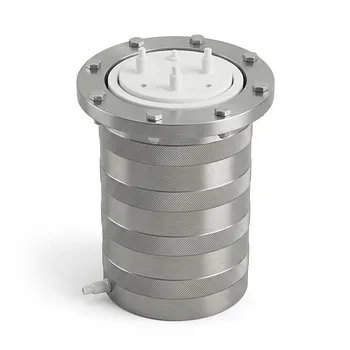
These liners create a physical and chemical seal that isolates the corrosive media from the metal autoclave walls, effectively neutralizing the risk of vessel failure.
Ensuring Chemical and Structural Purity
Eliminating Metal Ion Leaching
One of the most critical threats in nanomaterial synthesis is the introduction of unwanted metal ions (such as iron, chromium, or nickel) from the vessel walls.
Even trace amounts of these impurities can quench the fluorescence of Carbon Quantum Dots or alter the electrochemical performance of materials like Lithium Iron Phosphate.
Maintaining Crystal Integrity
For the growth of semiconductor photocatalysts or hematite nanowires, a "clean" reaction interface is required to ensure proper crystal morphology.
By using high-purity PFA or PTFE, researchers eliminate potential metal ion interference, ensuring that the resulting crystals or dopant components remain exactly as intended.
Operational Advantages and Equipment Longevity
Facilitating Sample Recovery
The non-stick properties inherent to fluoropolymers are vital for the complete recovery of synthesized powders or nanostructures.
Materials that would otherwise adhere to a metal surface can be easily removed from a PTFE or PFA surface, minimizing product loss and ensuring consistent yields.
Extending Equipment Service Life
Hydrothermal autoclaves are significant investments; constant exposure to pH 1 environments would lead to pitting and structural weakening of the metal.
Utilizing a liner absorbs the chemical "stress" of the reaction, significantly extending the service life of the outer pressure vessel and maintaining safety standards.
Understanding the Trade-offs
Temperature and Pressure Limitations
While fluoropolymer liners offer exceptional chemical resistance, they have defined thermal boundaries, typically failing or deforming above 250°C to 260°C.
At high temperatures and pressures, these liners can undergo "cold flow" or deformation, which may lead to seal failure if the vessel is not cooled correctly.
Permeability Concerns
Under extreme conditions, some small molecules or organic solvents can slowly permeate the liner wall over time.
This makes regular inspection of the space between the liner and the metal wall essential to prevent "hidden" corrosion from trapped moisture or acid vapors.
How to Apply This to Your Project
Making the Right Choice for Your Goal
Choosing the right liner material depends on the specific chemical precursors and thermal requirements of your synthesis.
- If your primary focus is extreme chemical purity (e.g., Quantum Dots): Use high-purity PFA liners, as they offer lower trace metal leaching and better transparency for visual inspection of cleaning.
- If your primary focus is general acidic synthesis at moderate temperatures: PTFE is the industry standard due to its excellent cost-to-performance ratio and universal chemical inertness.
- If your primary focus is reactions involving complex organic solvents: Ensure the liner is thick-walled and specifically rated for solvent resistance to prevent swelling or permeability issues.
In high-acidity hydrothermal synthesis, the liner is not merely an accessory but a critical component that defines both the safety of the laboratory and the success of the science.
Summary Table:
| Feature | Benefit for pH 1 Synthesis | Key Reason |
|---|---|---|
| Chemical Inertness | Prevents electrochemical corrosion | pH 1 creates a highly aggressive acidic environment for metals. |
| High-Purity PFA | Eliminates metal ion leaching | Protects sensitive materials like Quantum Dots from trace impurities. |
| Non-stick Surface | Facilitates sample recovery | Minimizes product loss and ensures high yields of nanostructures. |
| Barrier Function | Extends equipment life | Shields stainless steel autoclaves from pitting and structural failure. |
Elevate Your Synthesis Purity with KINTEK’s Fluoropolymer Solutions
Protect your research and your equipment from aggressive chemical attacks. KINTEK specializes in high-performance fluoropolymer manufacturing, offering an extensive range of PTFE and PFA products designed for the most demanding laboratory environments.
From essential labware like beakers, reagent bottles, and digestion tubes to advanced hydrothermal synthesis liners, microwave digestion vessels, and custom electrochemical cells, we provide the inert barriers necessary for success at pH 1 and beyond. Whether you need high-volume consumables (stirring bars, O-rings, seal tapes) or complex, bespoke CNC-machined components and fluid transfer systems, KINTEK delivers end-to-end precision and absolute material purity.
Ready to safeguard your hydrothermal processes?
Contact our experts today for custom or standard laboratory solutions.
References
- Meiying Xu, Fangming Jin. Oxygen-promoted low-temperature hydrothermal conversion of Chinese medicinal herbal residues into humic acids. DOI: 10.1007/s43979-025-00127-w
This article is also based on technical information from Kintek Knowledge Base .
Related Products
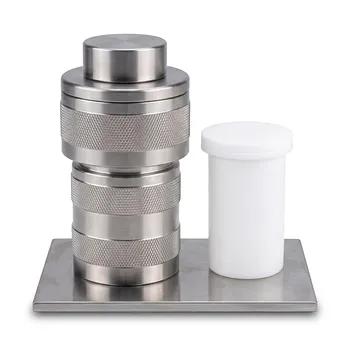
- PTFE Lined High Pressure Digestion Vessel 50ml High Temperature Hydrothermal Synthesis Tank
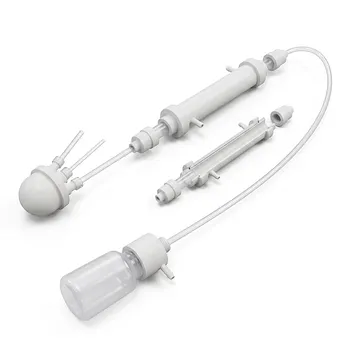
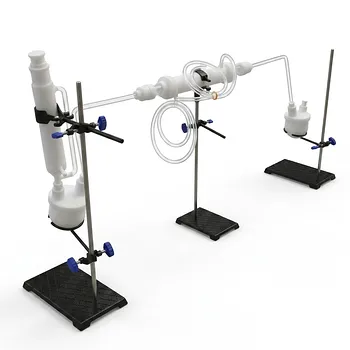
- High Temperature Corrosion Resistant PTFE Hydrogen Fluoride Condensation Reflux System with Separatory Funnel and PFA Collection Bottle
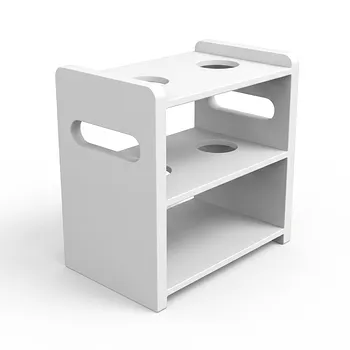
- Custom PTFE Acid Resistant Support Rack for PFA Hydrogen Absorption Systems Multi Hole Configurations
- PTFE PFA Vacuum Filtration System Corrosion Resistant Customizable Shatterproof Laboratory Device
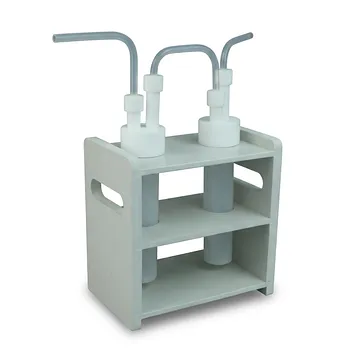
- Custom PTFE Acid Resistant Support Rack Multi Hole PFA Hydrogen Absorption System Bracket
People Also Ask
- What are the benefits of using a PTFE-lined vessel for carbon-sulfur cathode treatment? Maximize Purity & Performance
- Why are PTFE-lined pressure digestion vessels required for the preparation of Ag/CeO2 catalysts? Purity & Performance
- What is the function of high-pressure PTFE digestion vessels in mineral analysis? Optimize Sample Mineralization
- What safety features are typically incorporated into high-pressure PTFE digestion vessel designs? Ensure Lab Safety
- What is the function of PTFE lined high-pressure vessels in g-C3N4 synthesis? Achieve High-Purity Material Growth