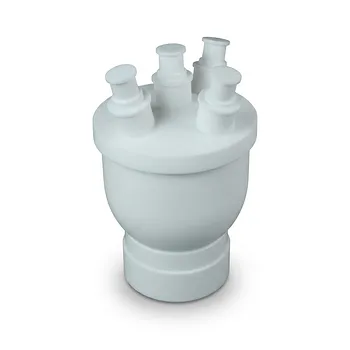
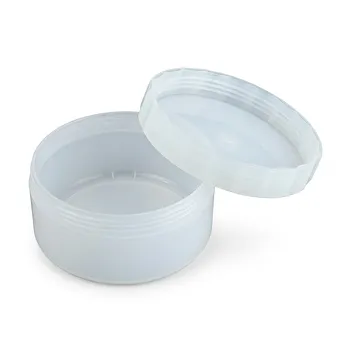
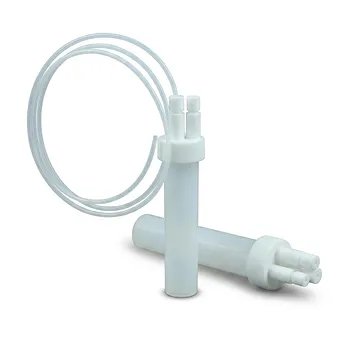
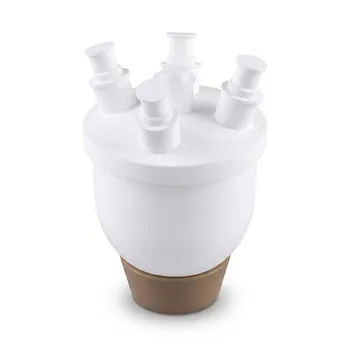
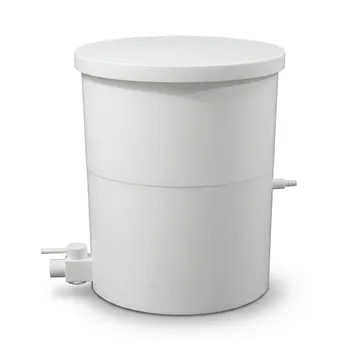
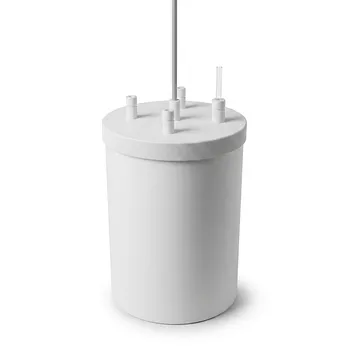
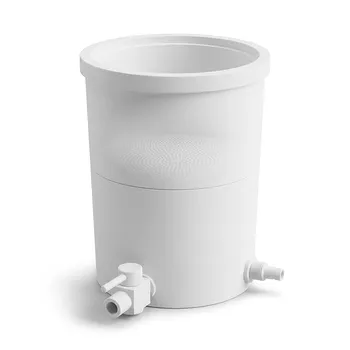
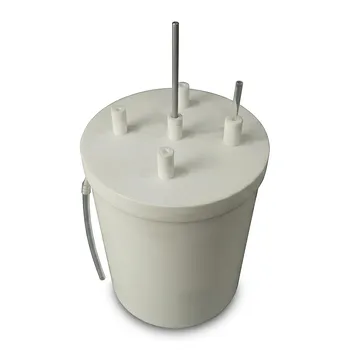
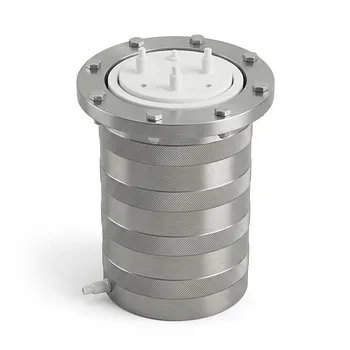
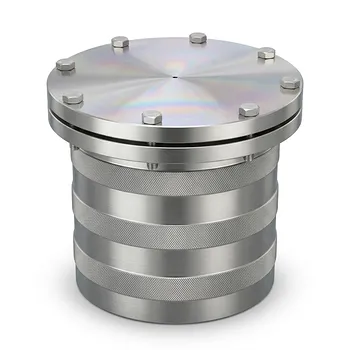
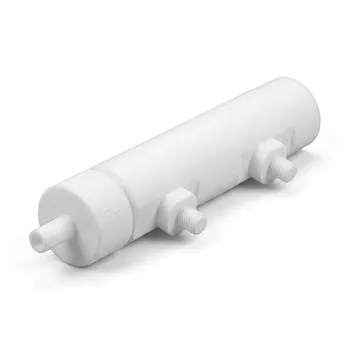
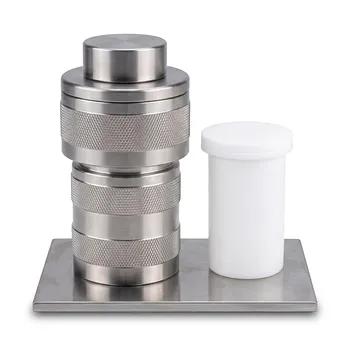
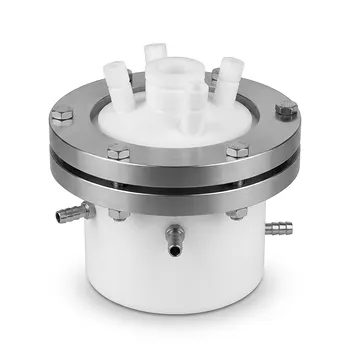
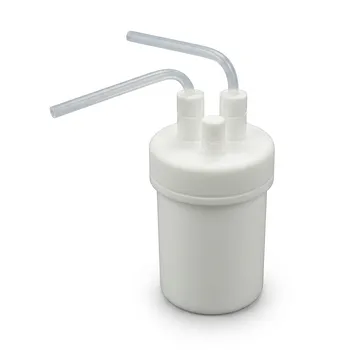
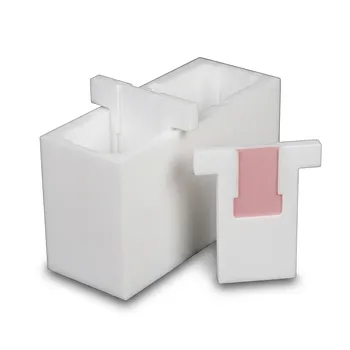
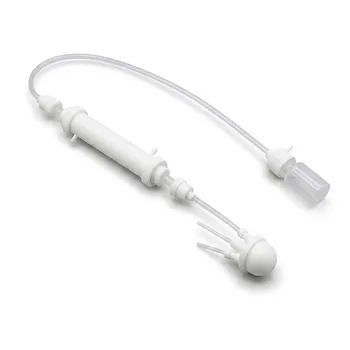
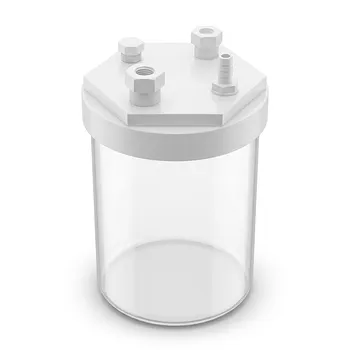
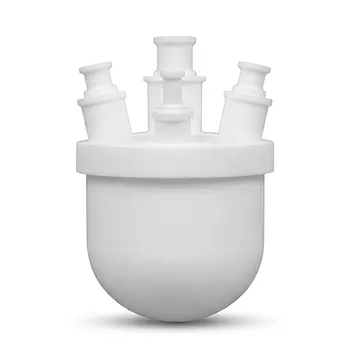
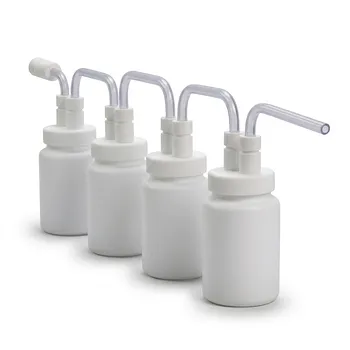
Lignin esterification using acyl chloride generates significant amounts of hydrogen chloride (HCl) as a byproduct, which is highly corrosive to standard metallic reactor vessels. Fluoropolymer-lined reactors, such as those made from PFA (perfluoroalkoxy) or PTFE (polytetrafluoroethylene), are preferred because they provide near-total chemical inertness, protecting the equipment from acid erosion and preventing the leaching of metal ions that would otherwise discolor the lignin and compromise its chemical purity.
Core Takeaway: Fluoropolymer liners act as a critical barrier between aggressive acidic byproducts and the reactor's structural body. This prevents equipment degradation and ensures the production of high-purity, color-stable lignin by eliminating metal ion contamination and minimizing material loss due to surface adsorption.
Managing Aggressive Chemical Environments
Neutralizing the Corrosivity of Hydrogen Chloride
The reaction between lignin and acyl chloride inherently produces hydrogen chloride (HCl). In the presence of moisture or certain solvents, this byproduct becomes extremely aggressive toward stainless steel and other alloys.
PFA and PTFE liners are utilized because they are virtually unaffected by strong acids. This chemical resistance ensures the structural integrity of the vessel remains intact throughout the esterification process.
Solvent Compatibility and Stability
Lignin esterification often requires strong polar solvents like pyridine or dimethylformamide (DMF). These solvents can sometimes degrade or swell lesser plastics and polymers.
High-performance fluoropolymers maintain their mechanical properties and chemical resistance when exposed to these solvents. This stability prevents the liner from warping or failing during long-term or high-temperature operations.
Safeguarding Product Quality and Integrity
Preventing Discoloration and Metal Contamination
A primary concern in lignin modification is the introduction of metal ions (such as iron or nickel) from the reactor walls. These ions can catalyze unwanted side reactions or directly darken the lignin’s color, reducing its value for high-end applications.
Because fluoropolymers do not contain metallic components, they eliminate the risk of ion leaching. This ensures that the final esterified lignin maintains its intended aesthetic and chemical characteristics.
Minimizing Surface Adsorption and Material Loss
Lignin macromolecules have a tendency to adhere to many surfaces, leading to "fouling" and material loss. PTFE and PFA possess extremely low surface energy, which prevents lignin from sticking to the vessel walls.
This non-stick property facilitates easier cleaning and ensures higher yields. It also contributes to experimental reproducibility by ensuring that the concentration of the reaction mixture remains consistent and is not altered by wall-clinging residues.
Understanding the Trade-offs
Thermal and Pressure Constraints
While fluoropolymer liners offer superior chemical resistance, they serve as thermal insulators. This means that heat transfer is slower compared to direct metal-to-liquid contact, potentially lengthening the time required to reach reaction temperatures.
Additionally, while the outer metal shell provides the necessary pressure resistance, the liner itself has a maximum operating temperature (typically around 260°C). Exceeding these limits can cause the liner to soften or lose its seal.
Initial Cost vs. Operational Lifespan
The initial investment for a PFA or PTFE-lined reactor is often higher than a standard glass or untreated steel vessel. However, the operational lifespan is significantly extended because the liner prevents the irreversible pitting and corrosion caused by HCl.
Choosing a lined vessel is a strategic decision to reduce long-term costs associated with equipment replacement and failed batches due to impurity interference.
How to Apply This to Your Project
Making the Right Choice for Your Goal
- If your primary focus is high-purity lignin for materials science: Utilize PFA-lined reactors to ensure zero metal ion contamination and maintain the most stable color profiles.
- If your primary focus is cost-effective scale-up of standard esterification: PTFE liners provide the best balance of chemical resistance and affordability for high-volume acid handling.
- If your primary focus is kinetic accuracy and reproducibility: Opt for fluoropolymer-lined vessels to minimize lignin adsorption to walls, ensuring that your stoichiometric calculations remain precise.
By selecting the appropriate fluoropolymer liner, you protect your equipment assets while ensuring the chemical and aesthetic integrity of your modified lignin products.
Summary Table:
| Feature | Benefit | Why It Matters |
|---|---|---|
| Chemical Inertness | Total Acid Resistance | Withstands corrosive HCl byproducts generated during reaction |
| Non-Metallic | Zero Ion Leaching | Prevents lignin discoloration and maintains chemical purity |
| Low Surface Energy | Non-Stick Surface | Minimizes fouling/material loss and ensures reproducibility |
| Solvent Stability | High Durability | Remains stable in aggressive solvents like DMF or Pyridine |
Master Your Corrosive Chemistry with KINTEK Fluoropolymer Solutions
Protect your equipment and ensure the highest purity for your research with KINTEK. We maintain an absolute focus on high-performance fluoropolymers, providing the chemical inertness required for aggressive reactions like lignin esterification.
From everyday basic labware (beakers, measuring cylinders, and reagent bottles) to advanced reaction apparatus (custom PFA-lined reactors, electrochemical cells, and microwave digestion vessels), KINTEK manufactures virtually all imaginable laboratory supplies. Backed by end-to-end custom CNC fabrication, we deliver everything from high-volume consumables to complex, non-standard machined parts tailored to your specific lab setup.
Ready to eliminate corrosion and contamination? Contact our experts today to discuss your custom requirements!
References
- Celeste Libretti, Michaël A. R. Meier. From waste to resource: advancements in sustainable lignin modification. DOI: 10.1039/d4gc00745j
This article is also based on technical information from Kintek Knowledge Base .
Related Products
- Customizable Polytetrafluoroethylene PTFE Reactor and Corrosion Resistant Teflon Flask
- Corrosion Resistant PFA Reaction Tank High Purity Laboratory Reaction Bottle Wide Mouth PTFE Jar Multiple Specifications
- Custom PFA Reaction Bottles High Purity PTFE Reaction Vessels Corrosion Resistant Petrochemical Containers
- High Performance Customizable PTFE Reaction Vessel and Corrosion Resistant Polytetrafluoroethylene Flask for Chemical Laboratory Use
- Large Scale PTFE Double Layer Reaction Tank with Integrated Filter Plate High Purity Polytetrafluoroethylene Chemical Vessel 25L
People Also Ask
- Why are PP or PTFE reactors preferred over glass in tribocatalysis? Maximize Charge Separation & Catalytic Efficiency
- What functional advantages do PTFE reactors provide over glass? Achieve Superior Purity and Safety in Synthesis
- What are the primary fabrication methods for capillary-based and monolithic PTFE reactors? Expert Production Insights
- Why are PTFE or PFA reaction vessels required for the selective etching process of MXene using hydrofluoric acid (HF)?
- Why is a Teflon-lined (PTFE) reactor vessel required for the hydrothermal synthesis of V2O5 and SnO2 nanomaterials?