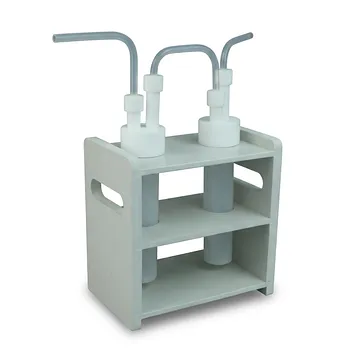
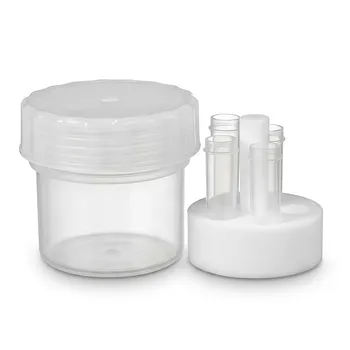
PTFE’s performance in laboratory connectors is driven by its unique molecular stability. Its effectiveness is defined by extreme chemical inertness, a vast thermal range (-268°C to +260°C), and a remarkably low coefficient of friction (0.05–0.10). These properties collectively ensure that connectors remain non-reactive, provide leak-proof seals in extreme environments, and prevent sample contamination.
PTFE serves as the gold standard for laboratory fluid handling because it combines near-total chemical resistance with a non-stick surface, ensuring both the integrity of sensitive samples and the mechanical reliability of the connection.
Maintaining Sample Purity and Integrity
Exceptional Chemical Inertness
PTFE is arguably the most chemically resistant plastic known, remaining unaffected by almost all acids, bases, and organic solvents. This prevents the connector from leaching materials into the fluid stream or degrading when exposed to harsh reagents.
Hydrophobicity and Non-Stick Surfaces
The material’s low surface energy prevents substances from adhering to the connector walls. This "non-stick" quality is vital for preventing cross-contamination between different experimental runs and ensuring easy cleaning.
Biological Inertness and Safety
PTFE is naturally non-toxic and meets FDA standards, making it suitable for pharmaceutical and food-grade laboratory applications. Its biological inertness ensures that sensitive biological samples do not react with the connector hardware.
Performance Across Environmental Extremes
Broad Operational Temperature Range
PTFE maintains its physical properties from cryogenic levels (-268°C) to high-heat environments (+260°C). This stability allows the same connector design to be used in liquid nitrogen applications and high-temperature distillation units.
Dielectric and Insulating Properties
With a low dielectric constant (~2.1) and high volume resistivity, PTFE provides excellent electrical insulation. This is critical for laboratory connectors used in analytical equipment where electrical interference must be minimized.
Mechanical Pliability for Sealing
As a relatively soft and pliable material, PTFE can conform to slight irregularities in mating surfaces. This makes it an exceptional material for flange gaskets and seals, ensuring a gas-tight fit without requiring extreme torque.
Optimized Flow and Maintenance
Minimized Flow Resistance
The very low coefficient of friction (0.05–0.10) reduces turbulence and resistance within the connector. This ensures a consistent flow rate, which is essential for precision dosing and sensitive hydraulic balances.
Weatherability and Longevity
PTFE exhibits excellent weatherability and resistance to UV degradation. In a laboratory setting, this means the connectors will not become brittle or lose their structural integrity over years of exposure to ambient light or ozone.
High Tensile Elongation
With a tensile elongation of 300% to 500%, PTFE can withstand significant stretching before failure. This allows connectors to absorb some mechanical shock and vibration without immediate cracking or catastrophic leakage.
Understanding Technical Trade-offs
Susceptibility to "Cold Flow"
The primary limitation of PTFE is creep, or "cold flow," where the material slowly deforms under a constant heavy load. In high-pressure connector applications, this may require the use of reinforcing shrouds or periodic retightening of joints.
Lower Structural Strength
Compared to engineering plastics like PEEK or stainless steel, PTFE has a relatively low tensile strength (3,000–5,000 psi). It is often used as a liner or a sealing component rather than the primary structural housing in very high-pressure systems.
Thermal Expansion Rates
PTFE has a high coefficient of thermal expansion. In systems that undergo rapid, extreme temperature cycling, the material may expand or contract at a different rate than metal housings, potentially affecting seal tightness.
Selecting PTFE for Your Laboratory Application
When integrating PTFE connectors into your workflow, consider the specific demands of your environment to maximize performance.
- If your primary focus is Chemical Purity: Use pure, virgin PTFE connectors to ensure zero leaching and maximum resistance to aggressive reagents.
- If your primary focus is Extreme Temperature Cycling: Ensure the connector design accounts for thermal expansion to prevent leaks during transitions from cryogenic to ambient states.
- If your primary focus is High-Pressure Fluidics: Opt for PTFE-lined stainless steel connectors to combine PTFE’s chemical resistance with the structural strength of metal.
PTFE remains the definitive choice for laboratory connectors where chemical neutrality and thermal versatility are the non-negotiable requirements for success.
Summary Table:
| PTFE Property | Impact on Laboratory Connectors | Typical Value/Range |
|---|---|---|
| Chemical Inertness | Prevents leaching and degradation from acids/solvents | Near-total resistance |
| Thermal Stability | Maintains integrity in cryogenic and high-heat environments | -268°C to +260°C |
| Friction Coefficient | Minimizes flow resistance and prevents sample adhesion | 0.05–0.10 |
| Mechanical Pliability | Ensures gas-tight, leak-proof seals on mating surfaces | 300%–500% Elongation |
| Dielectric Constant | Provides electrical insulation for analytical equipment | ~2.1 |
Elevate Your Laboratory Performance with KINTEK
Ensure the integrity of your sensitive samples and the reliability of your fluid systems with KINTEK’s high-performance fluoropolymer solutions. From everyday basic labware like beakers, crucibles, and reagent bottles to comprehensive fluid transfer components such as tubing, fittings, and valves, we specialize in high-performance PTFE and PFA materials designed for the most demanding environments.
Whether you need standard consumables or advanced reaction apparatus like custom electrochemical cells and microwave digestion vessels, KINTEK offers end-to-end custom CNC fabrication to meet your exact specifications. From complex non-standard machined parts to high-volume orders, we are your partner for absolute purity and performance.
Ready to optimize your lab setup? Contact us today to discuss your custom requirements!
Related Products
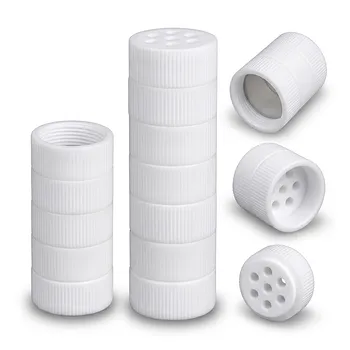
- Corrosion Resistant PTFE Multi Layer Sieve with Threaded Connections for Bio Chemical Laboratory Extraction and Customizable Mesh Size
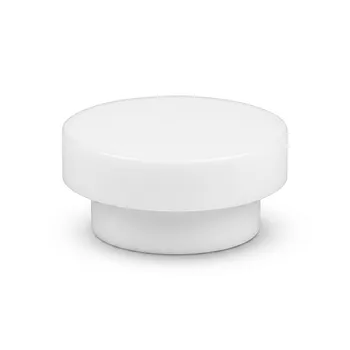
- High Temperature Resistant PTFE White Screw Plugs Custom T Shaped Sealing Hole Stoppers Waterproof Dustproof Chemical Inert Laboratory Fasteners
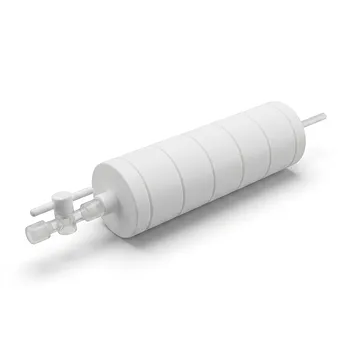
- PTFE Corrosion Resistant Filter with PFA Valve Connections and Integrated Sieve Plate
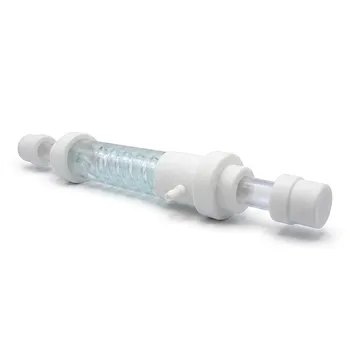
- Custom PTFE Condenser Tube 100ml Serpentine and Straight Fluoropolymer Laboratory Heat Exchanger with Flask Adapters
- High Purity PTFE Filter with PFA Valve Connections and Integrated Sieve Plate for Corrosive Fluid Processing
People Also Ask
- Which chemicals are fully compatible with PTFE filters? Discover Unmatched Chemical Resistance
- What temperature resistance do PTFE filters offer? Unmatched Thermal Stability from -200°C to +260°C
- How does the hydrophobicity of PTFE filters benefit their use? Ensure Uninterrupted Gas Flow and Solvent Filtration
- What steps are involved in selecting the proper PTFE filter? A 4-Step Guide to Optimal Filtration
- What sizes and pore options are available for PTFE filters? Choose the Right Filter for Your Application