In hydrothermal synthesis, the reactor components must simultaneously provide physical containment and chemical isolation to ensure reaction success.
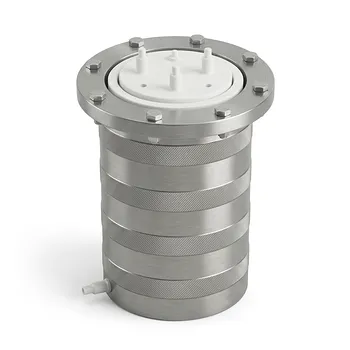
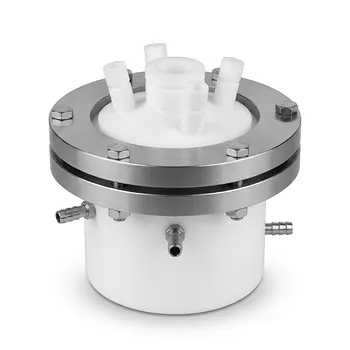
The stainless steel shell functions as the structural pressure vessel, providing the mechanical strength required to withstand high autogenous pressures generated at elevated temperatures, typically around 200°C. The PTFE (polytetrafluoroethylene) liner acts as a chemically inert barrier, protecting the steel from corrosive precursors like zirconium oxychloride and preventing metal ion contamination to ensure the purity and morphological integrity of the ZrO2-coated MWCNTs.
Core Takeaway: The hydrothermal reactor utilizes a dual-containment strategy where the steel shell manages the physical stress of high-pressure environments, while the PTFE liner maintains a pristine, non-reactive space essential for high-purity nanomaterial growth.
The Role of the Stainless Steel Shell
Mechanical Strength and Pressure Containment
In hydrothermal reactions, temperatures often reach or exceed 200°C, causing internal fluids to generate significant autogenous pressure. The stainless steel shell is engineered to provide the necessary mechanical integrity to contain this pressure without deforming or rupturing.
Safety and Structural Stability
Beyond mere containment, the steel vessel ensures a controlled environment for the duration of the synthesis process. This structural stability is vital for maintaining the safety of the laboratory environment while the internal chemistry reaches supersaturation levels required for coating the MWCNTs.
The Role of the PTFE Liner
Chemical Inertness and Corrosion Resistance
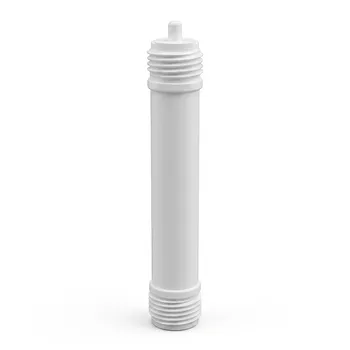
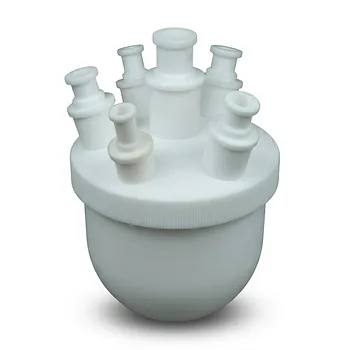
The PTFE liner serves as the primary interface for the reaction mixture, offering exceptional resistance to corrosive precursors such as zirconium oxychloride. This chemical barrier prevents the reaction solution from attacking the metal walls, which would otherwise lead to vessel degradation.
Preventing Metal Ion Contamination
By isolating the reactants from the steel shell, the liner prevents iron, chromium, or nickel ions from leaching into the solution. This isolation is critical for the synthesis of high-purity ZrO2 coatings, as metallic impurities can disrupt the crystal structure and properties of the final nanomaterial.
Facilitating Uniform Coating and Nucleation
A clean, non-adhesive PTFE surface ensures that the nucleation process occurs specifically on the surface of the MWCNTs rather than on the reactor walls. This controlled environment promotes morphological uniformity, allowing the zirconium dioxide to form a consistent layer around the nanotubes.
Understanding the Trade-offs and Limitations
Thermal Constraints of PTFE
While PTFE is highly inert, it has a distinct thermal ceiling, typically around 250°C, above which it begins to soften or decompose. For reactions requiring higher temperatures, researchers must often transition to more expensive materials like PFA or specialized metallic alloys.
Differential Thermal Expansion
The steel shell and the PTFE liner expand at different rates when heated, which can cause the liner to deform or "creep" over multiple cycles. This necessitates careful monitoring of the liner’s physical condition to prevent leaks that could expose the steel shell to corrosive fluids.
Pressure Sealing Dynamics
The liner is not just a cup; it is part of a sealed system that must maintain an airtight fit under pressure. If the liner is improperly seated or if the seal fails, the resulting "blow-by" can damage the steel threads and compromise the entire autoclave.
Applying This to Your Synthesis Goals
To achieve the best results when coating MWCNTs with ZrO2, your operational choices should align with your specific material requirements.
- If your primary focus is Maximum Purity: Always inspect the PTFE liner for any signs of discoloration or pitting, as these can harbor contaminants from previous synthesis runs.
- If your primary focus is High-Pressure Safety: Ensure the stainless steel threads are lubricated and the outer shell is free of cracks, as the shell is the only component preventing a high-pressure failure.
- If your primary focus is Uniform Morphology: Maintain precise temperature control to ensure the autogenous pressure remains stable, allowing the ZrO2 to precipitate evenly onto the MWCNT scaffolds.
Understanding the synergy between structural containment and chemical isolation is the key to mastering the hydrothermal synthesis of complex nanostructures.
Summary Table:
| Component | Primary Function | Key Benefit in ZrO2 Synthesis | Thermal Constraint |
|---|---|---|---|
| Stainless Steel Shell | Mechanical Strength | Containment of high autogenous pressure | Vessel structural stability |
| PTFE Liner | Chemical Isolation | Prevents metal ion leaching & corrosion | Max ~250°C |
| Synergy | Dual-Containment | Enables high-purity, uniform nanoparticle coating | Material-specific limits |
Elevate Your Research with High-Performance Fluoropolymer Labware
To achieve superior uniformity in your hydrothermal synthesis, you need the absolute reliability of KINTEK’s high-performance fluoropolymer materials. Whether you are coating MWCNTs or developing complex nanostructures, our PTFE and PFA liners ensure an inert, contaminant-free environment for every reaction.
Why Choose KINTEK?
- Comprehensive Range: From everyday basic labware (beakers, crucibles, reagent bottles) to advanced reaction apparatus like hydrothermal synthesis liners, microwave digestion vessels, and electrochemical cells.
- Custom Fabrication: We provide end-to-end custom CNC fabrication, delivering everything from complex non-standard machined parts to high-volume orders tailored to your specific research needs.
- Unmatched Purity: Our focus on high-performance fluoropolymers (PTFE/PFA) ensures zero metal ion contamination and maximum chemical resistance for your most sensitive applications.
From fluid transfer components to precision-machined laboratory setups, KINTEK provides the tools you need for consistent, high-purity results.
Contact KINTEK today to request a quote or custom consultation!
References
- K. Suhas, Pavan Swamy Hiremath. Multi objective optimization of AWJM parameters for ZrO2 coated MWCNTs reinforced HDPE nanocomposites using Taguchi Grey relational analysis. DOI: 10.1038/s41598-025-28887-6
This article is also based on technical information from Kintek Knowledge Base .
Related Products
- PTFE Lined High Pressure Digestion Vessel 50ml High Temperature Hydrothermal Synthesis Tank
- High Pressure Custom TFM Reactor Stainless Steel Outer Vessel PTFE Inner Cup for Corrosive Synthesis
- Custom TFM Reaction Vessel with Stainless Steel Jacket and PTFE Inner Cup for High Corrosion Resistance
- High Purity PTFE Microwave Digestion Vessel for Soil and Food Analysis Acid Resistant Fluoropolymer Sample Preparation Liners
- High Purity TFM Microwave Digestion Vessels PTFE Acid Evaporation Liners Domestic GT-400 Equivalent Laboratory Reaction Containers
People Also Ask
- What are the benefits of using a PTFE-lined vessel for carbon-sulfur cathode treatment? Maximize Purity & Performance
- Why are PTFE-lined pressure digestion vessels required for the preparation of Ag/CeO2 catalysts? Purity & Performance
- What is the function of high-pressure PTFE digestion vessels in mineral analysis? Optimize Sample Mineralization
- What safety features are typically incorporated into high-pressure PTFE digestion vessel designs? Ensure Lab Safety
- What is the function of PTFE lined high-pressure vessels in g-C3N4 synthesis? Achieve High-Purity Material Growth