The synthesis of halogen-doped catalyst precursors requires high-pressure hydrothermal reactors to create a high-energy, sealed environment that significantly enhances solvent solubility and molecular diffusion. Within this system, fluoropolymer liners (such as PTFE or PFA) act as a critical chemical barrier, protecting the reactor's metal walls from corrosion and preventing metal ion contamination to ensure the precursor's purity and specific morphology.
High-pressure reactors provide the thermodynamic conditions necessary for the precise coordination and self-assembly of metal-halogen structures, while fluoropolymer liners serve as a chemically inert shield that preserves the catalytic integrity of the final product.
The Role of the Reactor: Driving Molecular Assembly
Enhancing Solubility and Diffusion Rates
High-pressure hydrothermal reactors create a sealed environment where solvents can reach subcritical or supercritical states. This state significantly increases the solubility of reactants and the diffusion rates of molecules, which is essential for the coordination and nucleation of metal ions and halogen atoms.
Facilitating Structural Self-Assembly
The high-temperature and high-pressure environment is vital for the self-assembly of metal-organic frameworks (MOFs) and other complex structures. These conditions allow precursors to form specific morphologies, such as hollow rod-shaped structures or hierarchical porous materials, which dictate the distribution of active sites in the final catalyst.
Promoting Crystal Nucleation and Growth
By maintaining constant pressure and temperature, the reactor allows for the growth of crystals with precise chemical stoichiometry and superior crystallinity. This is particularly important for photocatalysts and nanostructures, where the electronic hinge structures (like Ga-O-C) must be stable to ensure efficient charge transfer.
The Role of Fluoropolymer Liners: Ensuring Purity and Protection
Chemical Resistance in Aggressive Media
Halogen-doping often involves strong acidic or alkaline environments that would rapidly corrode standard stainless steel reactor walls. Fluoropolymer liners, specifically those made from PTFE or PFA, are chosen for their exceptional chemical inertness and ability to withstand these aggressive polar solvents at temperatures often exceeding 120°C.
Prevention of Metal Ion Contamination
If the reaction media contacts the metal walls of the autoclave, it can leach iron, nickel, or chromium ions into the solution. The liner acts as a high-purity barrier, ensuring that the resulting single-atom catalysts or doped precursors remain free from unwanted metallic impurities that could poison the catalyst.
Improving Product Recovery and Consistency
The non-stick surface of fluoropolymers minimizes the adhesion of synthesized particles to the vessel walls. This property significantly improves the recovery rate of the target product and ensures that the nanostructures grow in situ as intended, rather than forming irregular deposits on the container.
Understanding the Trade-offs
Temperature and Pressure Limitations
While fluoropolymers like PTFE offer excellent chemical resistance, they have strict thermal limits, typically losing structural integrity above 250°C. Exceeding these limits can lead to liner deformation or the release of trace contaminants, potentially compromising the experiment.
Thermal Expansion and Sealing
Fluoropolymers have different thermal expansion coefficients compared to the metal autoclaves that house them. If the heating or cooling process is too rapid, the liner may warp or fail to maintain a perfect seal, leading to pressure leaks or the "creeping" of corrosive vapors between the liner and the metal wall.
How to Apply This to Your Project
Recommendations for Catalyst Synthesis
- If your primary focus is Single-Atom Catalyst (SAC) purity: Use high-purity PFA liners to ensure zero metal leaching from the reactor housing, as even trace impurities can occupy active sites.
- If your primary focus is morphology control (e.g., MOFs): Ensure your hydrothermal reactor is equipped with precise temperature controllers to maintain the stable pressure required for ordered self-assembly.
- If your primary focus is maximizing product yield: Opt for PTFE liners with a high-polish internal finish to reduce material adhesion and simplify the recovery of micron-sized particles.
- If your primary focus is aggressive halogenation: Regularly inspect liners for "clouding" or pitting, which indicates the fluoropolymer is reaching its chemical or thermal fatigue limit.
By balancing the energetic environment of the reactor with the chemical isolation of the liner, you can achieve the precise atomic doping required for high-performance catalysts.
Summary Table:
| Component | Primary Function | Key Benefits for Catalyst Precursors |
|---|---|---|
| Hydrothermal Reactor | Environment Control | Drives molecular assembly, increases solubility, and promotes precise crystal nucleation. |
| Fluoropolymer Liner | Chemical Barrier | Prevents metal ion contamination, resists aggressive halogens, and ensures high product recovery. |
| Synergy | Purity & Morphology | Provides the thermodynamic energy needed for synthesis while maintaining an inert, high-purity environment. |
Elevate Your Catalyst Research with KINTEK’s Fluoropolymer Expertise
Achieve uncompromising purity and precise morphology in your synthesis with KINTEK’s high-performance laboratory solutions. We specialize in the absolute focus on high-performance fluoropolymer materials, offering everything from everyday basic labware (beakers, crucibles, reagent bottles, and digestion tubes) to high-purity trace analysis instruments and cleaning tanks.
Our extensive range includes:
- Fluid Transfer & Sample Prep: Tubing, fittings, valves, filters, pipettes, and spatulas.
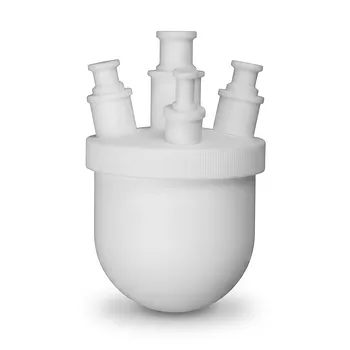
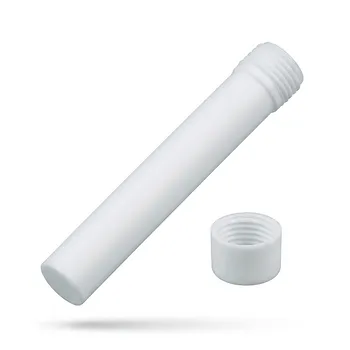
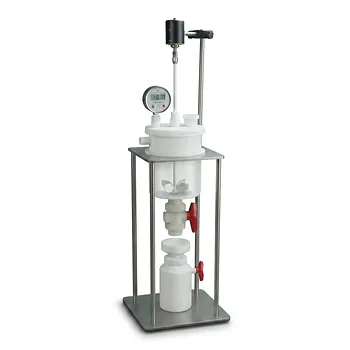
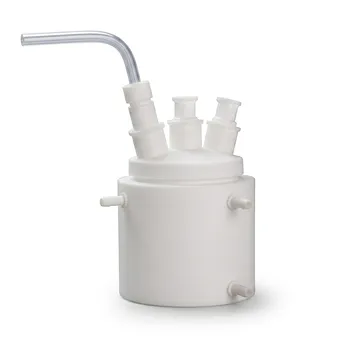
- Reaction Apparatus: PTFE and PFA hydrothermal synthesis liners, microwave digestion vessels, and custom electrochemical cells.
- General Consumables: Stirring bars, O-rings, gaskets, and specialized septa.
Whether you require high-volume standard orders or complex non-standard machined parts via our end-to-end custom CNC fabrication, KINTEK is equipped to deliver bespoke laboratory setups tailored to your specific research needs.
Ready to optimize your lab’s performance? Contact us today to discuss your custom requirements!
References
- Shichang Cai, Jiabin Wu. Recent Progress in Halogen‐Doped Single‐Atom Catalysts for Electrochemical Reactions. DOI: 10.1002/cnl2.193
This article is also based on technical information from Kintek Knowledge Base .
Related Products
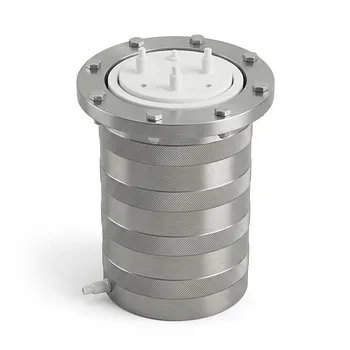
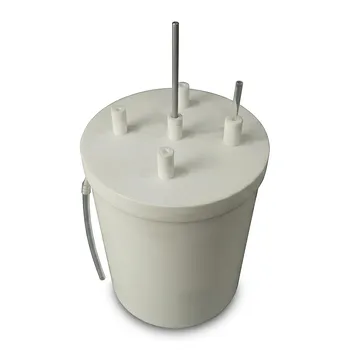
- High Pressure Custom TFM Reactor Stainless Steel Outer Vessel PTFE Inner Cup for Corrosive Synthesis
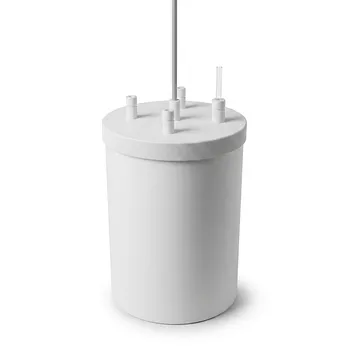
- Custom TFM Reaction Vessel with Stainless Steel Jacket and PTFE Inner Cup for High Corrosion Resistance
- High Temperature Corrosion Resistant Hydrothermal Synthesis Reactor with TFM Inner Liner and Straight Cylinder Design
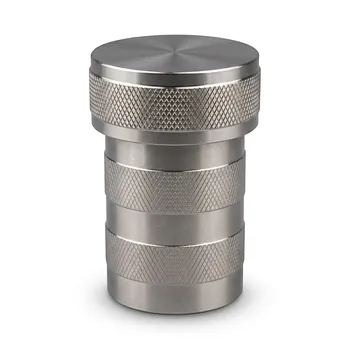
- PTFE Lined High Pressure Digestion Vessel 50ml High Temperature Hydrothermal Synthesis Tank
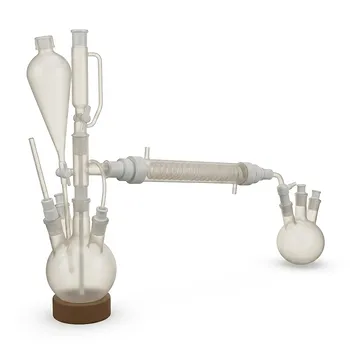
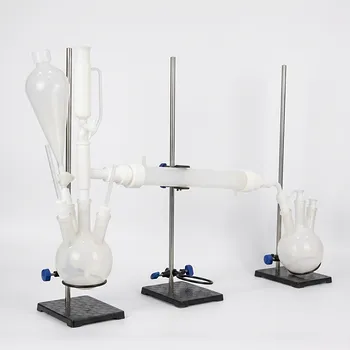
- PTFE Distillation Condensation Apparatus High Temperature Hydrofluoric Acid Resistant Fluorination Reaction Flask
People Also Ask
- Why is a PTFE-lined reactor required for Mn2O3 synthesis? Achieve High Purity & Corrosion Resistance
- What is the technical value of 180 bar pressure for MgO nanostructures? Unlock Superior Crystallinity and Morphology
- How does the regulation of initial pressure within a high-pressure reaction system affect the production of MIL-100(Fe)?
- What is the function of a high-pressure reactor in ZnWO4/BiOBr synthesis? Optimize Morphology and Heterojunctions
- What conditions do high-pressure reactors provide for CuCo2S4@Co-V-O-F synthesis? Achieve Subcritical Precision.