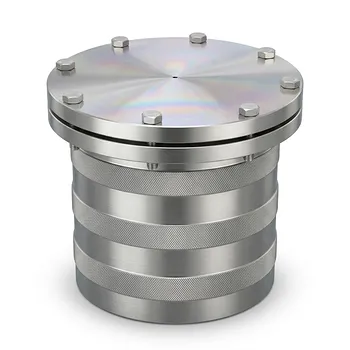
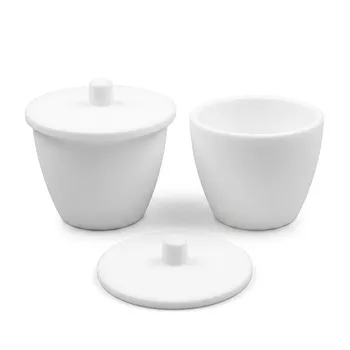
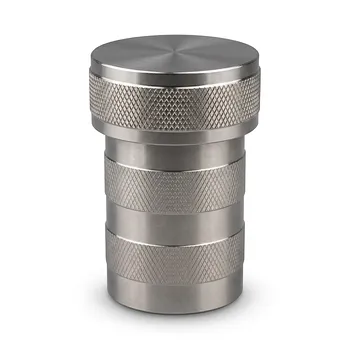
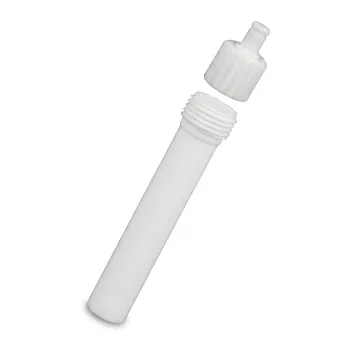
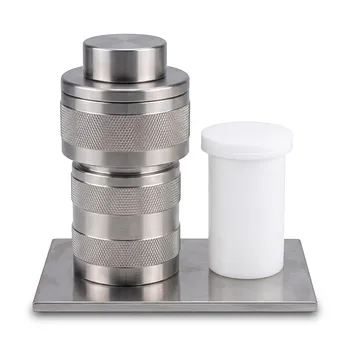
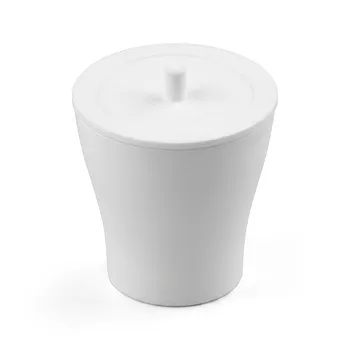
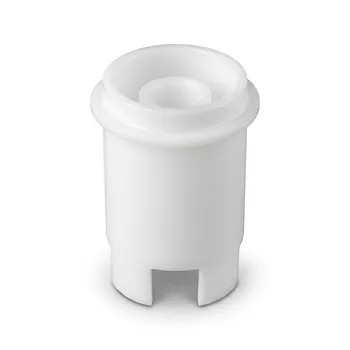
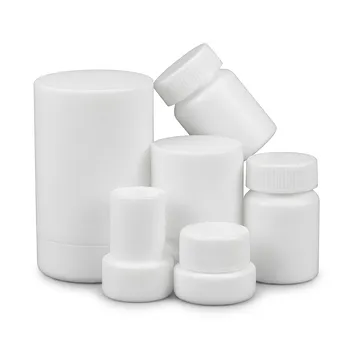
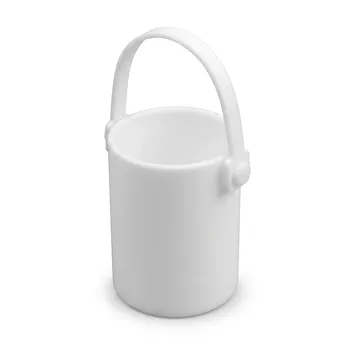
The Teflon-lined stainless steel autoclave acts as a specialized pressure vessel that creates the subcritical conditions necessary for crystal growth. It provides a sealed, high-pressure, and high-temperature environment that facilitates the transformation of precursors into well-defined o-CuO nanosheets while maintaining a pure chemical environment.
The autoclave serves as a dual-component system where the stainless steel shell provides mechanical safety under pressure, while the Teflon (PTFE) liner ensures chemical purity and corrosion resistance. Together, they enable the controlled molecular rearrangement required to form high-purity, single-crystal copper oxide structures.
Creating the Hydrothermal Growth Environment
Establishing High-Pressure Kinetics
Hydrothermal synthesis requires a closed system to generate autogenous pressure as the internal liquid is heated. This pressure increases the solubility of precursors and accelerates the reaction kinetics, allowing for the formation of crystalline structures that would not be possible at atmospheric pressure.
Facilitating Molecular Rearrangement
The high-temperature environment (typically around 100°C for o-CuO) provides the thermal energy necessary for precursors to undergo thorough molecular rearrangement. This process is essential for the transition from amorphous or disorganized precursors into organized, regular morphologies like nanosheets.
Providing Stable Thermal Conditions
The thick walls of the stainless steel autoclave help maintain a stable, uniform temperature distribution throughout the reaction duration. Consistency in temperature is critical for ensuring that the nanosheets grow with uniform thickness and high specific surface areas.
The Critical Role of the PTFE Liner
Ensuring Exceptional Chemical Inertness
Copper oxide synthesis often involves strong alkaline solutions that would aggressively erode most metal surfaces. The Polytetrafluoroethylene (PTFE) liner is used because it is almost entirely chemically inert, protecting the integrity of the reaction solution.
Preventing Metal Ion Contamination
Without a liner, the reaction solution would react with the iron, chromium, or nickel in the stainless steel shell. The Teflon liner prevents the leaching of these impurities, ensuring that the final copper oxide nanosheets are of high chemical purity and free from secondary metal contaminants.
Providing a Non-Stick Surface
The smooth, non-stick surface of the PTFE liner prevents the synthesized nanosheets from adhering to the vessel walls. This maximizes the yield of the recovered product and facilitates easier cleaning and maintenance of the equipment between synthesis runs.
Mechanical Stability and Safety
Providing Structural Reinforcement
While Teflon is chemically superior, it lacks the mechanical strength to withstand the high internal pressures generated during hydrothermal heating. The stainless steel outer shell provides the necessary structural reinforcement to contain the reaction safely.
Managing High-Pressure Risks
In high-temperature synthesis (which can reach up to 240°C in some variations), the internal steam pressure can become significant. The robust construction of the autoclave ensures that the vessel remains sealed, preventing the loss of volatile components and protecting the laboratory environment.
Understanding the Trade-offs and Limitations
Temperature Constraints of PTFE
Although Teflon is highly resistant to chemicals, it has a physical temperature limit, typically around 240°C. Exceeding this temperature can cause the liner to deform or "creep," which can lead to seal failure or difficulty removing the liner from the steel shell.
Differences in Thermal Expansion
Stainless steel and PTFE expand at different rates when heated. This requires careful consideration during the cooling phase; cooling too rapidly can sometimes cause the liner to warp or trap reaction products between the liner and the shell.
Pressure Filling Ratios
The autoclave must never be completely filled with liquid, as the thermal expansion of the fluid could lead to an explosive pressure increase. Typically, a filling ratio of 60% to 80% is recommended to provide a "headspace" for vapor, balancing safety with reaction efficiency.
How to Apply This to Your Project
Making the Right Choice for Your Goal
- If your primary focus is high chemical purity: Ensure your PTFE liner is thoroughly cleaned with acid between uses to remove any trace elements that could seed unwanted crystal growth.
- If your primary focus is specific nanosheet morphology: Maintain strict control over the reaction temperature and duration, as the autoclave’s stability is what allows for the slow, anisotropic growth of single-crystal sheets.
- If your primary focus is laboratory safety: Always verify the pressure and temperature ratings of your specific autoclave model and never exceed the recommended filling ratio for your solvent.
The synergy between the inert Teflon liner and the robust steel shell is the fundamental requirement for transforming simple copper salts into sophisticated o-CuO nanosheets.
Summary Table:
| Component | Primary Function | Key Benefit for Synthesis |
|---|---|---|
| Stainless Steel Shell | Structural Reinforcement | Safely contains high-pressure kinetics and autogenous steam. |
| PTFE (Teflon) Liner | Chemical Inertness | Prevents metal ion contamination and resists corrosive alkaline solutions. |
| Closed System Design | Subcritical Environment | Increases precursor solubility for uniform single-crystal growth. |
| Non-stick Surface | Product Recovery | Ensures high yield of nanosheets and facilitates easy vessel cleaning. |
Elevate Your Synthesis with KINTEK’s High-Performance Fluoropolymers
Achieving high-purity copper oxide nanosheets requires equipment that refuses to compromise. At KINTEK, we specialize in the absolute focus on high-performance materials like PTFE and PFA. From hydrothermal synthesis liners and microwave digestion vessels to everyday basic labware like beakers, crucibles, and high-purity trace analysis instruments, we provide the chemical inertness and thermal stability your research demands.
Whether you need standard consumables—such as stirring bars, tubing, and filters—or bespoke laboratory setups and complex non-standard machined parts via our end-to-end custom CNC fabrication, KINTEK delivers everything from high-volume orders to unique reaction apparatus.
Ready to optimize your lab’s efficiency and precision? Contact our expert team today!
References
- Yu‐Cai Zhang, Min‐Rui Gao. Facet-switching of rate-determining step on copper in CO <sub>2</sub> -to-ethylene electroreduction. DOI: 10.1073/pnas.2400546121
This article is also based on technical information from Kintek Knowledge Base .
Related Products
- Custom TFM Reaction Vessel with Stainless Steel Jacket and PTFE Inner Cup for High Corrosion Resistance
- High Purity Corrosion Resistant Teflon Crucible Low Background Laboratory PTFE Vessel for Trace Analysis and Acid Digestion
- High Temperature Corrosion Resistant Hydrothermal Synthesis Reactor with TFM Inner Liner and Straight Cylinder Design
- High Purity PTFE Microwave Digestion Vessel Replacement Liner for Acid Sample Preparation and Trace Analysis
- PTFE Lined High Pressure Digestion Vessel 50ml High Temperature Hydrothermal Synthesis Tank
People Also Ask
- Why is a Polytetrafluoroethylene (PTFE) lined reaction vessel an ideal choice for preparing PtNPs/FeSAC tandem catalysts?
- Why are high-performance pressure-resistant reaction vessels required for oxygen-assisted hydrothermal conversion at 150 °C?
- Why are PTFE-lined reaction vessels necessary for forced degradation studies? Ensure high-purity results and accuracy.
- Why are high-quality fluoropolymer-lined reaction vessels required for alk-Ti3C2Tx MXene? Ensure Purity & HF Resistance
- How do magnetic stirring and reaction vessels impact MOF-derived carbon quality? Optimize Your Composite Performance