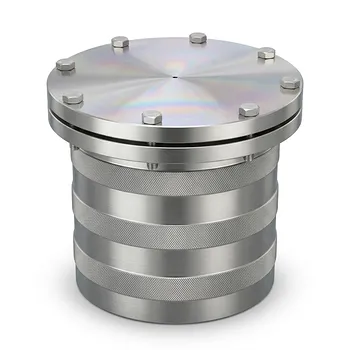
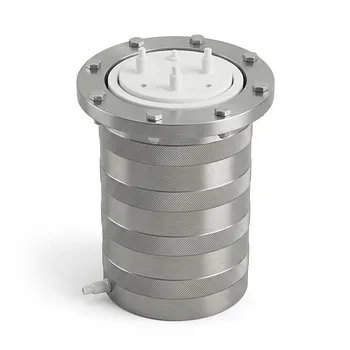
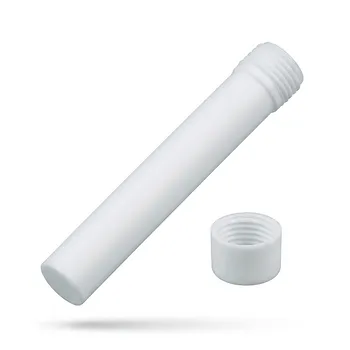
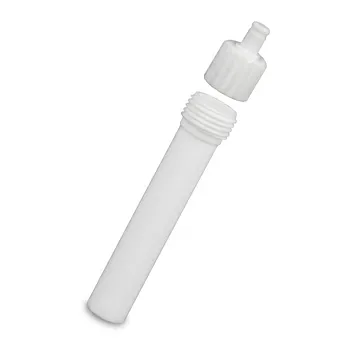
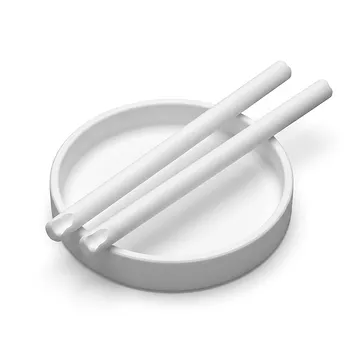
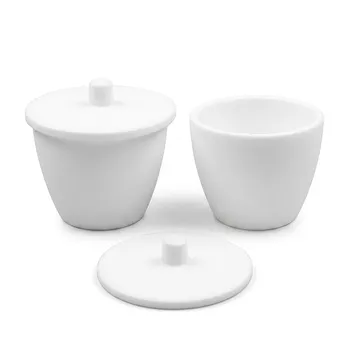
A PTFE-lined stainless steel autoclave serves as the primary high-pressure reactor vessel for Hydrothermal Carbonization (HTC). It enables the conversion of biomass into carbon materials by maintaining a sealed environment where water remains in a liquid, "subcritical" state at temperatures far exceeding its normal boiling point. This setup is critical for facilitating the specific chemical pathways—such as hydrolysis and decarboxylation—required to produce functionalized hydrochar.
The autoclave provides a dual-benefit system: the stainless steel exterior handles extreme structural pressure, while the PTFE liner ensures chemical purity and corrosion resistance. This synergy allows for the safe, uncontaminated transformation of organic precursors into advanced carbon materials.
The Synergy of Material Construction
The performance of the autoclave depends on the integration of two distinct materials that address different physical and chemical challenges.
Structural Integrity of Stainless Steel
The external stainless steel shell is engineered to withstand the significant autogenous pressure generated as the aqueous solution is heated. This structural "skeleton" allows the system to operate safely at temperatures typically ranging from 160 °C to 230 °C.
Chemical Inertness of the PTFE Liner
The Polytetrafluoroethylene (PTFE) liner acts as a protective barrier that prevents the reaction medium from contacting the metal walls. This is essential for resisting corrosion from acidic or basic precursors, such as sulfuric acid or ammonia solutions, which would otherwise degrade the steel.
Prevention of Metallic Contamination
By isolating the reaction within the PTFE liner, the system ensures that metal ions do not leach into the carbon product. This is a vital requirement for producing high-purity materials like Carbon Quantum Dots (CQDs) or specialized nanocomposites used in electronics and medicine.
Facilitating the Hydrothermal Environment
The autoclave creates the specific thermodynamic conditions needed to break down complex biomass structures into manageable carbon building blocks.
Maintaining Subcritical Water Conditions
In a sealed autoclave, water becomes a highly reactive solvent that promotes the hydrolysis of biomass. The high-pressure environment forces water to penetrate the cellular structure of the biomass, initiating the breakdown of lignin and cellulose.
Driving Complex Chemical Pathways
The stabilized heat and pressure within the vessel drive essential reactions including dehydration and decarboxylation. These processes remove oxygen and hydrogen from the precursor, resulting in a carbon-rich solid (hydrochar) that features a high density of surface functional groups.
Controlling Morphology and Structure
The consistent environment inside the liner allows for precise control over the dissolution and recrystallization of substances. This control is necessary to achieve specific morphologies, such as nanoparticles, nanorods, or regular nanosheet structures.
Understanding the Trade-offs and Limitations
While highly effective, the use of PTFE-lined autoclaves involves specific technical constraints that must be managed to ensure safety and experimental success.
Temperature Thresholds
PTFE has a definitive thermal limit, generally becoming unstable or prone to deformation above 230 °C to 250 °C. Exceeding these temperatures can lead to liner failure, compromising the seal and potentially damaging the stainless steel shell.
Thermal Lag and Heating Rates
The PTFE liner acts as an insulator, which can create a delay between the temperature measured outside the vessel and the actual temperature of the reaction solution. This thermal lag must be accounted for to ensure the biomass undergoes the intended degree of carbonization.
Mechanical Wear and Sealing
Repeated heating and cooling cycles can cause the PTFE liner to lose its shape over time, leading to potential leaks. Maintaining a perfect seal is mandatory to maintain the autogenous pressure required for the HTC process to function.
Making the Right Choice for Your Goal
To maximize the effectiveness of your hydrothermal carbonization process, tailor your equipment usage to your specific material requirements.
- If your primary focus is high-purity carbon dots: Ensure your PTFE liner is pristine and free of scratches to prevent any trace metal contamination from the autoclave walls.
- If your primary focus is structural morphology (nanorods/sheets): Prioritize precise temperature control and longer reaction times to allow for the steady dissolution and recrystallization of precursors.
- If your primary focus is processing highly acidic precursors: Frequently inspect the PTFE liner for thinning or discoloration, as concentrated acids at high temperatures can eventually degrade the material.
The PTFE-lined stainless steel autoclave remains the gold standard for biomass carbonization by providing the unique combination of physical strength and chemical neutrality required for subcritical water chemistry.
Summary Table:
| Component | Role in HTC Process | Key Benefit |
|---|---|---|
| Stainless Steel Shell | Structural Support | Safely withstands high autogenous pressure at 160°C - 230°C. |
| PTFE Liner | Chemical Barrier | Prevents corrosion and eliminates metallic contamination of hydrochar. |
| Sealed Environment | Thermodynamic Control | Maintains subcritical water conditions for efficient biomass hydrolysis. |
Elevate Your HTC Research with KINTEK’s High-Performance Fluoropolymer Solutions
Precision in hydrothermal carbonization demands equipment that balances structural strength with absolute chemical purity. KINTEK specializes in manufacturing virtually all imaginable laboratory supplies crafted from high-grade PTFE and PFA. From standard labware like beakers and reagent bottles to specialized hydrothermal synthesis liners and custom-machined reaction apparatus, our products ensure your carbon materials remain free from metallic contamination.
Whether you require high-purity trace analysis instruments, complex fluid transfer components, or bespoke laboratory setups through our end-to-end custom CNC fabrication, KINTEK delivers the reliability your research deserves.
Ready to upgrade your laboratory setup?
→ Contact KINTEK Today for Custom Solutions
References
- S. Chandrasekaran, Philippe Knauth. Sustainable electrodes based on biomass-derived catalysts and Ionomers for the Oxygen Reduction Reaction. DOI: 10.1007/s44308-025-00009-8
This article is also based on technical information from Kintek Knowledge Base .
Related Products
- Custom TFM Reaction Vessel with Stainless Steel Jacket and PTFE Inner Cup for High Corrosion Resistance
- PTFE Lined High Pressure Digestion Vessel 50ml High Temperature Hydrothermal Synthesis Tank
- High Pressure Custom TFM Reactor Stainless Steel Outer Vessel PTFE Inner Cup for Corrosive Synthesis
- High Purity TFM Microwave Digestion Vessels PTFE Acid Evaporation Liners Domestic GT-400 Equivalent Laboratory Reaction Containers
- High Purity PTFE Microwave Digestion Vessel Replacement Liner for Acid Sample Preparation and Trace Analysis
People Also Ask
- Why are high-performance pressure-resistant reaction vessels required for oxygen-assisted hydrothermal conversion at 150 °C?
- Why are high-quality fluoropolymer-lined reaction vessels required for alk-Ti3C2Tx MXene? Ensure Purity & HF Resistance
- How do magnetic stirring and reaction vessels impact MOF-derived carbon quality? Optimize Your Composite Performance
- Why are PTFE-lined reaction vessels necessary for forced degradation studies? Ensure high-purity results and accuracy.
- Why is a high-purity PTFE lined reaction vessel required for the acidic etching of MXenes? Ensure Material Purity.