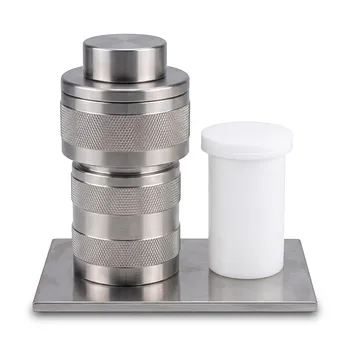
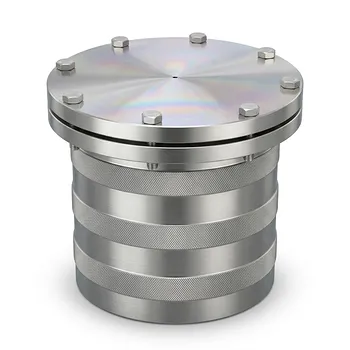
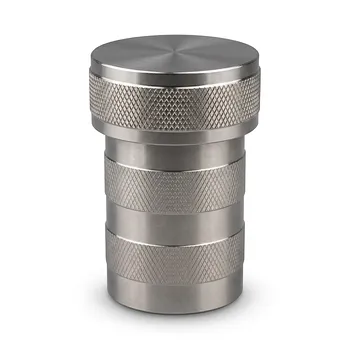
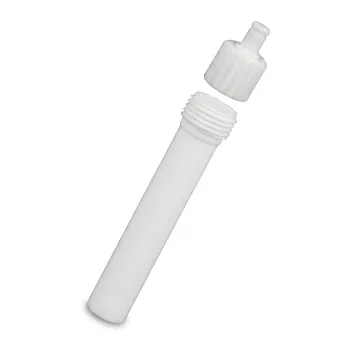
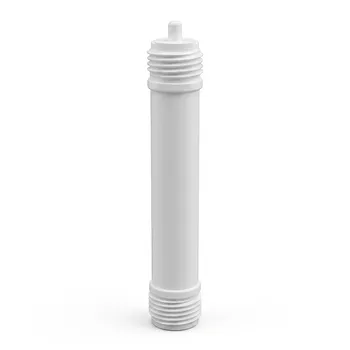
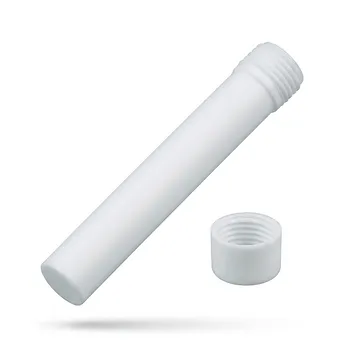
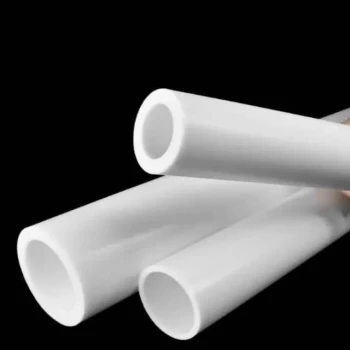
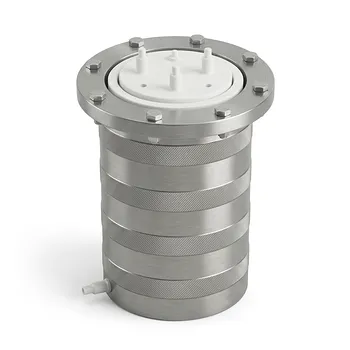
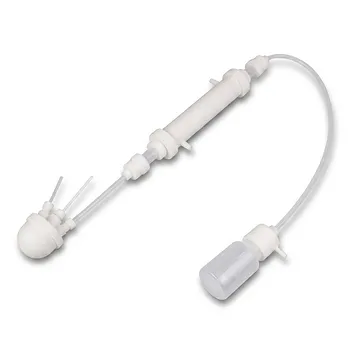
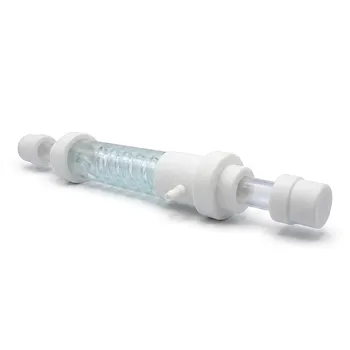
PTFE liners serve as the primary chemical barrier and reaction vessel within hydrothermal synthesis autoclaves. They provide a chemically inert environment that remains stable when exposed to aggressive reagents, such as strong acids and bases, under elevated temperatures and pressures. By isolating the reaction medium from the reactor’s metal walls, these liners prevent structural corrosion of the autoclave and eliminate the risk of metal contamination in the synthesized product.
The PTFE liner acts as a critical, non-reactive interface that enables high-pressure chemistry by protecting the structural integrity of the reactor shell while ensuring the chemical purity and morphology of the synthesized materials.
Protecting the Structural Integrity of the Reactor
Corrosion Defense Against Harsh Media
Hydrothermal synthesis often requires the use of concentrated acids or alkalis that would rapidly degrade standard stainless steel. PTFE (Polytetrafluoroethylene) is exceptionally resistant to chemical attack, acting as a sacrificial barrier that keeps corrosive media away from the reactor's load-bearing walls.
Extending the Lifecycle of the Metal Shell
By preventing direct contact between the reagents and the autoclave body, the liner prevents pitting and stress corrosion cracking. This protection is vital for maintaining the safety and longevity of the high-pressure vessel over hundreds of reaction cycles.
Ensuring High-Purity Synthesis Results
Eliminating Metal Impurity Interference
In the synthesis of functional materials or nanomaterials, even trace amounts of iron, chromium, or nickel from the reactor walls can alter crystal structures or optoelectronic properties. The liner ensures that the reaction environment remains metal-free, allowing for the production of high-purity powders with uniform morphology.
Maintaining a Sealed, Inert Environment
The liner, when paired with its matching lid, creates a sealed reaction space within the autoclave. This isolation ensures that the chemical precursors react only with each other, rather than interacting with the atmospheric gases or the metallic environment of the outer shell.
Facilitating Post-Experimental Operations
Non-Stick Surface for Sample Recovery
One of the most valuable properties of PTFE is its extremely low surface energy, which creates a non-stick environment. This allows researchers to easily recover micro- and nano-powders without losing significant yields to the vessel walls.
Streamlining the Cleaning Process
Because residues do not easily bond to the PTFE surface, the cleaning turnaround time between experiments is significantly reduced. This minimizes the risk of cross-contamination between different synthesis batches.
Understanding the Trade-offs and Limitations
Temperature and Pressure Thresholds
While robust, PTFE has a definitive thermal limit, typically recommended up to 220°C. Exceeding this temperature can cause the material to soften or emit toxic fumes, potentially compromising the seal and damaging the reactor.
Risk of Mechanical Deformation
Under high pressure and temperature, PTFE is subject to "creep" or cold flow, where the plastic slowly deforms over time. Users must regularly inspect liners for thinning or warping to ensure the internal seal remains effective and the liner does not become stuck in the metal shell.
How to Optimize Your Use of PTFE Liners
When integrating PTFE liners into your hydrothermal workflow, your approach should vary based on your specific experimental parameters.
- If your primary focus is High-Purity Nanomaterial Synthesis: Ensure you use high-purity, virgin PTFE liners to prevent trace contaminants from leaching into your crystal growth system.
- If your primary focus is Corrosive Acid Digestion: Regularly inspect the liner walls for signs of discoloration or "crazing," as aggressive acids can eventually cause micro-fractures in the material.
- If your primary focus is High-Temperature Reactions (>220°C): Consider transitioning to PPL (Polyphenylene polymers) liners, which offer higher thermal stability than standard PTFE.
By treating the PTFE liner as a precision component rather than a simple plastic insert, you ensure both the safety of your laboratory and the integrity of your scientific results.
Summary Table:
| Key Role | Benefit to Synthesis | Operational Consideration |
|---|---|---|
| Chemical Barrier | Prevents acid/alkali corrosion of reactor walls | Extends autoclave lifecycle |
| Purity Control | Eliminates metal contamination (Fe, Cr, Ni) | Essential for nanomaterial integrity |
| Surface Property | Non-stick surface for high sample recovery | Simplifies cleaning and turnaround |
| Thermal Buffer | Maintains stable reaction environment | Limited to 220°C; check for creep |
Elevate Your Lab's Performance with KINTEK Fluoropolymer Expertise
Don't let contamination or corrosion compromise your research. KINTEK specializes in high-performance fluoropolymer manufacturing, offering an exhaustive range of laboratory supplies crafted from premium PTFE and PFA.
Whether you need:
- Everyday Essentials: Beakers, measuring cylinders, crucibles, and reagent/wash bottles.
- Fluid & Filtration: Tubing, fittings, valves, separatory funnels, and filters.
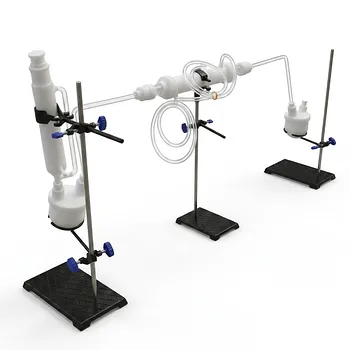
- Advanced Apparatus: Hydrothermal synthesis liners, microwave digestion vessels, electrochemical cells, and battery testing fixtures.
Our end-to-end custom CNC fabrication allows us to deliver everything from high-volume standard consumables to complex, non-standard machined parts tailored to your specific reactor dimensions. Benefit from our absolute focus on material purity and precision engineering.
Contact us today to discuss your bespoke requirements and secure the highest quality liners and labware for your next breakthrough.
References
- Wenrui Sun, Ying Li. Modification of Nickel–Cobalt–Manganese Cathode Material Prepared Using Hydrothermal Method under Pulsed High Magnetic Field. DOI: 10.1002/cnma.202500015
This article is also based on technical information from Kintek Knowledge Base .
Related Products
- PTFE Lined High Pressure Digestion Vessel 50ml High Temperature Hydrothermal Synthesis Tank
- Custom TFM Reaction Vessel with Stainless Steel Jacket and PTFE Inner Cup for High Corrosion Resistance
- High Temperature Corrosion Resistant Hydrothermal Synthesis Reactor with TFM Inner Liner and Straight Cylinder Design
- High Purity PTFE Microwave Digestion Vessel Replacement Liner for Acid Sample Preparation and Trace Analysis
- High Purity PTFE Microwave Digestion Vessel for Soil and Food Analysis Acid Resistant Fluoropolymer Sample Preparation Liners
People Also Ask
- What are the benefits of using a PTFE-lined vessel for carbon-sulfur cathode treatment? Maximize Purity & Performance
- Why are PTFE-lined pressure digestion vessels required for the preparation of Ag/CeO2 catalysts? Purity & Performance
- What is the function of high-pressure PTFE digestion vessels in mineral analysis? Optimize Sample Mineralization
- What safety features are typically incorporated into high-pressure PTFE digestion vessel designs? Ensure Lab Safety
- What is the function of PTFE lined high-pressure vessels in g-C3N4 synthesis? Achieve High-Purity Material Growth