Membrane electrolytic cells serve as the modern backbone of the chloralkali industry, providing a highly efficient method for transforming common brine into essential industrial chemicals. By electrolyzing an aqueous sodium chloride (NaCl) solution, these cells simultaneously produce chlorine gas, hydrogen gas, and high-purity sodium hydroxide (caustic soda).
Core Takeaway: Membrane cell technology represents the industry's most advanced standard, offering a superior balance of energy efficiency, environmental safety, and product purity compared to legacy diaphragm or mercury-based systems.
The Mechanics of Chemical Transformation
Production at the Anode and Cathode
In a membrane cell, the electrolysis process is split between two distinct compartments. At the anode, chloride ions are oxidized to produce chlorine gas, while at the cathode, water is reduced to produce hydrogen gas and hydroxide ions.
The Role of the Ion-Exchange Membrane
The defining feature of this technology is a selective ion-exchange membrane that separates the two compartments. This membrane allows positive sodium ions to migrate to the cathode while strictly blocking the passage of chloride and hydroxide ions.
Achieving High-Purity Output
Because the membrane prevents chloride ions from entering the cathode chamber, the resulting sodium hydroxide (NaOH) is virtually salt-free. The system typically yields caustic soda at concentrations between 30 percent and 35 percent, meeting rigorous industrial quality standards.
Efficiency and Environmental Advantages
Significant Energy Reduction
Membrane cells are the most energy-efficient option available for chloralkali production. They consume approximately 2,500 kWh per ton of chlorine, representing a 15 percent to 20 percent energy saving over older diaphragm cell technologies.
Eliminating Toxic Materials
Legacy chloralkali methods relied on hazardous materials like mercury or asbestos to separate chemical products. Membrane cells eliminate these risks entirely, making them the environmentally preferred choice for modern chemical manufacturing.
Lower Operational Footprint
The combination of high-purity output and lower energy requirements allows facilities to operate with a smaller environmental footprint. This efficiency reduces both the carbon intensity of the process and the need for downstream purification steps.
Understanding the Trade-offs and Challenges
Sensitivity to Brine Purity
The ion-exchange membranes used in these cells are highly sophisticated and extremely sensitive to impurities. Even trace amounts of hardness (calcium or magnesium) in the brine can foul the membrane, leading to a permanent loss of efficiency.
High Initial Capital Costs
While membrane cells save money on energy in the long term, the initial investment for the membranes themselves is significant. These components must be replaced periodically, which adds a recurring high-cost item to the facility's maintenance budget.
Specialized Brine Treatment Requirements
To protect the membrane, plants must invest in secondary brine purification systems. This adds complexity to the overall plant design, as the incoming salt water must be treated to a much higher standard than what is required for diaphragm cells.
Applying This Technology to Industrial Strategy
Making the Right Choice for Your Goal
The adoption of membrane cell technology should be guided by specific operational priorities regarding purity and sustainability.
- If your primary focus is energy cost reduction: Transitioning to membrane cells is the most effective way to lower electricity consumption by up to 20 percent compared to diaphragm systems.
- If your primary focus is product purity: Membrane cells are the definitive choice, as they produce high-concentration, salt-free sodium hydroxide suitable for sensitive applications.
- If your primary focus is environmental compliance: This technology is the industry standard for eliminating mercury and asbestos from the production cycle.
By prioritizing membrane technology, manufacturers can ensure a sustainable, high-quality, and energy-efficient supply of the fundamental chemicals that power modern industry.
Summary Table:
| Feature | Performance & Impact |
|---|---|
| Primary Products | Chlorine gas ($Cl_2$), Hydrogen gas ($H_2$), High-purity Sodium Hydroxide (NaOH) |
| Energy Efficiency | Consumes ~2,500 kWh/ton; 15-20% more efficient than diaphragm cells |
| Product Quality | Yields 30-35% salt-free caustic soda via selective ion-exchange membranes |
| Environmental Impact | 100% Mercury and Asbestos-free; minimal carbon footprint |
| Critical Requirement | Demands ultra-pure brine to prevent membrane fouling (secondary purification) |
Precision Equipment for High-Performance Electrochemistry
To achieve the rigorous purity standards required in the chloralkali industry and advanced chemical research, you need laboratory supplies that offer absolute chemical resistance and precision. KINTEK specializes in high-performance fluoropolymer solutions, providing everything from everyday PTFE and PFA labware (beakers, reagent bottles, and filtration tools) to advanced custom electrochemical cells and battery testing fixtures.
Whether you require high-purity trace analysis instruments, specialized fluid transfer components like tubing and valves, or bespoke CNC-machined parts designed for your unique reaction apparatus, KINTEK is your end-to-end fabrication partner. Our focus on high-performance materials ensures your lab maintains maximum efficiency and contamination-free results.
Ready to upgrade your laboratory setup? Contact our experts today to discuss your standard or custom requirements!
Related Products
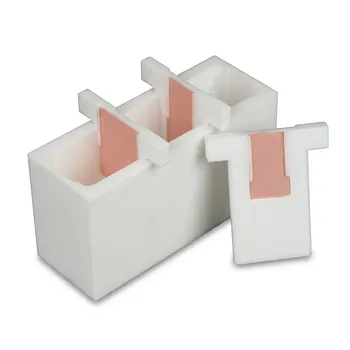
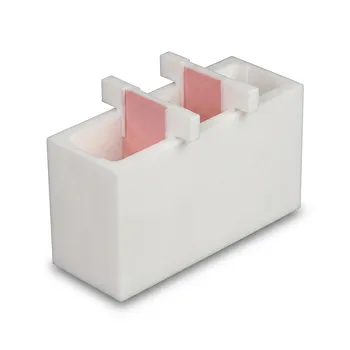
- White PTFE Electrolytic Cell with Movable Slider and Insulated Lid for Fluorine Corrosion Resistance
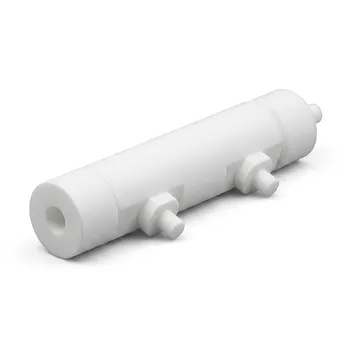
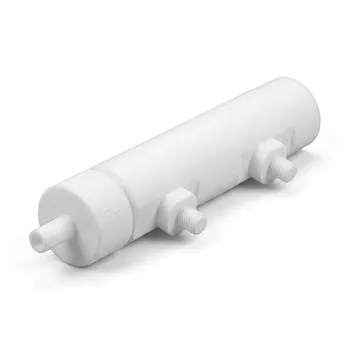
- Custom PTFE Electrolytic Cell Corrosion Resistant Low Background Reaction Vessel with Inlet Outlet Ports
- Square PTFE Electrochemical Cell for Silicon Wafer Processing and Hydrofluoric Acid Resistance in Semiconductor and New Energy Research
- High Purity Custom PTFE Reaction Cell Electrolytic Tank for Semiconductor and Polysilicon Industrial Applications
- Customizable PFA Square Tray Corrosion Resistant High Temperature Large Petri Dish Electrolytic Cell
People Also Ask
- What makes PTFE an ideal construction material for custom electrochemical cells and electronic analytical instrumentation housings? Discover superior chemical resistance and electrical insulation
- How do custom PTFE electrochemical cells improve the accuracy of stability testing for alkaline catalysts compared to glass cells?
- How does the hydrophobicity of PTFE benefit electrochemical measurements? Enhance Stability and Precision in Your Lab
- How are electrolytic cells utilized in the Hall-Héroult process? Optimizing Purity and Energy Efficiency
- What are the primary components required for the construction of a standard electrolytic cell? Essential Hardware Guide