Organofluorine synthesis via electrolytic cells is primarily executed through Simons electrofluorination. This specialized electrochemical process utilizes electrolytic cells filled with anhydrous hydrogen fluoride (HF) to facilitate the selective conversion of carbon-hydrogen (C-H) bonds into carbon-fluorine (C-F) bonds. By operating under precise, mild voltage control, this technology allows for the production of high-purity specialty fluorocarbons essential for the pharmaceutical and refrigerant industries.
Core Takeaway: Electrolytic cell technology provides a controlled, safer, and highly selective environment for C–H to C–F conversion by using anhydrous hydrogen fluoride and precise voltage management to bypass the volatility of traditional chemical fluorination.
The Mechanics of Simons Electrofluorination
The Role of Anhydrous Hydrogen Fluoride (HF)
In this process, anhydrous hydrogen fluoride acts as both the solvent and the source of fluorine atoms. The electrolytic cell provides the necessary energy to drive the fluorination reaction without the need for highly reactive and dangerous elemental fluorine gas ($F_2$).
Selective C–H to C–F Bond Conversion
The core objective is the transformation of organic molecules by replacing specific hydrogen atoms with fluorine. This selective conversion is critical because the positioning of fluorine atoms significantly alters the chemical and physical properties of the resulting molecule.
Precision Through Voltage Control
Unlike traditional chemical reactions that can be difficult to stop once started, electrolytic cells operate under mild voltage control. This allows operators to fine-tune the electrochemical potential, ensuring that the fluorination occurs at the desired sites without destroying the molecular backbone.
Industrial Utility and Strategic Benefits
Enhancing Safety in Fluorine Chemistry
Traditional fluorination is often violent and difficult to manage due to the extreme reactivity of fluorine. The electrolytic method is favored because it offers a higher level of safety by generating reactive species in situ and under controlled conditions.
Serving High-Precision Industries
This technology is the backbone for producing specialty fluorocarbons. These compounds are vital in the development of modern pharmaceuticals, where fluorine enhances metabolic stability, and in refrigerants, where specific thermal properties are required.
Understanding the Trade-offs and Challenges
Corrosive Nature of the Electrolyte
Working with anhydrous HF presents significant engineering challenges. The material is highly corrosive, requiring specialized cell components and rigorous maintenance protocols to prevent leaks and equipment failure.
Energy and Scale Limitations
While electrolytic cells offer superior control, they can be energy-intensive compared to some catalytic methods. Furthermore, scaling these cells for mass production requires balancing electrical efficiency with the heat generated during the fluorination process.
Applying Electrolytic Methods to Your Production Goals
If you are evaluating the implementation of electrolytic technology for organofluorine synthesis, consider the following strategic alignments:
- If your primary focus is molecular precision: Use Simons electrofluorination to achieve high selectivity in C–H to C–F conversions that are difficult to replicate via standard chemical routes.
- If your primary focus is operational safety: Prioritize electrolytic cells to mitigate the risks associated with handling and storing high concentrations of elemental fluorine gas.
- If your primary focus is high-value specialty outputs: Leverage mild voltage control to produce high-purity compounds for sensitive applications like pharmaceutical drug design.
By mastering the balance of voltage and electrolyte chemistry, you can transform hazardous fluorine precursors into the foundational building blocks of modern life sciences and cooling technologies.
Summary Table:
| Feature | Description |
|---|---|
| Primary Method | Simons Electrofluorination |
| Electrolyte/Source | Anhydrous Hydrogen Fluoride (HF) |
| Mechanism | Selective conversion of C-H bonds to C-F bonds |
| Control Method | Mild voltage control for molecular precision |
| Key Industries | Pharmaceuticals, Specialty Refrigerants, Fine Chemicals |
| Major Advantage | Higher safety and selectivity compared to $F_2$ gas |
Scale Your Fluorine Chemistry with KINTEK’s High-Performance Fluoropolymer Solutions
Achieving high-purity organofluorine synthesis requires equipment capable of withstanding extreme corrosives like anhydrous HF. KINTEK provides the industry’s most comprehensive range of PTFE and PFA laboratory supplies, ensuring your electrochemical and synthesis workflows remain safe, precise, and efficient.
Whether you need everyday essentials—such as beakers, reagent bottles, and centrifuge tubes—or advanced standard and custom electrochemical cells and battery testing fixtures, we have you covered. Our expertise extends to comprehensive fluid transfer components (tubing, fittings, valves), sample prep tools, and advanced reaction apparatus like hydrothermal synthesis liners and microwave digestion vessels.
Why choose KINTEK?
- Unmatched Material Integrity: Absolute focus on high-performance fluoropolymers for maximum chemical resistance.
- Custom Engineering: End-to-end custom CNC fabrication for non-standard machined parts and bespoke laboratory setups.
- Comprehensive Range: From simple stirring bars and O-rings to complex microchannel reactors.
Consult with our specialists today to secure high-quality fluoropolymer components for your lab!
Related Products
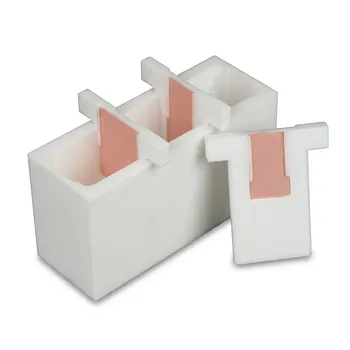
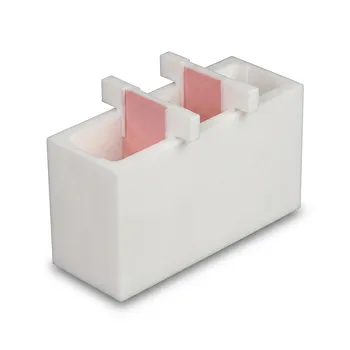
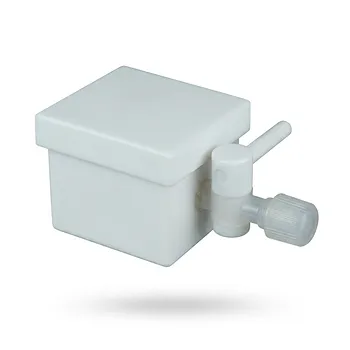
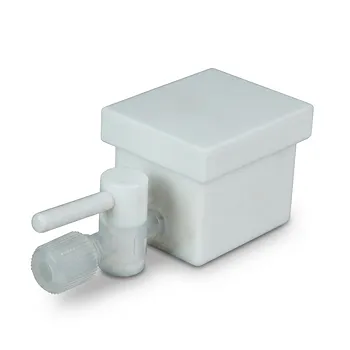
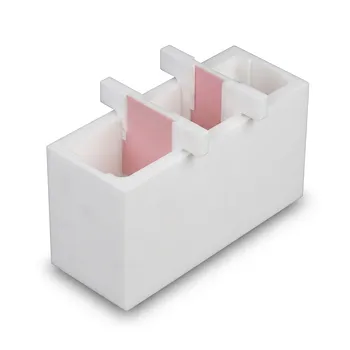
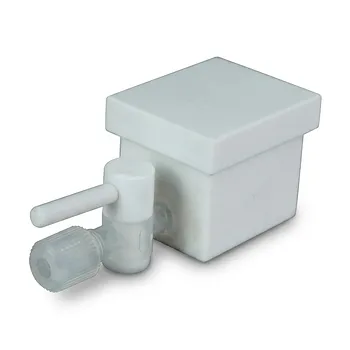
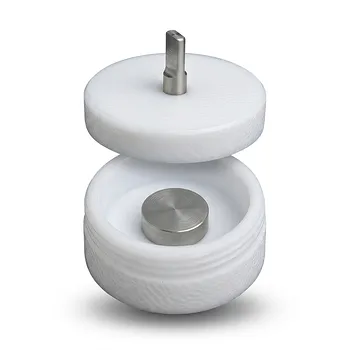
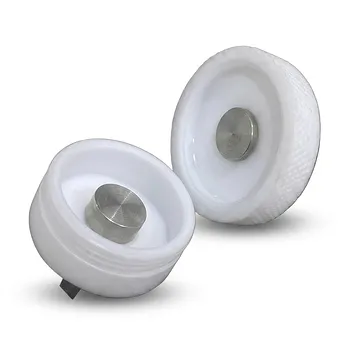
- White PTFE Electrolytic Cell with Movable Slider and Insulated Lid for Fluorine Corrosion Resistance
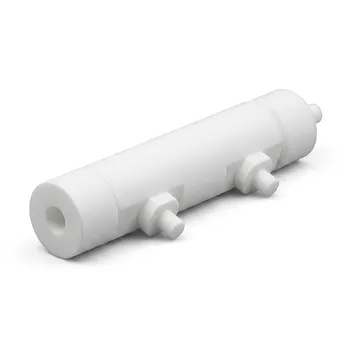
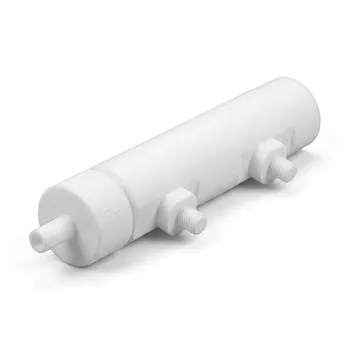
- Custom PTFE Electrolytic Cell Corrosion Resistant Low Background Reaction Vessel with Inlet Outlet Ports
- High Purity Custom PTFE Reaction Cell Electrolytic Tank for Semiconductor and Polysilicon Industrial Applications
- Square PTFE Electrochemical Cell for Silicon Wafer Processing and Hydrofluoric Acid Resistance in Semiconductor and New Energy Research
- Customizable PFA Square Tray Corrosion Resistant High Temperature Large Petri Dish Electrolytic Cell
People Also Ask
- What makes PTFE an ideal construction material for custom electrochemical cells and electronic analytical instrumentation housings? Discover superior chemical resistance and electrical insulation
- How do custom PTFE electrochemical cells improve the accuracy of stability testing for alkaline catalysts compared to glass cells?
- How does the hydrophobicity of PTFE benefit electrochemical measurements? Enhance Stability and Precision in Your Lab
- How are electrolytic cells utilized in the Hall-Héroult process? Optimizing Purity and Energy Efficiency
- What are the primary components required for the construction of a standard electrolytic cell? Essential Hardware Guide