Electrolytic cells are the fundamental units of the Hall-Héroult process, serving as the chemical reactors where alumina is transformed into pure molten aluminum. These cells facilitate the electrolytic reduction of alumina ($Al_2O_3$) by dissolving it in a bath of molten cryolite at temperatures between 940°C and 980°C. High electrical currents are passed through the cell, causing aluminum ions to deposit as metal at the cathode while oxygen reacts with carbon anodes to produce carbon dioxide.
The Hall-Héroult process leverages high-current electrolysis to extract high-purity aluminum from a molten salt solution, balancing extreme temperatures with precise electrical efficiency.
The Mechanics of Electrolytic Reduction
The Role of the Electrolyte Bath
Pure alumina has an extremely high melting point, making direct electrolysis impractical. In these cells, alumina is dissolved in molten cryolite, which lowers the required operating temperature to a range of 940°C to 980°C.
This molten bath acts as the essential medium for ion transport. It allows the electrical current to flow through the solution, driving the chemical separation of aluminum from oxygen.
Electrochemical Reactions at the Electrodes
At the cathode, aluminum ions undergo reduction. This process produces high-purity molten metal—typically between 99.5 percent and 99.8 percent—which settles at the bottom of the cell for collection.
At the carbon anode, oxygen liberated from the alumina reacts directly with the electrode material. This reaction forms carbon dioxide gas, which is then vented from the cell.
Industrial Scale and Efficiency
Managing Massive Electrical Currents
Modern industrial cells are designed to operate at massive scales to maximize output. They utilize high currents ranging from 160 kA to 400 kA to drive the reduction process.
This high amperage is not only necessary for the chemical reaction but also helps maintain the thermal equilibrium required to keep the cryolite in a molten state.
Measuring Process Performance
Efficiency is measured by how effectively the electrical energy is converted into chemical work. Current efficiencies in modern cells typically range from 88 percent to 96 percent.
The energy intensity of this process is significant. It generally requires a specific energy consumption of approximately 13 to 15 kWh to produce a single kilogram of aluminum.
Understanding the Trade-offs
Anode Consumption and Emissions
Because the carbon anodes participate in the chemical reaction, they are consumed over time. This requires a continuous cycle of anode replacement and contributes to the carbon footprint of the production facility.
Thermal Management Constraints
The temperature window of 940°C to 980°C is narrow and unforgiving. Deviating from this range can lead to "freeze-ups" of the electrolyte or excessive wear on the cell lining due to the corrosive nature of the molten fluoride bath.
How to Apply This to Production Strategy
- If your primary focus is maximizing metal purity: Maintain strict control over the cathode environment and alumina feed rates to ensure the final product remains within the 99.5% to 99.8% purity range.
- If your primary focus is reducing operational costs: Optimize the cell's electrical parameters to push current efficiency toward 96% and minimize energy consumption closer to the 13 kWh/kg benchmark.
Mastering the electrolytic cell environment is the key to balancing the high energy demands and material outputs of modern aluminum production.
Summary Table:
| Parameter | Specification / Detail |
|---|---|
| Operating Temperature | 940°C to 980°C |
| Primary Electrolyte | Molten Cryolite ($Na_3AlF_6$) |
| Current Range | 160 kA to 400 kA |
| Aluminum Purity | 99.5% to 99.8% |
| Current Efficiency | 88% to 96% |
| Energy Consumption | 13 to 15 kWh per kg of Al |
| Anode Material | Carbon (Consumed during process) |
Elevate Your Electrochemical Research with KINTEK Precision
From the extreme environments of aluminum production to high-purity trace analysis, KINTEK provides the high-performance fluoropolymer tools you need. We specialize in manufacturing virtually all laboratory supplies from PTFE and PFA, ensuring exceptional chemical resistance and thermal stability for your most demanding applications.
Our comprehensive range includes:
- Essential Labware: Beakers, crucibles, reagent bottles, and digestion tubes.
- Fluid Transfer: Precision tubing, fittings, and valves.
- Sample Prep: Separatory funnels, filters, and high-purity tools.
- Advanced Apparatus: Custom electrochemical cells, battery testing fixtures, and microwave digestion vessels.
Whether you need high-volume consumables or bespoke non-standard machined parts via our end-to-end custom CNC fabrication, KINTEK is your partner for absolute quality.
Ready to optimize your lab's performance? Contact us today to discuss your custom requirements!
Related Products
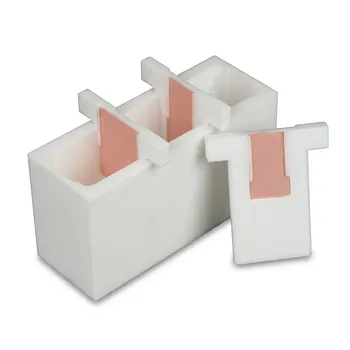
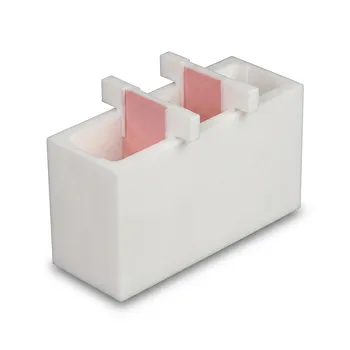
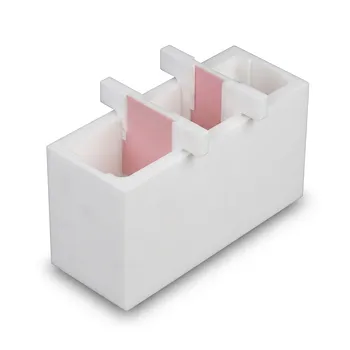
- White PTFE Electrolytic Cell with Movable Slider and Insulated Lid for Fluorine Corrosion Resistance
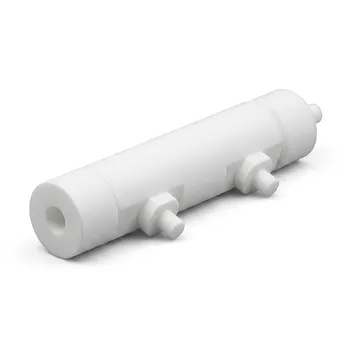
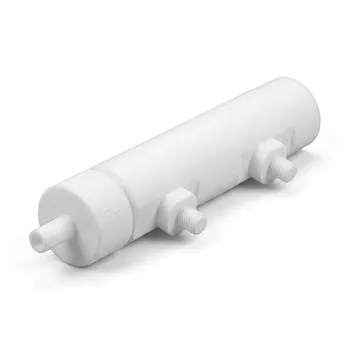
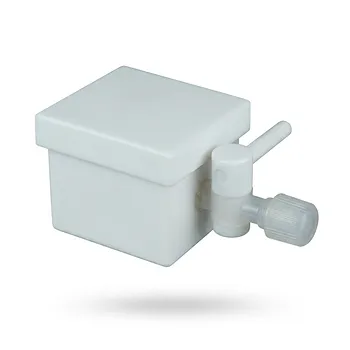
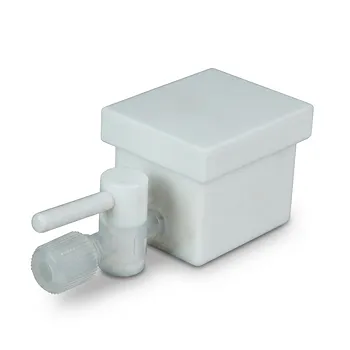
- Custom PTFE Electrolytic Cell Corrosion Resistant Low Background Reaction Vessel with Inlet Outlet Ports
- High Purity Custom PTFE Reaction Cell Electrolytic Tank for Semiconductor and Polysilicon Industrial Applications
- Square PTFE Electrochemical Cell for Silicon Wafer Processing and Hydrofluoric Acid Resistance in Semiconductor and New Energy Research
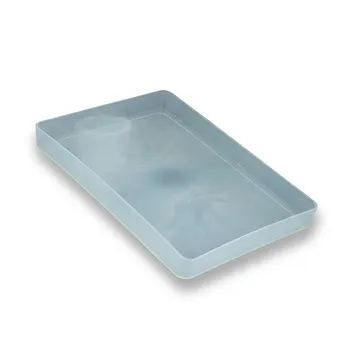
- Customizable PFA Square Tray Corrosion Resistant High Temperature Large Petri Dish Electrolytic Cell
People Also Ask
- What makes PTFE an ideal construction material for custom electrochemical cells and electronic analytical instrumentation housings? Discover superior chemical resistance and electrical insulation
- How do custom PTFE electrochemical cells improve the accuracy of stability testing for alkaline catalysts compared to glass cells?
- How does the hydrophobicity of PTFE benefit electrochemical measurements? Enhance Stability and Precision in Your Lab
- What are the primary components required for the construction of a standard electrolytic cell? Essential Hardware Guide
- How does the use of electrolytic cells benefit electroplating and surface finishing applications? Precision & Durability