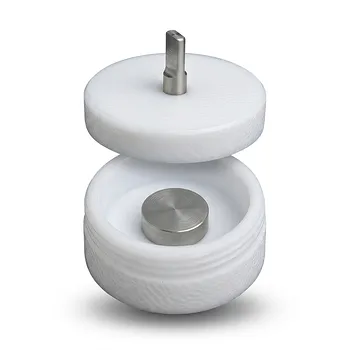
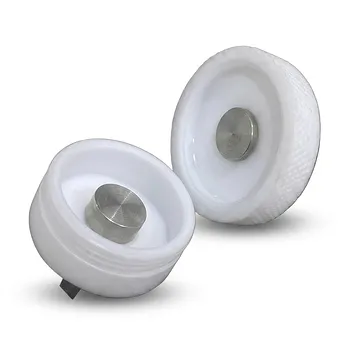
Electrolytic cells facilitate the precise, atom-by-atom deposition of metal coatings onto conductive surfaces through controlled electrochemical reactions. By manipulating electrical current and immersion time, operators can apply uniform layers of metals like chromium, nickel, or silver to enhance a component's durability and performance. This process is the industrial standard for achieving specific mechanical properties and aesthetic finishes across high-volume production lines.
The core benefit of electrolytic cells in surface finishing is their ability to provide high-purity, scalable coating solutions with surgical precision. By converting electrical energy into chemical change, these systems offer a cost-effective path to improving corrosion resistance and conductivity while minimizing material waste.
Achieving Superior Material Properties
The fundamental value of electrolytic cells lies in their ability to transform the surface characteristics of a base material without changing its bulk properties.
Precise Control Over Coating Thickness
Operators can achieve exact thicknesses ranging from a few microns to tens of microns by adjusting the current density and dwell time. This level of control ensures that even components with complex geometries receive a uniform coat that meets strict engineering tolerances.
Enhancement of Mechanical Durability
Electroplating significantly improves the corrosion resistance and wear resistance of a substrate. By applying a harder outer layer, such as chromium or zinc, the lifespan of industrial components is drastically extended in harsh environments.
Optimized Electrical Conductivity
For electronics and power applications, electrolytic cells allow for the deposition of highly conductive metals like copper and silver. This ensures efficient signal transmission and power delivery while using expensive materials only where they are needed most.
Operational Advantages in Industrial Manufacturing
Beyond the physical results, the electrolytic process offers significant logistical and economic advantages for modern manufacturing facilities.
Cost-Effectiveness and High Throughput
Electrolytic finishing is a cost-effective alternative to vacuum deposition, offering higher material utilization and lower overhead. High current densities, typically ranging from 200 to 400 A/m², enable rapid processing and high-volume production within a compact plant footprint.
Extreme Material Purity
The process of selective electrodeposition allows for metal refining with purity levels exceeding 99.99 percent. This method effectively removes impurities that traditional thermal smelting techniques cannot easily separate, ensuring the highest quality finish.
Environmental and Resource Efficiency
Modern systems utilize closed-loop hydrometallurgical flowsheets to minimize environmental waste compared to traditional smelting. The integration of dimensionally stable anodes helps reduce overpotential and limits the formation of unwanted anode sludge, further streamlining the process.
Navigating the Trade-offs and Limitations
While highly effective, the use of electrolytic cells requires careful management of specific technical and environmental variables.
Energy Demands and Overpotential
The process is inherently energy-intensive, requiring a constant supply of DC power to maintain the reaction. To mitigate high energy costs, facilities must focus on reducing overpotential through optimized cell design and high-quality anode materials.
Chemical Management and Waste
Despite the benefits of closed-loop systems, the electrolyte baths involve complex chemistries that require constant monitoring. The buildup of contaminants or the degradation of the solution can lead to inconsistent coating quality if not strictly managed.
Implementing Electrolytic Finishing in Your Workflow
To maximize the benefits of electrolytic cells, you must align the process parameters with your specific performance requirements.
- If your primary focus is extreme precision on complex parts: Prioritize the careful calibration of current density and dwell time to ensure uniform thickness across all surfaces.
- If your primary focus is high-purity material recovery: Utilize selective electrodeposition within a closed-loop system to isolate non-ferrous metals at 99.99% purity.
- If your primary focus is high-volume cost reduction: Implement automated industrial lines with dimensionally stable anodes to maximize throughput and minimize maintenance downtime.
By mastering the variables of the electrolytic cell, you can achieve a level of surface performance and manufacturing efficiency that is unattainable through traditional mechanical finishing.
Summary Table:
| Feature | Industrial Benefit | Key Performance Indicator |
|---|---|---|
| Coating Precision | Micron-level thickness control | ±0.1 - 100+ Microns |
| Material Purity | Selective metal refining | >99.99% Purity |
| Manufacturing Efficiency | High-volume production lines | 200 - 400 A/m² |
| Durability | Superior corrosion/wear resistance | Extended Component Lifespan |
Elevate Your Electrochemical Excellence with KINTEK
Maximize the efficiency and precision of your electroplating and surface finishing processes with KINTEK’s high-performance fluoropolymer solutions. We specialize in manufacturing virtually all imaginable laboratory supplies crafted from PTFE and PFA, specifically designed to withstand the harsh chemical environments of electrolytic cells.
From high-purity trace analysis instruments and comprehensive fluid transfer components (tubing, fittings, valves) to advanced reaction apparatus like custom electrochemical cells and battery testing fixtures, KINTEK provides the high-performance materials necessary for surgical precision. Whether you need standard labware (beakers, crucibles, reagent bottles) or bespoke CNC-machined parts tailored to your unique industrial workflow, our end-to-end fabrication ensures absolute reliability.
Ready to upgrade your laboratory or production line? Contact us today to discover how our high-performance fluoropolymer expertise can deliver the durability and purity your target applications demand!
Related Products
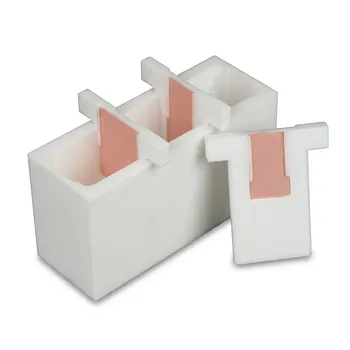
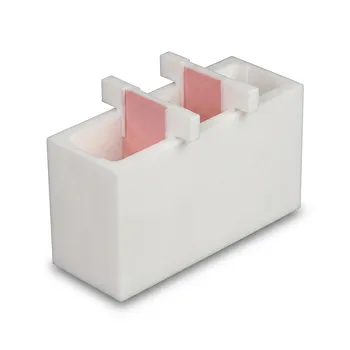
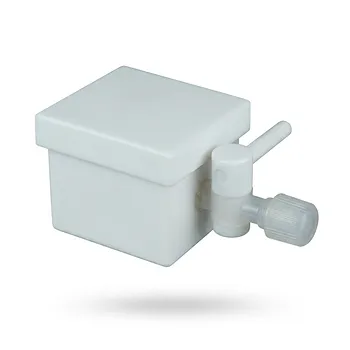
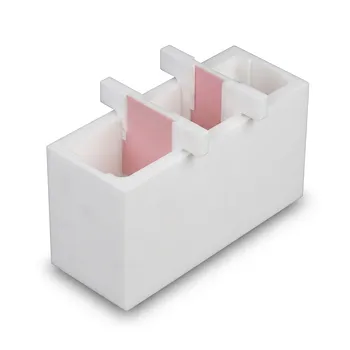
- White PTFE Electrolytic Cell with Movable Slider and Insulated Lid for Fluorine Corrosion Resistance
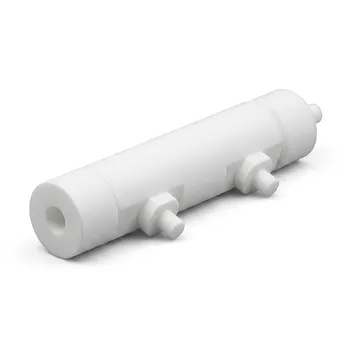
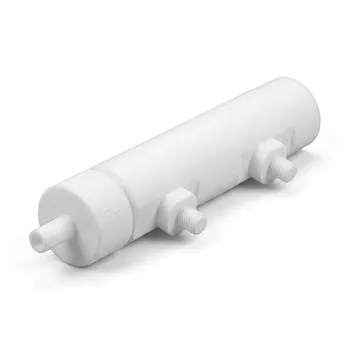
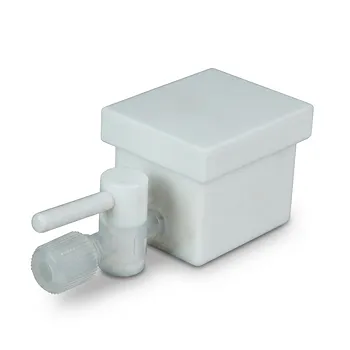
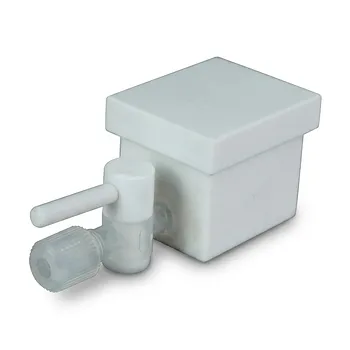
- Custom PTFE Electrolytic Cell Corrosion Resistant Low Background Reaction Vessel with Inlet Outlet Ports
- High Purity Custom PTFE Reaction Cell Electrolytic Tank for Semiconductor and Polysilicon Industrial Applications
- Square PTFE Electrochemical Cell for Silicon Wafer Processing and Hydrofluoric Acid Resistance in Semiconductor and New Energy Research
- Customizable PFA Square Tray Corrosion Resistant High Temperature Large Petri Dish Electrolytic Cell
People Also Ask
- What makes PTFE an ideal construction material for custom electrochemical cells and electronic analytical instrumentation housings? Discover superior chemical resistance and electrical insulation
- How do custom PTFE electrochemical cells improve the accuracy of stability testing for alkaline catalysts compared to glass cells?
- How does the hydrophobicity of PTFE benefit electrochemical measurements? Enhance Stability and Precision in Your Lab
- How are electrolytic cells utilized in the Hall-Héroult process? Optimizing Purity and Energy Efficiency
- What are the primary components required for the construction of a standard electrolytic cell? Essential Hardware Guide