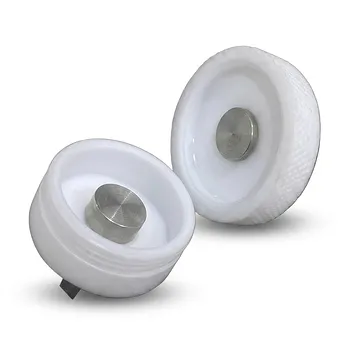
The construction of a standard electrolytic cell relies on four fundamental components. These are a direct-current (DC) power source, two electrodes (an anode and a cathode), and an electrolyte. These elements work in tandem to convert electrical energy into chemical energy, driving non-spontaneous reactions that would not occur naturally.
An electrolytic cell functions as a unified system where an external power source forces ions through a conductive medium to facilitate oxidation and reduction. The success of the process depends entirely on the compatibility of the electrode materials with the chosen electrolyte.
The Hardware: Driving the Reaction
The External DC Power Source
The DC power source acts as an electron pump for the entire system. It provides the necessary electrical potential to overcome the energy barriers of the chemical reaction.
By maintaining a constant flow of electricity in one direction, it ensures that the cathode remains negatively charged and the anode remains positively charged.
The Cathode (Negative Electrode)
The cathode is the site where reduction occurs. In this environment, chemical species gain electrons provided by the external power source.
Cations (positively charged ions) in the electrolyte are attracted to this electrode. Once they reach the surface, they accept electrons to become neutral atoms or molecules.
The Anode (Positive Electrode)
The anode is the site of oxidation. Here, chemical species lose electrons, which are then pulled into the external circuit by the power source.
Anions (negatively charged ions) migrate toward the anode. Upon contact, they release electrons, completing the electrical circuit and enabling the continuous flow of charge.
The Medium: Facilitating Ion Transport
The Electrolyte Solution or Melt
The electrolyte serves as the ionic conductor between the two electrodes. It must contain mobile ions to allow for the transport of charge through the liquid medium.
This component is typically an aqueous solution of salts, acids, or bases, or a molten salt. It is critical that the electrolyte does not conduct electrons directly; it must only facilitate the movement of ions.
Electrode Material Composition
Electrodes are chosen based on the desired chemical outcome. Inert materials, such as platinum or graphite, are frequently used because they facilitate electron transfer without participating in the reaction themselves.
In other applications, reactive materials are selected. These electrodes intentionally participate in the chemical change, often dissolving into the electrolyte or plating onto the opposing electrode.
Understanding the Trade-offs
Inert vs. Reactive Material Selection
Choosing inert electrodes like platinum ensures longevity and prevents contamination of the chemical products. However, these materials can be prohibitively expensive for large-scale industrial use.
Reactive electrodes are more cost-effective but lead to electrode consumption over time. This requires frequent replacement and can introduce unwanted byproducts into the electrolyte solution.
Aqueous vs. Molten Electrolytes
Aqueous electrolytes are easier to handle and require less energy to maintain in a liquid state. The primary drawback is that water itself may undergo electrolysis, potentially interfering with the intended chemical reaction.
Molten electrolytes eliminate interference from water, making them ideal for extracting highly reactive metals like aluminum. The trade-off is the extreme thermal energy required to keep the salts in a liquid state.
Applying Components to Your Project Goals
To build an effective electrolytic cell, you must align your component selection with your specific chemical objectives.
- If your primary focus is high-purity metal plating: Use a reactive anode made of the metal you wish to plate and a matching metal-salt electrolyte.
- If your primary focus is the electrolysis of water: Utilize inert electrodes like platinum or stainless steel to prevent the electrodes from degrading during gas evolution.
- If your primary focus is industrial cost-efficiency: Opt for graphite electrodes, which provide a balance between conductivity and low material cost.
By carefully selecting these four primary components, you can precisely control the chemical transformations within your electrolytic system.
Summary Table:
| Component | Role in Cell | Key Characteristics |
|---|---|---|
| DC Power Source | Electron Pump | Drives non-spontaneous reactions; maintains polarity |
| Cathode (-) | Site of Reduction | Attracts cations; chemical species gain electrons |
| Anode (+) | Site of Oxidation | Attracts anions; chemical species lose electrons |
| Electrolyte | Ionic Conductor | Facilitates ion transport; can be aqueous or molten |
| Electrodes | Interface | Can be inert (platinum/graphite) or reactive materials |
Elevate Your Electrochemical Research with KINTEK
Building a high-performance electrolytic cell requires materials that can withstand demanding chemical environments. KINTEK is your premier partner for high-performance fluoropolymer laboratory supplies. From everyday basic labware like beakers, measuring cylinders, and reagent bottles to specialized centrifuge tubes and digestion vessels, we provide the durability your research demands.
Our extensive catalog features everything from high-purity trace analysis instruments and comprehensive fluid transfer components (tubing, fittings, valves) to sample prep tools like separatory funnels and filters. For advanced applications, we offer custom electrochemical cells, battery testing fixtures, and hydrothermal synthesis liners—all crafted with an absolute focus on PTFE and PFA.
Why choose KINTEK?
- Custom CNC Fabrication: We deliver complex, non-standard machined parts tailored to your specific setup.
- Material Excellence: Absolute focus on high-performance fluoropolymers for maximum chemical resistance.
- End-to-End Solutions: From O-rings and gaskets to advanced reaction apparatus.
Contact KINTEK today to discuss your custom project or high-volume needs!
Related Products
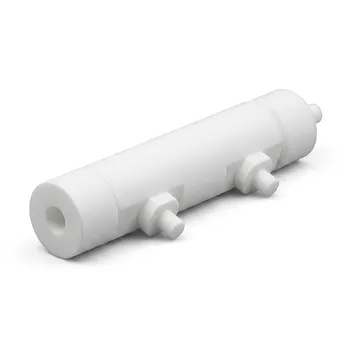
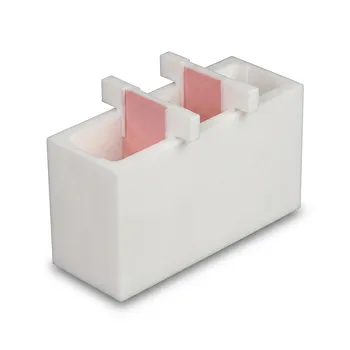
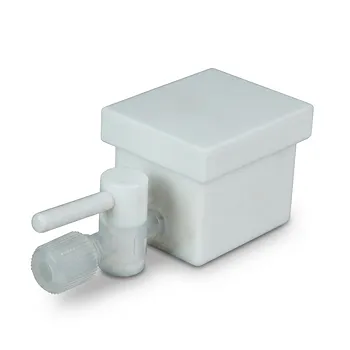
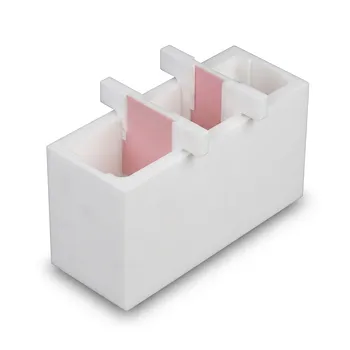
- White PTFE Electrolytic Cell with Movable Slider and Insulated Lid for Fluorine Corrosion Resistance
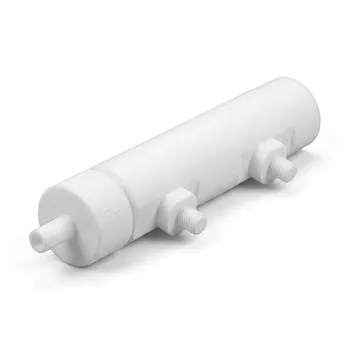
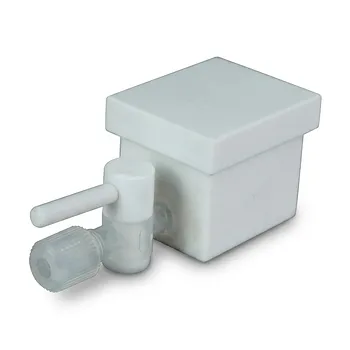
- Custom PTFE Electrolytic Cell Corrosion Resistant Low Background Reaction Vessel with Inlet Outlet Ports
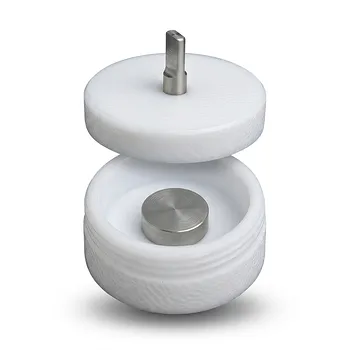
- High Purity Custom PTFE Reaction Cell Electrolytic Tank for Semiconductor and Polysilicon Industrial Applications
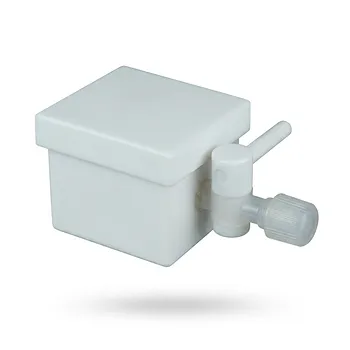
- Square PTFE Electrochemical Cell for Silicon Wafer Processing and Hydrofluoric Acid Resistance in Semiconductor and New Energy Research
- Customizable PFA Square Tray Corrosion Resistant High Temperature Large Petri Dish Electrolytic Cell
People Also Ask
- What makes PTFE an ideal construction material for custom electrochemical cells and electronic analytical instrumentation housings? Discover superior chemical resistance and electrical insulation
- How do custom PTFE electrochemical cells improve the accuracy of stability testing for alkaline catalysts compared to glass cells?
- How does the hydrophobicity of PTFE benefit electrochemical measurements? Enhance Stability and Precision in Your Lab
- How are electrolytic cells utilized in the Hall-Héroult process? Optimizing Purity and Energy Efficiency
- How is current efficiency calculated in the context of an electrolytic cell? Formula and Optimization Guide