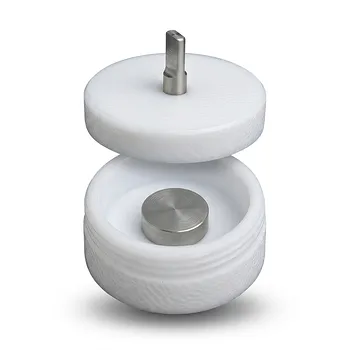
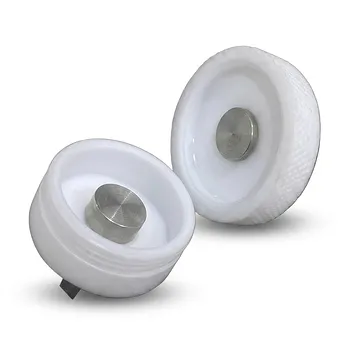
Electrolytic cells revolutionize wastewater treatment by utilizing electrical energy to drive chemical reactions that neutralize pollutants without the need for external reagents. These systems facilitate advanced oxidation, pathogen disinfection, and heavy metal recovery through direct electron transfer at the electrode surface. By eliminating the need for bulk chemical additives, they provide a modular, compact solution that minimizes sludge production and simplifies on-site industrial treatment.
Electrolytic cells offer a sustainable, chemical-free alternative to traditional wastewater treatment by enabling direct contaminant removal and resource recovery. When paired with advanced materials like graphene aerogels, they also function as high-precision sensors for real-time monitoring of trace pollutants.
Primary Mechanisms of Contaminant Removal
Heavy Metal Recovery through Electrowinning
Electrolytic cells are highly effective at recovering dissolved heavy metals from industrial streams through a process known as electrowinning. This involves the migration of metal ions to the cathode, where they are reduced and deposited as solid metal.
This method is particularly valuable for the metal finishing industry, as it allows for the reclamation of valuable materials rather than simply disposing of them as waste. It effectively transforms a hazardous byproduct into a reusable or sellable resource.
Electroflotation for Oil-Water Separation
In petroleum and industrial effluents, electrolytic cells facilitate electroflotation to separate oils and suspended solids from water. The process generates fine gas bubbles through the electrolysis of water, which attach to contaminants and lift them to the surface.
This approach provides a more uniform bubble size compared to mechanical aeration, leading to higher separation efficiency. It is a critical component for treating petroleum effluents where traditional filtration might be prone to clogging.
Electrochemical Advanced Oxidation and Disinfection
The system drives electrochemical advanced oxidation, which generates highly reactive species to break down complex organic pollutants. These species aggressively attack molecular bonds, converting toxic substances into biodegradable compounds or harmless carbon dioxide.
Simultaneously, the electrical field and generated oxidants achieve pathogen inactivation. This dual-action capability makes electrolytic cells ideal for secondary treatment phases where disinfection is paramount.
Advanced Detection and Monitoring
Leveraging Graphene Aerogels for Sensing
Beyond treatment, customized electrochemical cells can be used for the detection of trace contaminants. By incorporating graphene aerogels into the working electrode, sensors benefit from high conductivity and extreme surface area.
These materials enhance the electrocatalytic activity of the cell, allowing for the identification of pollutants at very low concentrations. This high sensitivity is essential for maintaining regulatory compliance in sensitive ecosystems.
The Importance of Precision Geometry
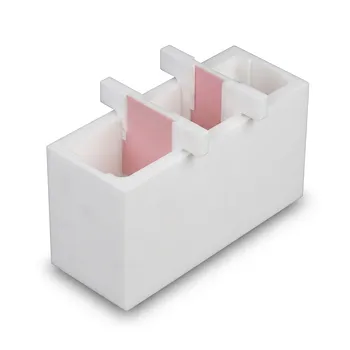
For effective sensing and consistent treatment, the precise geometric positioning of the working, reference, and counter electrodes is critical. Even minor shifts in electrode spacing can alter the electrical field and compromise the accuracy of the data.
Stable positioning ensures that the liquid junction potentials remain constant during the monitoring process. This technical precision is what allows electrolytic sensors to distinguish between similar chemical species in a complex waste stream.
Engineering for Harsh Environments
Chemical Resistance with Fluoropolymers
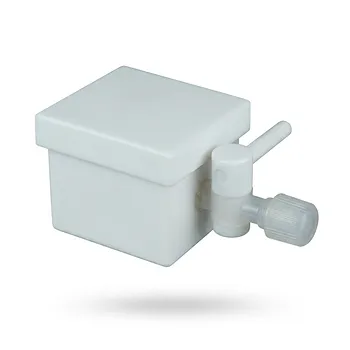
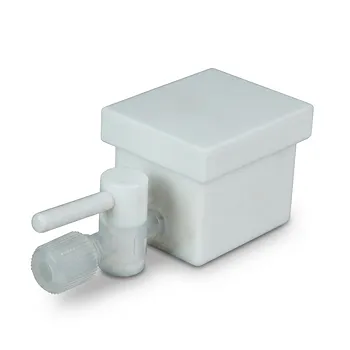
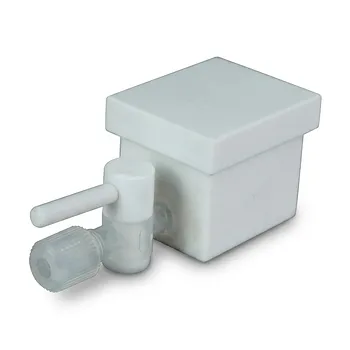
Wastewater often contains aggressive chemicals that can degrade standard equipment. Utilizing cell bodies and electrode holders machined from fluoropolymers ensures the system can withstand these complex electrolyte environments.
Fluoropolymers provide the necessary chemical inertness to prevent the housing itself from contaminating the sample. This choice of material is vital for the longevity of industrial treatment trains that handle corrosive effluents.
Modular and Compact Integration
Electrolytic systems are inherently modular, allowing them to be scaled up or down based on the volume of wastewater. Their compact footprint makes them easy to integrate into existing facilities where space is a premium.
This "plug-and-play" nature reduces the need for extensive civil engineering or large-scale infrastructure overhauls. It allows industrial sites to treat water on-site, reducing transportation costs and environmental risks.
Understanding the Trade-offs
Energy Consumption vs. Reagent Costs
While electrolytic cells eliminate the cost of purchasing and storing chemicals, they require a constant electrical power supply. The economic viability of the system often depends on the local cost of electricity versus the cost of chemical disposal.
Electrode Fouling and Passivation
A significant challenge in electrolytic treatment is electrode fouling, where contaminants or minerals build up on the electrode surface. This layer increases electrical resistance and reduces the efficiency of the chemical reactions, requiring periodic cleaning or replacement.
Material and Machining Expenses
High-precision cells, especially those requiring fluoropolymer machining and advanced nanomaterials like graphene, involve higher initial capital costs. These expenses must be weighed against the long-term benefits of increased sensitivity and reduced sludge handling.
Making the Right Choice for Your Goal
When integrating electrolytic technology into a wastewater strategy, the specific objectives will dictate the system design.
- If your primary focus is resource recovery: Prioritize electrowinning configurations that optimize the surface area of the cathode for maximum metal deposition.
- If your primary focus is environmental compliance for trace toxins: Invest in graphene aerogel-enhanced sensors and precision-machined cell bodies to ensure accurate detection and removal.
- If your primary focus is reducing operational footprint: Implement modular electrochemical oxidation units that can be integrated directly into your existing treatment line without additional tanks.
By selecting the appropriate electrochemical configuration, organizations can achieve a more sustainable, efficient, and precise approach to wastewater management.
Summary Table:
| Mechanism | Primary Function | Industrial Value |
|---|---|---|
| Electrowinning | Heavy metal recovery | Converts hazardous waste into reusable resources |
| Electroflotation | Oil-water separation | High-efficiency removal of suspended solids via fine bubbles |
| Advanced Oxidation | Organic pollutant breakdown | Neutralizes toxic substances without external chemical reagents |
| Electrochemical Sensing | Trace contaminant detection | Precision monitoring using graphene-enhanced electrodes |
| Fluoropolymer Housing | Corrosion resistance | Ensures durability in aggressive electrolyte environments |
Optimize Your Electrochemical Systems with KINTEK
Take your wastewater treatment and laboratory analysis to the next level with precision-engineered equipment from KINTEK. We specialize in high-performance fluoropolymer solutions designed to withstand the most aggressive chemical environments.
From everyday essentials like PTFE and PFA beakers, digestion tubes, and reagent bottles to complex fluid transfer components (tubing, fittings, valves) and sample prep tools, we provide the durability your lab demands. For specialized applications, KINTEK manufactures advanced electrochemical cells, battery testing fixtures, and hydrothermal synthesis liners, all backed by our end-to-end custom CNC fabrication capabilities.
Whether you require high-volume standard consumables or bespoke, non-standard machined parts, KINTEK delivers the absolute focus on high-purity materials your research deserves.
Contact KINTEK Today to Discuss Your Custom Requirements
Related Products
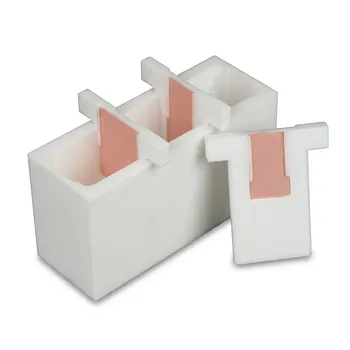
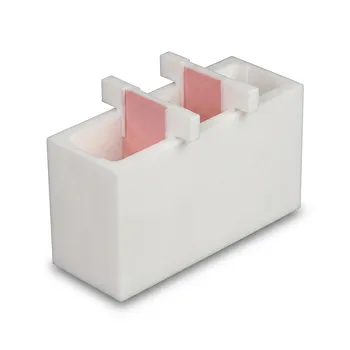
- White PTFE Electrolytic Cell with Movable Slider and Insulated Lid for Fluorine Corrosion Resistance
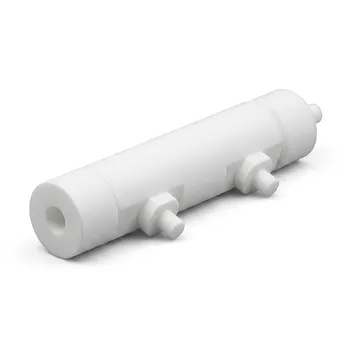
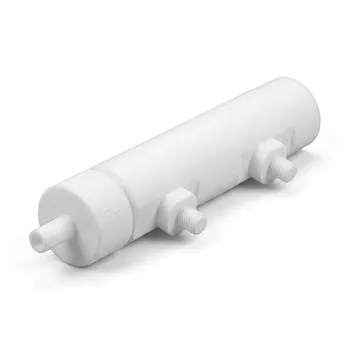
- Custom PTFE Electrolytic Cell Corrosion Resistant Low Background Reaction Vessel with Inlet Outlet Ports
- High Purity Custom PTFE Reaction Cell Electrolytic Tank for Semiconductor and Polysilicon Industrial Applications
- Square PTFE Electrochemical Cell for Silicon Wafer Processing and Hydrofluoric Acid Resistance in Semiconductor and New Energy Research
- Customizable PFA Square Tray Corrosion Resistant High Temperature Large Petri Dish Electrolytic Cell
People Also Ask
- What makes PTFE an ideal construction material for custom electrochemical cells and electronic analytical instrumentation housings? Discover superior chemical resistance and electrical insulation
- How do custom PTFE electrochemical cells improve the accuracy of stability testing for alkaline catalysts compared to glass cells?
- How does the hydrophobicity of PTFE benefit electrochemical measurements? Enhance Stability and Precision in Your Lab
- How are electrolytic cells utilized in the Hall-Héroult process? Optimizing Purity and Energy Efficiency
- What are the primary components required for the construction of a standard electrolytic cell? Essential Hardware Guide