Ammonium persulfate (APS) starts the chain reaction that converts tetrafluoroethylene (TFE) into PTFE. In aqueous polymerization, APS decomposes to sulfate-derived free radicals, which attack TFE and initiate the growth of high-molecular-weight fluoropolymer chains. Its ammonium counterion is preferred over sodium or potassium because it avoids deliberately introducing alkali-metal ions into the polymerization system. This reaction behavior matters for laboratory supplies because ionic residues and leachables can compromise trace analytical measurements.
APS is valuable not simply because it initiates PTFE formation, but because it can do so with a lower risk of persistent metallic contamination. The initiator, monomer purity, reaction control, and resin purification must work together to produce labware with very low ionic and chemical leachables.
How APS Initiates TFE Polymerization
APS Generates Chain-Initiating Radicals
Ammonium persulfate decomposes in the aqueous reaction medium to form sulfate-derived radicals. These highly reactive species add to TFE molecules and create active chain ends from which successive TFE units can polymerize.
The result is the formation of PTFE chains with a fluorinated backbone and, under suitable conditions, high molecular weight. Molecular weight and chain regularity strongly influence the material's mechanical strength, chemical resistance, and processing behavior.
Initiator Chemistry Affects Polymer Purity
An initiator does not merely determine whether polymerization starts. Its decomposition products and the groups attached to growing polymer chains can become part of the resin's impurity profile.
This is why APS is often selected instead of sodium persulfate or potassium persulfate. The latter introduce sodium or potassium counterions, creating a potential source of inorganic residues that may remain in or on the polymer unless they are effectively removed.
End Groups Are Part of the Residue Profile
Sulfate-derived species can be associated with the ends of newly formed polymer chains. During aqueous synthesis and subsequent processing, these end groups may undergo hydrolysis or other conversion reactions, producing oxygen-containing end groups such as carboxyl groups.
The practical objective is to prevent sulfur-containing or ionic species from persisting as mobile contaminants in the final resin. However, APS should not be described as an automatic guarantee of zero sulfur: the final result depends on reaction conditions, washing, purification, drying, and quality control.
Why This Matters for High-Purity Laboratory Supplies
Trace Analysis Is Sensitive to Ionic Leachables
Trace analysis can be affected by extremely small quantities of contaminant ions. Sodium, potassium, sulfate-derived species, or other mobile residues can contribute background signals, alter blanks, or interfere with analyte recovery.
PTFE vessels, beakers, digestion systems, and reagent containers are often chosen because they resist aggressive chemicals and contribute very little contamination. The resin's manufacturing history must support that performance.
Residue Control Protects Analytical Accuracy
A laboratory vessel can be chemically resistant yet still unsuitable for the most demanding analytical work if it releases trace contaminants. Residue-conscious initiator selection reduces one possible source of contamination before the polymer is even converted into finished labware.
This is especially important in workflows involving digestion, preconcentration, electrochemical measurements, and storage of high-purity reagents. The vessel must not become an unrecognized contributor to the sample's composition.
Low-Leachable Resin Supports Reproducible Workflows
Using an initiator system with fewer persistent metallic byproducts can help produce resin with a lower ionic-leachable profile. That supports cleaner blanks and more predictable results across repeated analytical runs.
The benefit is therefore indirect but important: APS chemistry contributes to the purity of the starting resin, while fabrication, cleaning, and validation determine whether the finished product meets its intended laboratory specification.
Polymerization Conditions Also Determine Purity
TFE Purity Controls Molecular Weight
Initiator choice is only one part of the purity equation. Hydrogen- or chlorine-containing impurities can act as chain-transfer agents, prematurely terminating growing chains and reducing molecular weight.
Trifluoroethylene is a particularly important example in the supplied references. Keeping such impurities at extremely low concentrations helps preserve the high molecular weight and chemical resistance expected from PTFE.
Oxygen Requires Strict Control
TFE polymerization is highly exothermic, and oxygen can promote unwanted reactions or dangerous autopolymerization. Thermal management and oxygen control are therefore essential for both process safety and consistent resin quality.
Poor control can produce local heating, decomposition, or structural defects. These outcomes may affect molecular weight, contamination levels, and the reliability of the final fluoropolymer product.
Purification Completes the Initiator Strategy
Selecting APS reduces the introduction of alkali-metal counterions, but it does not eliminate the need for resin washing and purification. Soluble salts, unreacted species, process chemicals, and end-group-derived products must be controlled through the full manufacturing process.
High-purity labware should consequently be evaluated using appropriate leachables, extractables, ionic contamination, and blank-contribution testing rather than inferred solely from the initiator identity.
Understanding the Trade-offs
APS Does Not Eliminate All Contamination Risks
APS can lower the risk of sodium or potassium residues, but ammonium persulfate still produces reactive sulfur-oxygen species during decomposition. Residual sulfur or sulfate-related material is a process-control issue, not something that disappears automatically.
Manufacturers must validate the actual resin and finished product. Claims such as “residue-free” should be understood as a tested performance result, not as an unconditional consequence of using APS.
End-Group Conversion Can Affect Surface Chemistry
Conversion of sulfate-derived end groups to carboxyl or other oxygen-containing groups may reduce persistent sulfur-containing residues, but it changes the chemical character of polymer chain ends. In most high-purity labware applications, the dominant PTFE backbone remains highly inert, yet end groups can still matter for surface behavior and extractables.
The significance depends on polymer molecular weight, end-group concentration, post-treatment, and the analytical sensitivity of the intended use.
Purity Can Conflict With Process Practicality
A highly controlled polymerization requires exceptionally pure TFE, carefully limited oxygen, stable thermal conditions, and effective purification. These controls increase process complexity and cost.
That cost is justified when the material is used in trace analysis or aggressive chemical processing, but less demanding applications may not require the same degree of resin and product qualification.
How to Apply This to Laboratory Supply Selection
The right evaluation should consider the complete resin and manufacturing process rather than APS in isolation.
- If your primary focus is trace-element analysis: Select labware supported by low-ionic-leachable and blank-contribution data, with particular attention to sodium, potassium, sulfate, and other relevant extractable species.
- If your primary focus is chemical resistance: Confirm that the PTFE or related fluoropolymer has the required molecular weight, structural integrity, and compatibility with the process chemicals.
- If your primary focus is digestion vessels: Require evidence that monomer purity, polymerization control, resin purification, and finished-vessel cleaning are managed consistently.
- If your primary focus is electrochemical or reagent-storage work: Evaluate the product's actual extractables and ionic contamination under conditions that match the intended reagents and exposure time.
APS provides a cleaner initiation route, but only disciplined control of the entire polymer-to-product process delivers genuinely high-purity analytical laboratory supplies.
Summary Table:
| Aspect | Role of APS | Significance for High-Purity Lab Supplies |
|---|---|---|
| Initiation | Decomposes to sulfate radicals, initiating TFE chain growth. | High molecular weight PTFE with strong mechanical/chemical properties. |
| Counterion Choice | Ammonium avoids alkali metals (Na, K) in resin. | Reduces ionic leachables that can interfere with trace analysis. |
| End Groups | Sulfate end groups may convert to carboxyl, affecting surface chemistry. | Proper purification minimizes residual sulfur/oxygen-containing species. |
| Process Control | Requires pure TFE, oxygen control, and purification. | Ensures consistent, low-contamination final products. |
| Risk Trade-offs | APS does not eliminate all residues; process validation needed. | Labware should be tested for extractables and blanks. |
Boost Analytical Accuracy with Ultra-Pure PTFE Labware
At KINTEK, we specialize in high-performance fluoropolymer products crafted from PTFE and PFA, exclusively dedicated to minimizing contamination. Our labware—from beakers and digestion vessels to fluid handling components—is manufactured under stringent purity controls to support your most sensitive trace analyses. Whether you need standard labware or custom electrochemical cells, our end-to-end CNC machining ensures precision and reliability. Don't let ionic residues compromise your results. Contact us today to discuss your requirements and elevate the integrity of your analytical workflows!
Related Products
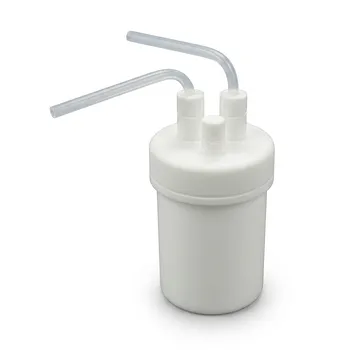
- Custom PTFE Continuous Reaction Bottles Virgin Fluoropolymer High Purity Low Background Synthesis Vessels
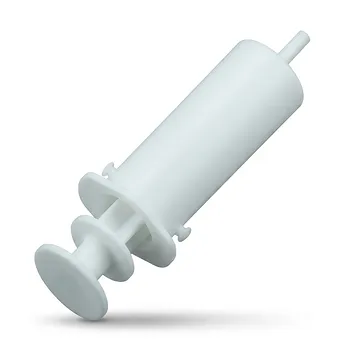
- High Purity Laboratory Grade PTFE Syringe Chemical Resistant Fluoropolymer Injector for Trace Analysis
- Corrosion Resistant PTFE Laboratory Material Scoop for Biopharmaceutical Use Non Stick Easy Clean Fluoropolymer Shovel
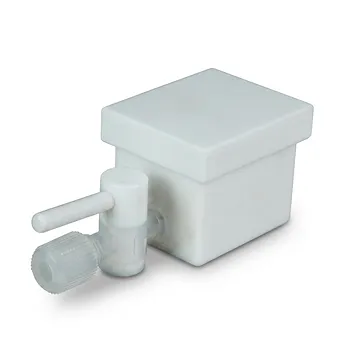
- Custom PTFE Corrosion Resistant Insulating Electrophoresis Reaction Cell with Septum and Valves for Low Background Trace Analysis
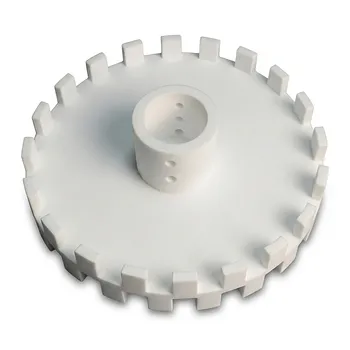
- Customizable PTFE Reaction Vessel with Electric Stirring Paddle and Buchner Funnel Vacuum Filtration System
People Also Ask
- What reaction vessel and fluid handling considerations are necessary for living cationic polymerization of fluorinated monomers involving Lewis acid catalysts? Key design and safety tips
- Ion Activation Reaction Vessel Requirements: Why PTFE is Critical for Membrane Performance
- How do perfluorinated solvent environments influence the selection of reaction vessels and fluid handling components in nonaqueous emulsion polymerizations? Choose fluoropolymer materials.
- Why are high-purity PTFE or PFA reaction vessels recommended for the synthesis of PANI-TiC hybrid materials? - Guide
- Why are fluoroplastic (PTFE) reaction vessels recommended for Methylene Blue (MB) adsorption kinetic experiments?