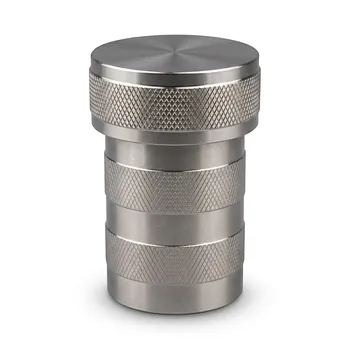
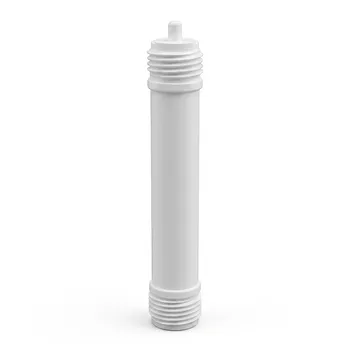
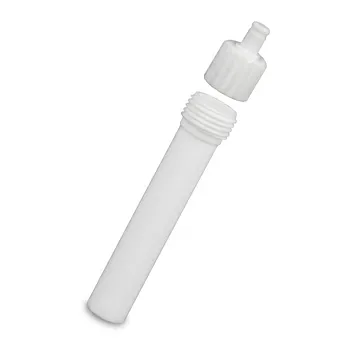
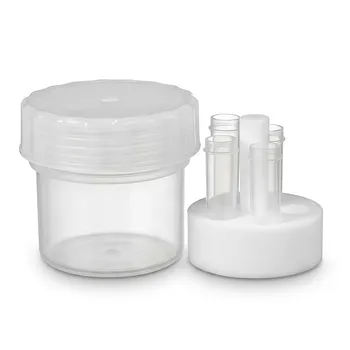
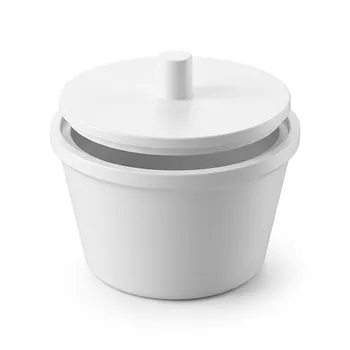
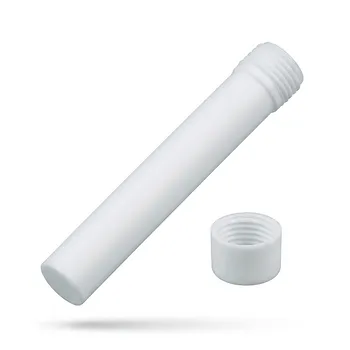
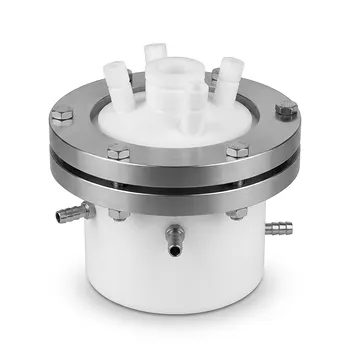
The hydrothermal synthesis autoclave and its fluoroplastic liner act as a pressurized chemical reactor and a protective barrier, respectively. These tools are essential for transforming corncob waste into Carbon Quantum Dots (CQDs) by providing the high-temperature and high-pressure conditions required for carbonization while preventing metallic contamination. This setup ensures that corncob residues undergo successful nucleation in acidic solutions to produce high-purity, fluorescent nanomaterials.
The autoclave serves as the engine for carbonization, while the PTFE/PFA liner acts as a shield. Together, they enable a controlled "bottom-up" synthesis process that converts complex biomass precursors into high-performance, contaminant-free Carbon Quantum Dots.
The Autoclave as a Controlled Reaction Environment
Achieving High-Pressure Pyrolysis
The autoclave provides a sealed environment that allows the reaction mixture to reach temperatures often exceeding the boiling point of the solvent. This high-pressure state is critical for the pyrolysis and dehydration of biomass like corncobs, which would not occur at standard atmospheric pressure.
Facilitating Multi-Stage Chemical Reactions
Within this pressurized vessel, corncob residues undergo a sequence of transformations: dehydration, polymerization, and carbonization. The stable environment ensures that these reactions proceed consistently, allowing for the controlled growth of nanoscale carbon structures.
Inducing Quantum Nucleation
The sustained heat and pressure facilitate the nucleation and growth of carbon nuclei from the precursor solution. This process is what creates the "quantum" aspect of CQDs, resulting in particles that exhibit quantum size effects and specific surface functional groups.
The Critical Role of PTFE and PFA Liners
Chemical Inertness Against Corrosive Precursors
In corncob-to-CQD synthesis, precursors are often mixed with acetic acid or other catalysts. PTFE (polytetrafluoroethylene) and PFA (perfluoroalkoxy) liners are exceptionally resistant to chemical corrosion, protecting the autoclave's steel body from aggressive acidic or alkaline environments.
Preventing Metal Ion Contamination
Without a liner, the reaction liquid would leach metal ions from the stainless steel reactor walls. The liner ensures a contaminant-free environment, which is vital for maintaining the high purity and stable optical properties of the resulting nanomaterials.
Ensuring Fluorescence Quantum Yield
The presence of metallic impurities can quench fluorescence or alter the surface chemistry of the dots. By using a high-purity liner, researchers ensure the superior fluorescence quantum yield and consistent performance of the CQDs.
Understanding the Trade-offs and Constraints
Temperature and Pressure Limitations
While effective, PTFE liners typically have a maximum operating temperature of 200°C. Exceeding these limits can lead to liner deformation (creeping) or the release of toxic fumes, which necessitates strict monitoring of the thermal cycle.
Thermal Lag and Cooling Rates
The thick walls of the stainless steel autoclave combined with the insulating properties of the PTFE liner create thermal lag. This means the internal reaction temperature may take significant time to reach the setpoint and equally long to cool, affecting the precision of the nucleation timing.
Reusability and Cross-Contamination
Fluoroplastic liners are porous at a microscopic level and can absorb trace amounts of previous reactions. To maintain high-purity synthesis, liners must be subjected to rigorous cleaning protocols (such as acid washing) or dedicated to specific precursor types.
Making the Right Choice for Your Synthesis Goal
The success of biomass-derived CQD production depends on matching your equipment to your specific chemical path.
- If your primary focus is High Fluorescence Purity: Utilize a high-purity PFA liner, as it offers a smoother surface and lower porosity than standard PTFE, minimizing potential contamination.
- If your primary focus is High-Yield Carbonization: Ensure your autoclave is rated for at least 200°C to fully facilitate the pyrolysis and dehydration of the lignin and cellulose found in corncob waste.
- If your primary focus is Acid-Catalyzed Synthesis: Check the integrity of the liner’s seal (the "O-ring" or gasket area) frequently, as acidic vapors can bypass a worn liner and corrode the outer steel jacket.
By masterfully balancing the pressurized environment of the autoclave with the chemical protection of the liner, you can efficiently transform agricultural waste into high-value functional nanomaterials.
Summary Table:
| Component | Role in CQD Synthesis | Key Performance Benefit |
|---|---|---|
| Autoclave Vessel | High-pressure reactor | Enables pyrolysis and dehydration of biomass |
| PTFE/PFA Liner | Protective barrier | Prevents metal ion contamination and corrosion |
| Sustained Heat | Thermal catalyst | Induces nucleation and controls particle size |
| Sealed Environment | Closed system | Facilitates consistent carbonization and growth |
Elevate Your Nanomaterial Synthesis with KINTEK
Precision in Carbon Quantum Dot (CQD) production demands a contaminant-free environment. KINTEK provides the high-performance fluoropolymer tools necessary to ensure superior fluorescence and purity. From everyday basic labware like beakers, crucibles, and reagent bottles to specialized hydrothermal synthesis liners and microwave digestion vessels, we manufacture a comprehensive range of PTFE and PFA laboratory supplies.
Whether you need standard filtration tools, tubing, and valves or bespoke laboratory setups crafted via end-to-end custom CNC fabrication, KINTEK is your partner for high-volume or complex non-standard parts. Our absolute focus on high-performance materials ensures your research remains free from metallic interference.
Ready to optimize your biomass-to-nanomaterial workflow? Contact us today to discuss your custom labware needs!
References
- Wajeeha Qayyum, Ghulam Mustafa. Robust ternary system of corncob-derived carbon quantum dots/ ZnFe2O4/graphene oxide for wastewater treatment. DOI: 10.1186/s13065-025-01462-w
This article is also based on technical information from Kintek Knowledge Base .
Related Products
- PTFE Lined High Pressure Digestion Vessel 50ml High Temperature Hydrothermal Synthesis Tank
- High Temperature Corrosion Resistant Hydrothermal Synthesis Reactor with TFM Inner Liner and Straight Cylinder Design
- Custom TFM Reaction Vessel with Stainless Steel Jacket and PTFE Inner Cup for High Corrosion Resistance
- High Purity PTFE Microwave Digestion Vessel for Soil and Food Analysis Acid Resistant Fluoropolymer Sample Preparation Liners
- PTFE Acid Steam Cleaning System HF Resistant Trace Analysis Beaker Digestion Tank Customizable
People Also Ask
- What are the benefits of using a PTFE-lined vessel for carbon-sulfur cathode treatment? Maximize Purity & Performance
- Why are PTFE-lined pressure digestion vessels required for the preparation of Ag/CeO2 catalysts? Purity & Performance
- What is the function of high-pressure PTFE digestion vessels in mineral analysis? Optimize Sample Mineralization
- What safety features are typically incorporated into high-pressure PTFE digestion vessel designs? Ensure Lab Safety
- What is the function of PTFE lined high-pressure vessels in g-C3N4 synthesis? Achieve High-Purity Material Growth