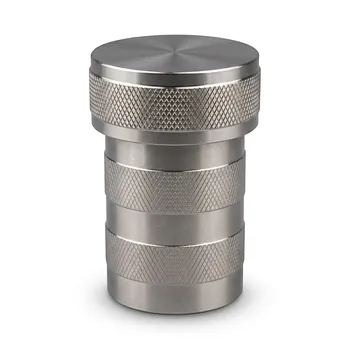
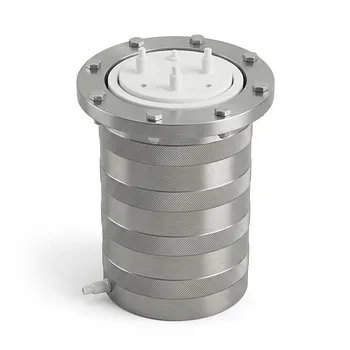
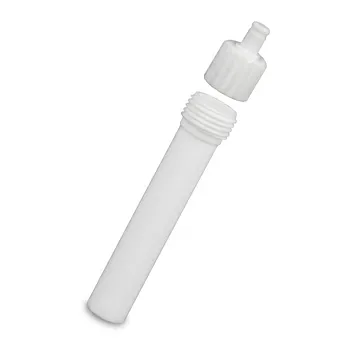
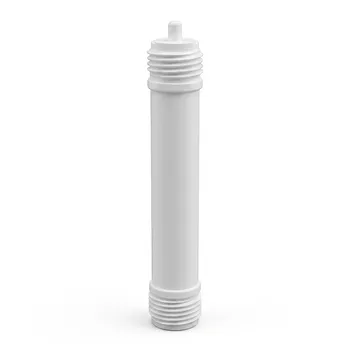
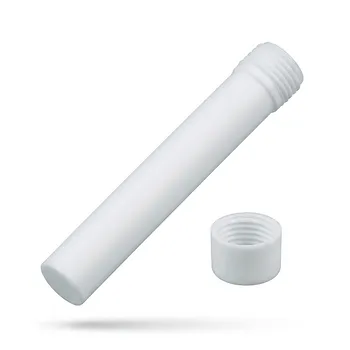
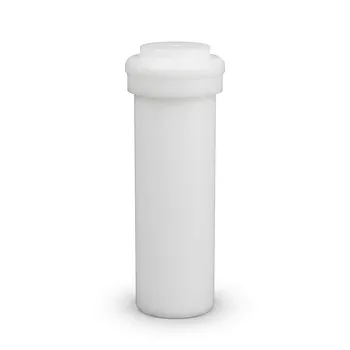
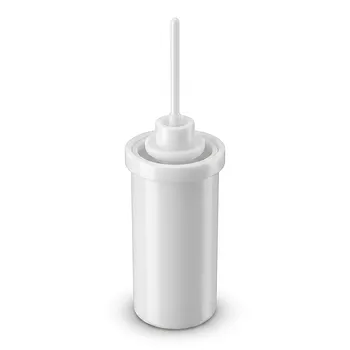
In the hydrothermal synthesis of SnO2 nanomaterials, high-purity PTFE or PFA liners serve as the critical reaction interface. These liners provide a chemically inert and sealed environment that withstands the high temperatures and autogenous pressures required for crystallization. By isolating the reaction solution from the metallic autoclave body, they prevent corrosion of the equipment and eliminate the risk of metal ion contamination, ensuring the high purity and controlled morphology of the resulting SnO2 nanoparticles.
Core Takeaway: PTFE and PFA liners are indispensable for SnO2 synthesis because they maintain a contamination-free environment while resisting the aggressive chemical precursors and extreme physical conditions necessary to produce high-performance nanocrystals.
Maintaining Chemical Purity and Structural Integrity
Prevention of Metal Ion Leaching
The primary role of these liners is to act as a barrier between the precursor solution and the stainless steel walls of the autoclave. Without this isolation, metal ions from the reactor shell could leach into the solution, poisoning the SnO2 crystal lattice. This is vital for producing tetragonal rutile structured SnO2 nanoparticles that require high phase purity for electronic or catalytic applications.
Resistance to Corrosive Precursors
Hydrothermal synthesis of SnO2 often involves the use of strong acids or highly concentrated alkaline solutions, such as NaOH. Fluoropolymer liners like PTFE and PFA exhibit exceptional resistance to these corrosive media, which would otherwise degrade metallic vessels. This resistance ensures that the chemical environment remains stable throughout the entire reaction duration.
Ensuring Surface Cleanliness and Recovery
The non-stick nature of high-purity fluoropolymers prevents the synthesized micro- and nano-powders from adhering to the vessel walls. This characteristic facilitates the efficient recovery of the product after the reaction is complete. Furthermore, the low impurity leaching rate of high-purity grades ensures that the particle surfaces remain free of unintended adsorbents.
Facilitating Controlled Crystallization and Morphology
Withstanding High Temperature and Pressure
Hydrothermal processes rely on "autogenous pressure" generated by heating a sealed liquid above its boiling point. PTFE and PFA liners are designed to maintain a tight seal under these conditions, allowing for the controlled nucleation and growth of SnO2. This stable environment is necessary to achieve specific characteristics, such as small particle sizes of approximately 5 nm.
Influencing Catalytic Activity
The high-purity environment provided by these liners allows for the intentional creation of lattice defects and high-activity surfaces. These defects are essential for enhancing the Faraday efficiency of SnO2 when used as a nanocatalyst for electrochemical carbon dioxide reduction. By eliminating random impurities, researchers can more precisely tune the electrochemical properties of the material.
Support for Specific Crystal Orientations
The chemical inertness of the liner ensures that the growth kinetics are dictated solely by the precursors and temperature. This allows for the preparation of SnO2 nanomaterials with uniform morphology and specific crystal growth orientations. Consistency in these orientations is a prerequisite for high-performance applications in gas sensing and energy storage.
Understanding the Trade-offs and Limitations
Temperature Constraints
While PTFE and PFA are robust, they have definitive thermal limits, typically around 220°C to 250°C. Exceeding these temperatures can lead to the "creep" or deformation of the liner, potentially compromising the seal or causing the liner to become stuck in the autoclave. For synthesis requiring extreme temperatures above 260°C, alternative materials or specialized high-temp grades must be used.
Mechanical Wear and Deformation
Under repeated high-pressure cycles, fluoropolymer liners can undergo physical deformation. If a liner is not properly cooled or if the pressure is released too rapidly, it may crack or lose its ability to seal effectively. Regular inspection for "pitting" or discoloration is necessary, as these signs indicate that the material's integrity is compromised and could lead to sample contamination.
How to Apply This to Your Project
Recommendations for Material Selection
- If your primary focus is Maximum Chemical Purity: Opt for high-purity PFA liners, as PFA generally offers lower trace-metal leaching profiles and a smoother surface finish than standard PTFE.
- If your primary focus is Routine SnO2 Synthesis: Utilize standard high-purity PTFE liners, which offer an excellent balance of chemical resistance and cost-effectiveness for most hydrothermal temperatures up to 200°C.
- If your primary focus is High-Activity Catalysis: Ensure the liner is thoroughly acid-washed between uses to prevent cross-contamination of precursors that could alter the delicate lattice defects of the SnO2 nanoparticles.
By carefully selecting and maintaining these fluoropolymer liners, you ensure the production of SnO2 nanomaterials that meet the rigorous standards required for advanced technological applications.
Summary Table:
| Feature | High-Purity PTFE Liners | High-Purity PFA Liners |
|---|---|---|
| Temperature Limit | Up to 220°C - 250°C | Up to 220°C - 250°C |
| Chemical Resistance | Excellent (Acids & Alkalis) | Superior (Lower trace leaching) |
| Surface Properties | Non-stick & hydrophobic | Ultra-smooth & easy recovery |
| Best Application | Routine SnO2 synthesis | High-activity catalysis & electronics |
Elevate Your Nanomaterial Synthesis with KINTEK
At KINTEK, we specialize in the engineering and manufacturing of high-performance fluoropolymer laboratory supplies. Whether you are conducting routine SnO2 synthesis or advanced electrochemical research, our high-purity PTFE and PFA liners provide the critical, contamination-free environment your projects demand.
From everyday labware like beakers, crucibles, and centrifuge tubes to advanced components like hydrothermal synthesis liners, microwave digestion vessels, and custom electrochemical cells, we offer everything you need for precise fluid transfer and sample preparation. Our end-to-end custom CNC fabrication allows us to deliver bespoke laboratory setups and complex non-standard parts tailored to your unique specifications.
Ready to optimize your lab's performance? Contact us today to discuss your custom requirements and discover how KINTEK’s absolute focus on high-performance fluoropolymers can bring value to your next synthesis project.
References
- Alok Tiwari, Gourang Damle. Advancements in SnO2-based nanomaterials for efficient dye removal from wastewater. DOI: 10.1007/s43621-025-01524-y
This article is also based on technical information from Kintek Knowledge Base .
Related Products
- High Temperature Corrosion Resistant Hydrothermal Synthesis Reactor with TFM Inner Liner and Straight Cylinder Design
- PTFE Lined High Pressure Digestion Vessel 50ml High Temperature Hydrothermal Synthesis Tank
- High Pressure Custom TFM Reactor Stainless Steel Outer Vessel PTFE Inner Cup for Corrosive Synthesis
- High Purity PTFE Microwave Digestion Vessel Replacement Liner for Acid Sample Preparation and Trace Analysis
- High Purity PTFE Microwave Digestion Vessel for Soil and Food Analysis Acid Resistant Fluoropolymer Sample Preparation Liners
People Also Ask
- What is the role of a corrosion-resistant reactor in the synthesis of lignin-based carbon dots? Ensure Maximum Purity
- What are the technical advantages of using hydrothermal synthesis reactors for advanced electronic & optical nanomaterials?
- How does a hydrothermal synthesis reactor facilitate the production of crystalline materials with tailored morphologies? Precision Crystal Growth
- Why is the sealing reliability of a hydrothermal synthesis reactor critical for 24-hour cycles? Ensure Nano-Precision
- What role do hydrothermal synthesis reactors play in CQD preparation? Achieve High-Purity Nanomaterial Synthesis