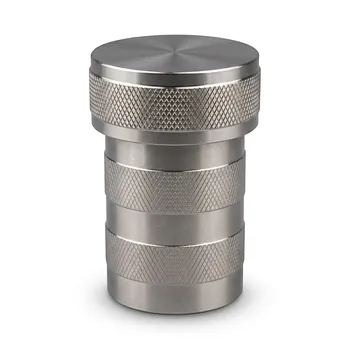
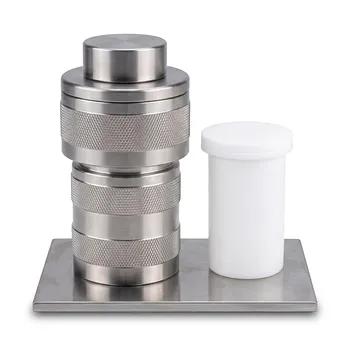
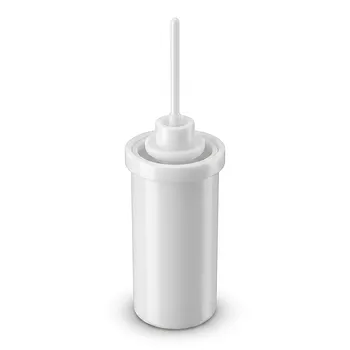
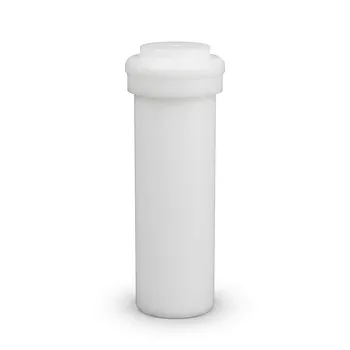
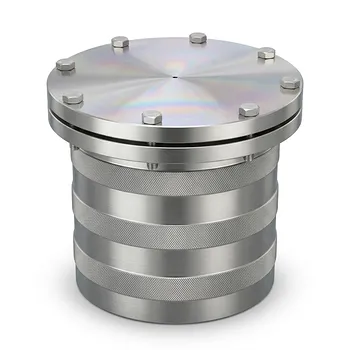
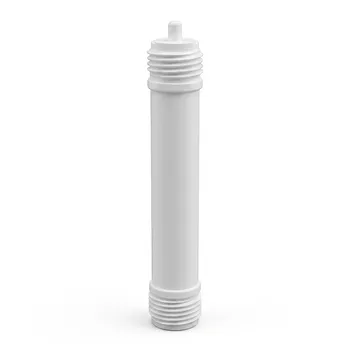
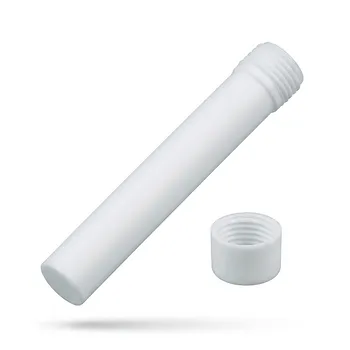
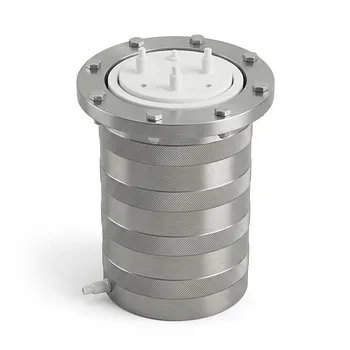
High-pressure hydrothermal synthesis liners are the critical component that enables the expansion of MXene layers and the subsequent growth of secondary materials. These liners create a sealed, high-pressure environment that overcomes the strong interplanar Van der Waals forces holding MXene sheets together, allowing organic intercalants to penetrate the structure. This controlled micro-environment is essential for increasing the kinetic energy of intercalants and providing the subcritical conditions necessary for anchoring functional nanomaterials to the MXene surface.
Core Takeaway: Hydrothermal liners serve as a pressurized "nanoreactor" that facilitates the deep insertion of organic molecules and the uniform growth of heterostructures by maintaining high temperatures and chemical stability under extreme pressure.
Overcoming Physical Barriers in MXene Layers
Overcoming Interplanar Van der Waals Forces
The primary challenge in creating MXene heterostructures is the tight stacking of the nanosheets due to Van der Waals forces. High-pressure liners allow the reaction environment to reach pressures that physically force the layers apart, creating the space necessary for organic intercalants to enter.
Increasing Intercalant Kinetic Energy
Under the high-pressure conditions maintained by the liner, the kinetic energy of organic intercalant molecules increases significantly. This surge in energy promotes more efficient and rapid insertion (intercalation) into the MXene galleries, which is a prerequisite for expanding the material for further modification.
Inhibiting Nanosheet Restacking
By providing a stable environment for intercalation, the liners help prevent the restacking of MXene layers. This ensures that the high specific surface area remains available for the nucleation of secondary materials, maintaining the integrity of the proposed heterostructure.
Enabling In-Situ Growth of Heterostructures
Achieving Subcritical Reaction Conditions
Liners allow solvents to reach temperatures well above their normal boiling points while remaining in a liquid state, creating subcritical conditions. These conditions are vital for the in-situ growth of materials like MoS2 or metal oxides directly onto the surface of MXene templates, such as Mo2CTx.
Promoting Uniform Nucleation
The closed, high-pressure environment facilitates the uniform nucleation and anchoring of nanoparticles. This results in a more homogeneous distribution of the secondary phase across the MXene layers, which is critical for efficient charge transfer in the final heterostructure.
Enhancing Etching and Synthesis Kinetics
In alkali-assisted methods, these liners support the high-temperature reactions required to remove the aluminum layer from MAX phase precursors. The pressurized micro-environment accelerates these etching kinetics, enabling the production of fluoride-free MXene which is often preferred for specific electronic applications.
Maintaining Chemical Purity and Safety
Corrosion Resistance Against Aggressive Media
Hydrothermal synthesis often involves highly corrosive agents like strong acids (HF, acetic acid) or alkalis (NaOH). Liners made from PTFE (Polytetrafluoroethylene) or PFA (Perfluoroalkoxy) are chemically inert, protecting the outer metal autoclave from structural failure and preventing metallic contamination of the MXene.
Providing a Clean and Non-Stick Interface
The non-stick surface of high-quality fluoropolymer liners minimizes the adhesion of the synthesized product to the vessel walls. This improves the recovery rate of the MXene heterostructures and ensures that the final material remains pure and free from environmental contaminants.
Thermal Stability and Pressure Sealing
High-performance liners, including those made of PPL (Polyphenylene), offer superior thermal stability at temperatures reaching 120°C to 250°C. Their ability to maintain a perfect seal under these conditions ensures that the autogenous pressure remains constant throughout the synthesis duration.
Understanding the Trade-offs
Temperature and Pressure Limitations
While PTFE liners are highly versatile, they have a strict thermal ceiling, typically around 250°C. Exceeding these limits can lead to liner deformation or "creeping," which may compromise the seal and cause dangerous pressure leaks or equipment damage.
Risk of Mechanical Failure
Repeated exposure to high-pressure cycles can cause microscopic cracks or fatigue in the liner material. If a liner fails during a run, the corrosive precursors can immediately attack the stainless steel autoclave, leading to catastrophic failure and safety hazards.
Cooling Rate Sensitivities
Rapid cooling of the hydrothermal reactor can cause the liner and the metal shell to contract at different rates. This differential contraction can lead to permanent warping of the liner, making it difficult to remove or reuse for future synthesis batches.
How to Apply This to Your Project
Recommendations for Material Synthesis
- If your primary focus is high-temperature stability (up to 250°C): Utilize high-purity PTFE liners to ensure chemical inertness and consistent pressure during the growth of metal sulfides.
- If your primary focus is resistance to acidic catalysts: Select PTFE or PPL liners, as they are specifically engineered to withstand aggressive media like 3 M acetic acid used in COF-MXene synthesis.
- If your primary focus is fluoride-free MXene production: Use alkali-resistant liners in a high-pressure setup to facilitate the efficient etching of the MAX phase at elevated temperatures.
The careful selection and maintenance of hydrothermal liners are the defining factors in successfully engineering high-performance MXene heterostructures with precision and safety.
Summary Table:
| Feature | Role in MXene Synthesis | Material Benefit |
|---|---|---|
| High-Pressure Containment | Overcomes interplanar Van der Waals forces | Facilitates organic intercalant penetration |
| Subcritical Conditions | Maintains liquid state above boiling points | Enables in-situ growth of secondary nanomaterials |
| Chemical Inertness | Resists aggressive HF and alkali etching | Prevents metallic contamination and liner failure |
| Non-Stick Surface | Minimizes material adhesion to vessel walls | Ensures high product recovery and purity |
| Thermal Stability | Supports reactions from 120°C to 250°C | Guarantees consistent kinetic energy for intercalation |
Elevate Your Nanomaterial Synthesis with KINTEK Expertise
Unlock the full potential of your material science research with high-performance fluoropolymer solutions from KINTEK. Whether you are constructing advanced MXene heterostructures or performing high-purity trace analysis, our specialized laboratory supplies—from PTFE and PFA hydrothermal synthesis liners and microwave digestion vessels to custom reaction apparatus—provide the chemical resistance and precision your projects demand.
From everyday basic labware and high-purity fluid transfer components to bespoke laboratory setups and complex non-standard machined parts, KINTEK utilizes end-to-end custom CNC fabrication to deliver exactly what you need. We maintain an exclusive focus on high-performance materials to ensure your lab achieves superior results with maximum safety.
Ready to optimize your synthesis workflow? Contact us today to discuss your custom requirements!
References
- Hanchen Xu, Li Song. Halogen Ion‐Mediated Hydrothermal Synthesis of Diverse MXenes with Tailored Heterostructures (Adv. Mater. 40/2025). DOI: 10.1002/adma.70713
This article is also based on technical information from Kintek Knowledge Base .
Related Products
- High Temperature Corrosion Resistant Hydrothermal Synthesis Reactor with TFM Inner Liner and Straight Cylinder Design
- PTFE Lined High Pressure Digestion Vessel 50ml High Temperature Hydrothermal Synthesis Tank
- Custom High Purity TFM Microwave Digestion Vessel 100ml Capacity Compatible Replacement Liner for Professional Analytical Instruments
- High Purity TFM Microwave Digestion Vessels for Trace Analysis and Custom Sample Preparation Systems
- Custom TFM Reaction Vessel with Stainless Steel Jacket and PTFE Inner Cup for High Corrosion Resistance
People Also Ask
- What is the role of a corrosion-resistant reactor in the synthesis of lignin-based carbon dots? Ensure Maximum Purity
- What are the technical advantages of using hydrothermal synthesis reactors for advanced electronic & optical nanomaterials?
- How does a hydrothermal synthesis reactor facilitate the production of crystalline materials with tailored morphologies? Precision Crystal Growth
- Why is the sealing reliability of a hydrothermal synthesis reactor critical for 24-hour cycles? Ensure Nano-Precision
- What role do hydrothermal synthesis reactors play in CQD preparation? Achieve High-Purity Nanomaterial Synthesis