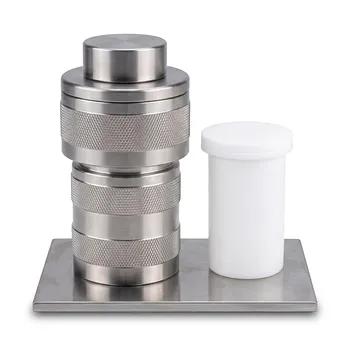
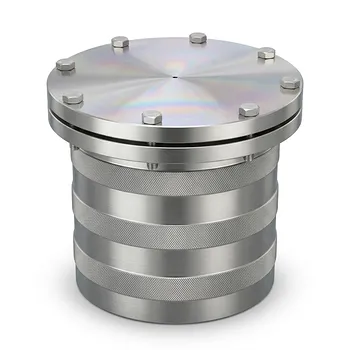
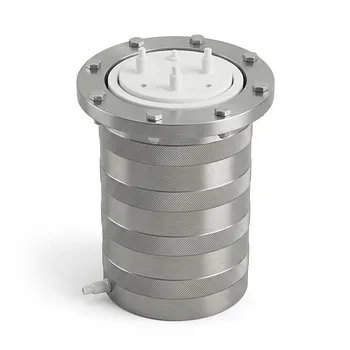
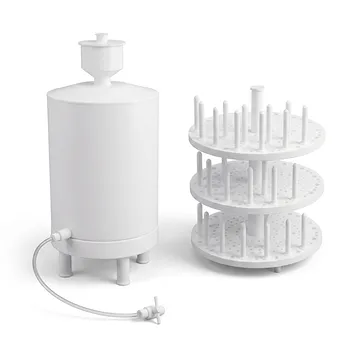
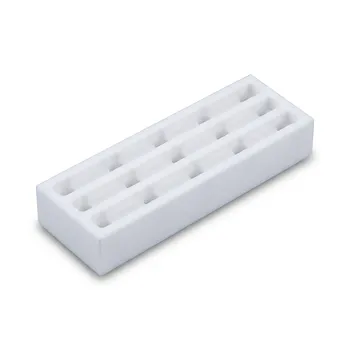
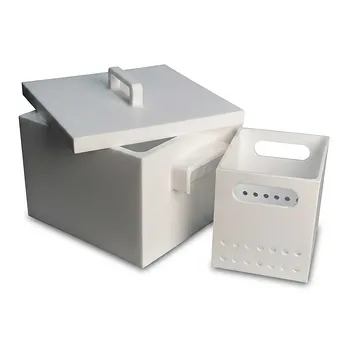
In the synthesis of nickel nanoparticle-graphene (NiNP@G) composites, high-pressure autoclaves with PTFE liners serve as the critical reaction environment for hydrothermal carbonization. These vessels enable the controlled dehydration of glucose at temperatures around 120°C, using autogenous pressure to transform precursors into uniform carbon-encapsulated structures. This process ensures that nickel nanoparticles are effectively anchored and shielded on the graphene support while maintaining the chemical integrity of the sample.
Core Takeaway: The PTFE-lined autoclave provides a dual-function environment: it generates the high-pressure conditions necessary to drive glucose carbonization at low temperatures and offers a chemically inert barrier that prevents metallic contamination from the reactor walls.
The Mechanics of Hydrothermal Pre-Carbonization
Accelerating Glucose Dehydration
The primary role of the high-pressure environment is to accelerate the dehydration and carbonization of glucose precursors. Under standard atmospheric conditions, these reactions would require significantly higher temperatures or longer durations.
The autogenous pressure generated within the sealed autoclave lowers the energy barrier for these transformations. This allows for the efficient conversion of glucose into a carbon matrix that encapsulates the nickel nanoparticles at a relatively modest 120°C.
Facilitating Uniform Structural Formation
Pressure plays a vital role in the uniform nucleation and growth of the carbon-encapsulated structures on the graphene surface. The enclosed system ensures that the reaction solution remains in a consistent state, promoting even distribution of the nickel species.
This uniformity is essential for creating a stable NiNP@G architecture. Without the pressurized environment, the resulting carbon coating might be irregular, leading to agglomeration of the nickel nanoparticles and reduced performance of the final material.
Restoring Graphene Connectivity
The hydrothermal environment also assists in the reduction of graphene oxide if used as a precursor. The pressurized conditions facilitate the removal of oxygen-containing functional groups from the graphene sheets.
By removing these groups, the autoclave helps restore the sp2 hybridized carbon network. This restoration is critical for maintaining high electrical conductivity and structural stability in the final composite.
The Essential Role of the PTFE Liner
Maintaining Chemical Purity
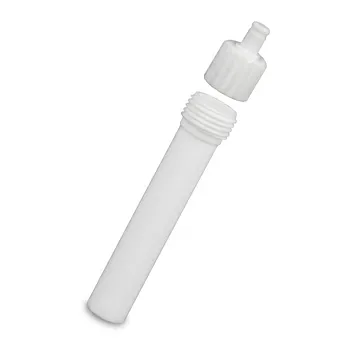
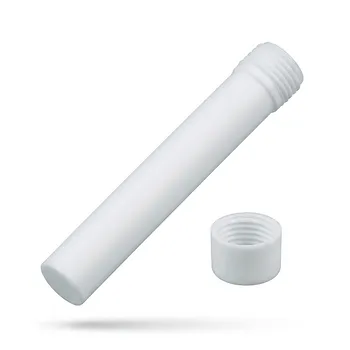
The Polytetrafluoroethylene (PTFE) liner acts as a sacrificial and protective barrier between the reaction solution and the stainless steel autoclave body. Its extreme chemical inertness prevents the leaching of metal ions (like iron or chromium) into the sample.
If the reaction occurred in direct contact with the metal vessel, metallic impurities could compromise the catalytic or magnetic properties of the NiNP@G. The PTFE liner ensures that the high purity of the synthesized nanoparticles is preserved.
Resistance to Corrosive Precursors
Many hydrothermal synthesis routes involve strong acids, alkalis, or reactive precursors like sodium hydroxide for pH adjustment. PTFE is uniquely suited for this role because it offers excellent resistance to a wide range of corrosive agents.
This resistance protects the structural integrity of the outer pressure vessel. It allows researchers to utilize aggressive chemical environments to tune the morphology of the nickel nanoparticles without damaging the equipment.
Non-Stick Surface for Sample Recovery
The non-stick properties of PTFE are a practical necessity in nanoparticle synthesis. Carbonized glucose and graphene-based materials tend to adhere strongly to metal surfaces, which can lead to significant sample loss.
The PTFE surface allows for the efficient recovery of the pre-carbonized material after the reaction is complete. This ensures that the yield remains high and that the vessel can be cleaned easily for subsequent batches.
Understanding the Trade-offs
Temperature Limitations
While PTFE is highly inert, it has a distinct thermal limit, typically around 220°C to 250°C. Exceeding these temperatures can cause the liner to soften, deform, or release toxic vapors.
For reactions requiring higher temperatures, researchers must switch to PFA liners or specialized metallic alloys. However, for the 120°C pre-carbonization of NiNP@G, PTFE remains the gold standard for cost and performance.
Pressure Management and Safety
The pressure inside the autoclave is autogenous, meaning it is generated by the heating of the solvent. If the vessel is overfilled, the resulting pressure can exceed the safety rating of the stainless steel shell.
Technicians must strictly adhere to filling degree limits (usually 60-80%) to prevent catastrophic failure. Balancing the need for pressure to drive carbonization with the safety limits of the vessel is a critical operational constraint.
Applying This to Your Synthesis Goals
Strategic Recommendations
- If your primary focus is high purity: Always inspect the PTFE liner for scratches or discoloration, as these can harbor contaminants from previous reactions.
- If your primary focus is structural uniformity: Ensure the autoclave is heated at a consistent rate to promote uniform nucleation of carbon on the graphene sheets.
- If your primary focus is scale-up: Use multiple medium-sized autoclaves rather than one oversized vessel to ensure consistent heat distribution and pressure throughout the reaction volume.
By leveraging the unique synergy of high-pressure kinetics and PTFE inertness, you can achieve the precise structural control required for high-performance nickel-graphene nanomaterials.
Summary Table:
| Feature | Role in NiNP@G Synthesis | Impact on Material Quality |
|---|---|---|
| High-Pressure Environment | Accelerates glucose dehydration at 120°C | Ensures uniform carbon encapsulation |
| PTFE Chemical Inertness | Prevents metallic leaching from vessel walls | Maintains high catalytic/magnetic purity |
| Non-stick Surface | Facilitates easy sample detachment | Maximizes yield of pre-carbonized material |
| Corrosion Resistance | Withstands aggressive pH-adjusting agents | Protects equipment during morphology tuning |
| Thermal Stability | Maintains integrity up to 220°C-250°C | Ideal for low-temp hydrothermal routes |
Achieve Unmatched Purity in Your Nanomaterial Synthesis
Precision in the lab starts with the right materials. At KINTEK, we specialize in high-performance fluoropolymer solutions tailored for the most demanding research environments. Whether you are performing hydrothermal synthesis of NiNP@G or complex trace analysis, our precision-engineered PTFE and PFA products ensure zero contamination and maximum durability.
Our Comprehensive Range Includes:
- Lab Essentials: High-purity beakers, crucibles, reagent bottles, and centrifuge tubes.
- Reaction Vessels: PTFE/PFA liners, microwave digestion vessels, and hydrothermal synthesis inserts.
- Fluid & Sample Prep: Tubing, valves, filtration tools, and high-precision pipettes.
- Advanced Apparatus: Custom-machined electrochemical cells, battery testing fixtures, and microchannel reactors.
From high-volume orders of standard consumables to bespoke CNC-fabricated components designed to your exact specifications, KINTEK is your end-to-end partner for fluoropolymer excellence.
Ready to optimize your reaction environment? Contact KINTEK today for expert advice and custom solutions.
References
- Zhe Jiang, Jin‐Song Hu. Micro/Nano‐Structured Superhydrophobic Gas Diffusion Electrode for Boosting the Stability of Industrial‐Compatible Electrochemical CO Production in Flow Cells. DOI: 10.1002/adfm.202401927
This article is also based on technical information from Kintek Knowledge Base .
Related Products
- PTFE Lined High Pressure Digestion Vessel 50ml High Temperature Hydrothermal Synthesis Tank
- Custom TFM Reaction Vessel with Stainless Steel Jacket and PTFE Inner Cup for High Corrosion Resistance
- High Purity PTFE Microwave Digestion Vessel Replacement Liner for Acid Sample Preparation and Trace Analysis
- High Purity TFM Microwave Digestion Vessels PTFE Acid Evaporation Liners Domestic GT-400 Equivalent Laboratory Reaction Containers
- High Pressure Custom TFM Reactor Stainless Steel Outer Vessel PTFE Inner Cup for Corrosive Synthesis
People Also Ask
- What are the benefits of using a PTFE-lined vessel for carbon-sulfur cathode treatment? Maximize Purity & Performance
- Why are PTFE-lined pressure digestion vessels required for the preparation of Ag/CeO2 catalysts? Purity & Performance
- What safety features are typically incorporated into high-pressure PTFE digestion vessel designs? Ensure Lab Safety
- What is the function of PTFE lined high-pressure vessels in g-C3N4 synthesis? Achieve High-Purity Material Growth
- Role of High-Pressure Digestion Tanks in Perovskite Synthesis: Achieve Superior Stability and Latent Heat