The internal conductive pathway within a PTFE battery clamp is primarily constructed from high-purity gold-plated copper or platinum.
These materials are selected for their ability to maintain low contact resistance while offering extreme resistance to chemical corrosion. Typically, these conductors are integrated as wires or rods with a diameter between 1 mm and 2 mm to ensure mechanical stability and efficient current flow.
Core Takeaway: The use of gold-plated copper or platinum within a PTFE housing creates a chemically inert, low-resistance connection that prevents battery chemistry contamination and ensures highly accurate electrochemical measurements.
Essential Materials for Conductive Pathways
The Use of Gold-Plated Copper
Gold-plated copper is a standard choice because it combines the high electrical conductivity of copper with the chemical nobility of gold. The gold layer acts as a barrier, preventing the copper core from alloying with or contaminating sensitive battery chemistries.
Platinum Wire and Rods
Platinum is often utilized in high-precision or highly corrosive environments due to its status as a noble metal. It provides a stable, non-reactive interface that remains consistent even during long-term electrochemical cycling.
Geometric Specifications
The conductive path typically maintains a diameter of 1 to 2 mm. This specific sizing provides a balance between robust mechanical strength and the delicate requirements of terminal positioning within a battery cell.
The Role of the PTFE Housing
Unrivaled Electrical Insulation
The PTFE (Polytetrafluoroethylene) body acts as the primary insulator, boasting a volume resistivity exceeding 10^18 Ω·cm. This ensures that electrical current is strictly confined to the internal pathway, preventing surface leakage or short-circuiting.
Chemical and Thermal Stability
PTFE is chosen for its near-total chemical inertness, which protects the internal conductor from aggressive electrolytes. This stability allows the clamp to maintain its structural integrity without leaching impurities into the electrochemical system.
Mechanical Reinforcement
While PTFE provides the insulation, some specialized clamps integrate PEEK or metal cores within the PTFE structure. These materials add the necessary mechanical rigidity to ensure a secure grip on the battery electrodes during testing.
Understanding the Trade-offs
Gold Plating Longevity
While gold-plated copper is cost-effective, the gold layer can eventually wear down or develop micro-fissures over time. Once the copper core is exposed, it may react with the electrolyte, potentially compromising the integrity of your data.
Cost vs. Chemical Purity
Platinum components offer the highest level of purity and durability but come at a significantly higher price point. For routine testing, gold-plated copper is usually sufficient, but platinum is the gold standard for high-fidelity research.
Mechanical Rigidity Limitations
Pure PTFE is relatively soft and can "creep" or deform under high pressure over time. Users must be careful not to over-tighten clamps, as this can lead to a loss of secure contact or permanent deformation of the insulating body.
Selecting the Right Material for Your Goal
To ensure the success of your electrochemical testing, choose your conductive pathway materials based on the specific demands of your project.
- If your primary focus is cost-effective routine testing: Gold-plated copper provides the necessary conductivity and short-term corrosion resistance for most standard applications.
- If your primary focus is long-term stability and high-purity research: Platinum conductors are the superior choice to prevent any risk of material leaching or degradation over extended periods.
- If your primary focus is high-voltage electrochemical isolation: Ensure the PTFE body is well-maintained and free of surface contaminants to leverage its high dielectric strength of 60 MV/m.
Selecting the appropriate conductor ensures that your measurements reflect the true performance of the battery chemistry rather than the limitations of the test fixture.
Summary Table:
| Component | Material Used | Primary Advantage | Best For |
|---|---|---|---|
| Conductive Path | Gold-Plated Copper | High conductivity + Corrosion barrier | Cost-effective routine testing |
| Conductive Path | Platinum (Wire/Rod) | Absolute chemical nobility | Long-term high-purity research |
| Housing/Insulator | PTFE | >10^18 Ω·cm volume resistivity | Preventing leakage & contamination |
| Core Reinforcement | PEEK or Metal | Enhanced mechanical rigidity | High-pressure clamping needs |
Elevate Your Electrochemical Research with KINTEK
Precision in battery testing starts with the purity of your fixtures. KINTEK specializes in high-performance fluoropolymer solutions, offering an exhaustive range of labware crafted from premium PTFE and PFA.
Whether you need standard lab essentials like beakers and reagent bottles or complex, custom CNC-fabricated components such as advanced electrochemical cells, battery testing fixtures, and electrode accessories, we deliver the chemical inertness and thermal stability your research demands.
Our Expertise Includes:
- Basic Labware: Beakers, crucibles, and high-purity trace analysis tools.
- Fluid Transfer: Precision tubing, fittings, and valves.
- Advanced Apparatus: Custom microwave digestion vessels and microchannel reactors.
- Custom Fabrication: Bespoke non-standard parts tailored to your unique specifications.
Don't let material degradation compromise your data. Contact KINTEK today to discuss your custom laboratory setup and discover how our absolute focus on high-performance materials can drive your innovation forward.
Related Products
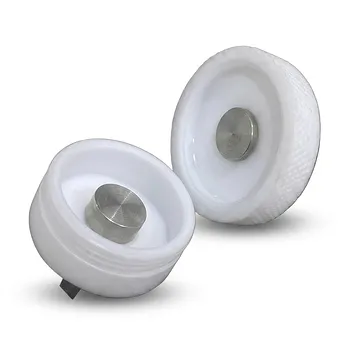
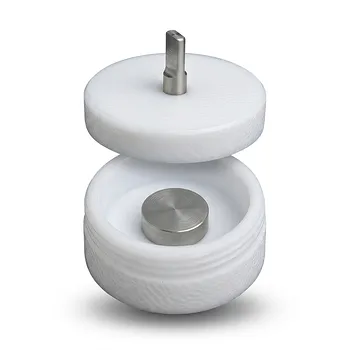
- Corrosion Resistant PTFE Coin Cell Battery Testing Clamps and Acid Proof Custom Fluoropolymer Battery Fixtures
- Acid Resistant PTFE Button Cell Battery Test Fixture Customizable Machining High Purity Electrochemical Testing Clamp
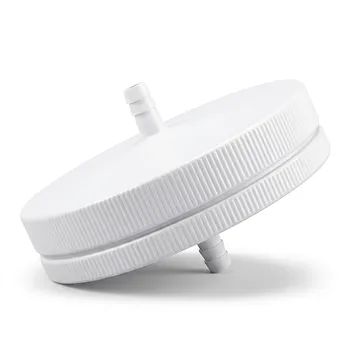
- PTFE Filter Membrane Holder for Hydrogen Chloride and Water Filtration 90mm Environmental Sampling Clamp Customizable
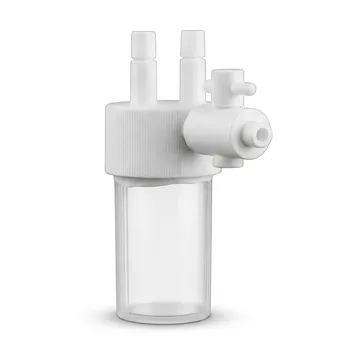
- Custom PTFE Reaction Lid with Integrated Valve and Fitting Corrosion Resistant No Leaching PFA FEP Bottle Cap System
- White PTFE Electrolytic Cell with Movable Slider and Insulated Lid for Fluorine Corrosion Resistance
People Also Ask
- What is the thermal operating range for PTFE battery clamps in electrochemical research? Stability from -200°C to +260°C
- What are the primary functions and material compositions of PTFE battery clamps? Ensure Precision & Chemical Resistance
- How do coin cell testing fixtures evaluate ZIF-derived LCO cycling stability? Ensure Battery Research Precision
- What are the electrical insulation and signal integrity advantages of using PTFE battery clamps? Ensure Data Accuracy
- How does the chemical inertness of PTFE benefit laboratory-scale battery testing? Ensure high-purity research results.