Fluoropolymers withstand extreme laboratory conditions because their molecular structure combines chemical inertness, thermal stability, low surface energy, and electrical insulation. In PTFE and PFA, fluorine atoms strongly bind to and shield the carbon backbone, making the materials highly resistant to aggressive acids, oxidizers, bases, and organic solvents. Their stability at elevated and changing temperatures, minimal moisture absorption, and low tendency to leach or react help preserve both vessel integrity and sample purity.
The key advantage of PTFE and PFA is that they remain chemically passive when glass, metals, or conventional plastics may be etched, corroded, softened, or contaminated. That combination makes them suitable for demanding reaction vessels, digestion systems, trace-analysis containers, and electrochemical cells.
Why Their Chemistry Resists Corrosion
The Fluorinated Carbon Backbone
The defining feature of PTFE and PFA is a carbon backbone surrounded by fluorine atoms. The strong carbon-fluorine bonding and protective fluorine layer make it difficult for external chemicals to attack the polymer structure.
This molecular shielding explains their resistance to many strong acids, aggressive organic solvents, and oxidizing environments. The material generally acts as an inert boundary rather than participating in the reaction it contains.
Resistance to Strong Acids and Solvents
Fluoropolymers are selected for applications involving corrosive reagents because they resist chemical degradation across a broad range of laboratory media. This is particularly important for digestion vessels and trace-analysis containers, where even minor vessel degradation can alter the sample.
PTFE and PFA are also valuable in systems involving hydrofluoric acid and fluoride-containing electrolytes. These solutions can rapidly etch glass, while metals may corrode or introduce unwanted ions or electrical pathways.
Low Leaching and Moisture Absorption
Minimal water absorption and low dissolution reduce the risk that the vessel will release material into a sample. This is essential in trace analysis, where contamination at very low concentrations can compromise the result.
The low chemical reactivity of the polymer also limits unwanted interactions between the container wall and reagents. Properly selected fluoropolymer components therefore help maintain high-purity conditions during storage, digestion, reaction, and transfer.
How They Handle Extreme Heat
Thermal Stability Across Wide Ranges
PTFE and PFA retain useful chemical and structural performance across broad temperature ranges, including elevated laboratory operating conditions. They are therefore used in heated digestion, reaction, and electrochemical systems where ordinary plastics may soften or degrade.
Thermal stability does not mean unlimited temperature capability. The allowable temperature depends on the specific grade, vessel geometry, pressure, exposure time, and mechanical load.
Resistance to Oxidative Degradation
Fluoropolymers have strong resistance to oxidation compared with many conventional organic polymers. This helps them endure combinations of heat and chemically aggressive reagents without rapidly embrittling, discoloring, or losing their protective function.
That property is especially useful when a reaction vessel must remain stable while exposed to heated acids, oxidizers, or solvent systems. It helps preserve containment over repeated operating cycles.
Thermal Cycling and Structural Integrity
Laboratory equipment may experience heating, cooling, and intermittent chemical exposure rather than one constant temperature. PTFE and PFA can maintain useful integrity through these changing conditions, provided the design accounts for expansion and mechanical loading.
PFA is often useful where melt-processable fluoropolymer parts, transparency, or greater fabrication flexibility are needed. PTFE is widely used where maximum chemical inertness, low friction, and broad temperature performance are central requirements.
Why They Protect Sensitive Samples
Low Surface Energy
Fluoropolymer surfaces have low surface energy, giving them non-wetting and non-sticking behavior. Reagents and samples are less likely to adhere strongly to the walls, which can reduce retention and simplify cleaning.
This characteristic is useful in trace analysis and fluid handling, where residual material from a previous process can become a source of cross-contamination.
Hydrophobic and Oleophobic Behavior
PTFE and related fluoropolymers resist wetting by water and many other fluids. Their hydrophobic and oleophobic surface behavior helps reduce fluid retention inside vessels, tubing, valves, and fittings.
The benefit is operational as well as chemical: less retained material can mean cleaner transfers, more complete recovery, and less carryover between analytical steps.
Non-Contaminating Containment
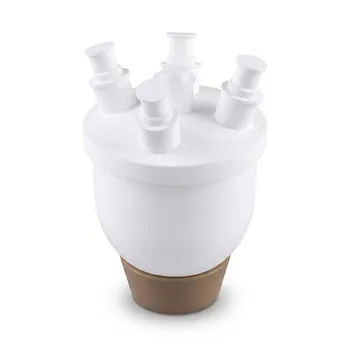
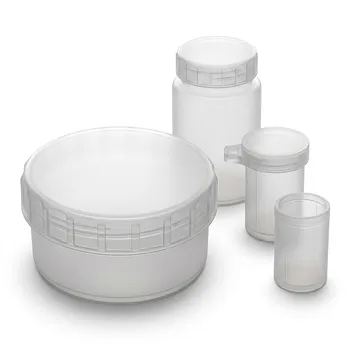
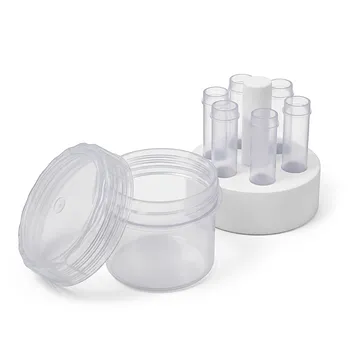
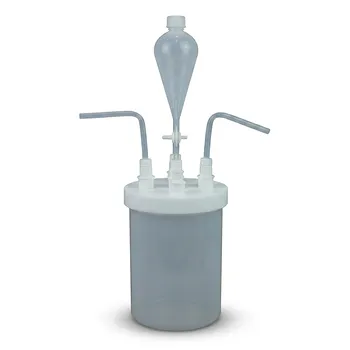
Because the polymer is chemically passive and has low leaching potential, it can provide a clean containment interface for high-purity samples. This is one reason fluoropolymers are common in digestion tubes, reagent bottles, crucibles, and custom-machined reaction apparatus.
The vessel material still needs to be appropriately manufactured, cleaned, and validated. Material purity and processing history matter alongside the base polymer chemistry.
Why They Suit Electrochemical Cells
Electrical Insulation
PTFE and PFA have high volume and surface resistivity, along with low dielectric constants. These properties allow them to serve as electrically insulating structural components around electrolytes and electrodes.
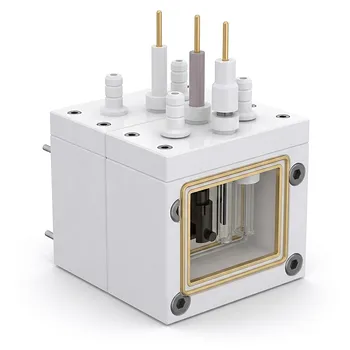
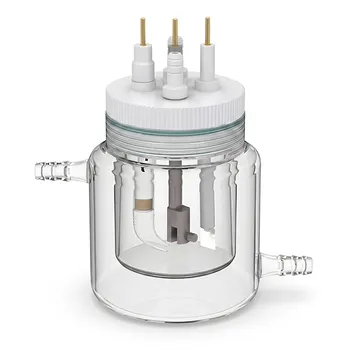
In an electrochemical cell, this can help prevent unintended current paths and electrical interference. Fluoropolymer covers, holders, skirts, and fittings can isolate components while maintaining chemical containment.
Compatibility With Aggressive Electrolytes
Electrochemical synthesis and fluoride-ion or strong-acid studies can combine corrosive media, electrical potential, and temperature variation. Fluoropolymers provide a chemically resistant framework where glass or exposed metals may be unsuitable.
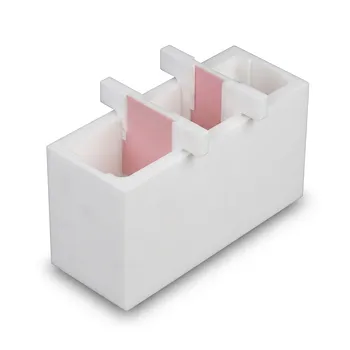
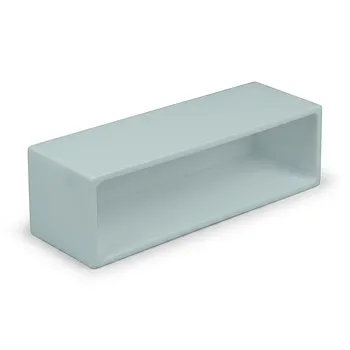
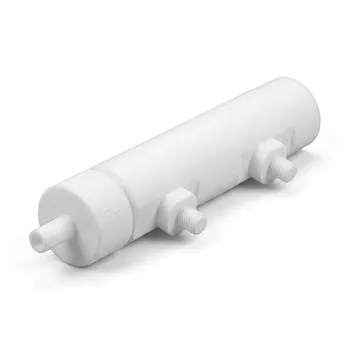
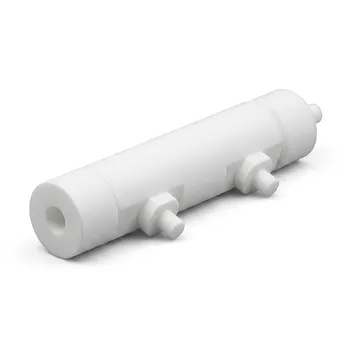
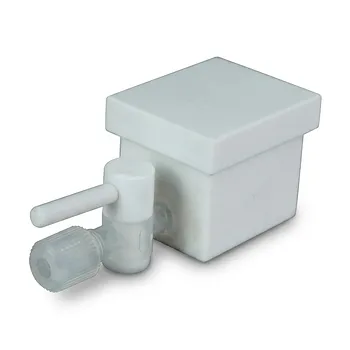
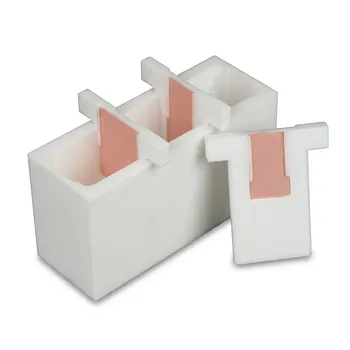
They can be used for custom cell bodies and components such as gas-separation structures, electrolyte-level holders, and precision-machined covers. The design must still account for seals, penetrations, electrode compatibility, and gas or fluid permeation.
Precision Fabrication
PTFE and PFA can be formed into laboratory components tailored to a particular cell or reaction system. Custom fabrication allows the material to provide both chemical isolation and the mechanical geometry required for complex experimental equipment.
This is particularly valuable when a standard vessel cannot provide the required electrode spacing, fluid path, gas separation, or sampling arrangement.
Understanding the Trade-offs
Chemical Resistance Does Not Eliminate Design Limits
PTFE and PFA are highly resistant materials, but no polymer is universally unaffected by every chemical, temperature, pressure, or exposure condition. Concentration, temperature, contact time, radiation, mechanical stress, and contamination from processing can change performance.
Compatibility should therefore be evaluated for the actual reagent mixture and operating profile rather than inferred from the polymer name alone.
Creep and Mechanical Loading
PTFE can deform gradually under sustained mechanical load, especially at elevated temperature. This behavior, often called creep, must be considered when designing pressure-containing vessels, threaded parts, seals, and clamped assemblies.
Fluoropolymer components are commonly strongest when their geometry, support structure, and temperature limits are designed together. Chemical resistance alone does not guarantee pressure-vessel suitability.
Thermal Expansion and Permeation
Fluoropolymers have relatively high thermal expansion compared with many metals and glasses. Temperature changes can therefore affect dimensions, seals, electrode alignment, and connections.
Their low chemical reactivity also does not mean zero permeation. Small molecules may migrate through some fluoropolymer structures, so gas separation, long-term storage, and vacuum applications require application-specific evaluation.
Surface Properties Can Affect Processing
Low adhesion makes fluoropolymers easy to clean, but it can also make bonding, coating, and permanent joining more difficult. Mechanical retention, specialized treatments, or carefully selected sealing methods may be required.
The same non-stick surface that protects sample purity can complicate assembly and repair.
Making the Right Choice for Your Goal
The material should be selected together with the vessel design, temperature, pressure, reagent composition, and purity requirements.
- If your primary focus is corrosion resistance: Use PTFE or PFA as the wetted containment material after verifying compatibility with the complete reagent mixture, particularly at elevated temperature.
- If your primary focus is trace analysis and sample purity: Prioritize high-purity fluoropolymer grades, controlled manufacturing, and validated cleaning procedures to minimize leaching and carryover.
- If your primary focus is heated digestion or reaction work: Evaluate the polymer's temperature rating, thermal cycling behavior, creep resistance, and mechanical support rather than relying on chemical resistance alone.
- If your primary focus is electrochemical cell construction: Use the electrical insulation and chemical inertness of PTFE or PFA to isolate the electrolyte and cell structure, while separately checking electrode, seal, pressure, and permeation requirements.
- If your primary focus is custom laboratory equipment: Consider PFA where melt processing, flexibility, or visibility is valuable, and PTFE where low friction, inertness, and broad service performance are the primary requirements.
PTFE and PFA are effective in severe laboratory environments because they combine chemical passivity, thermal resilience, low-contamination surfaces, and electrical insulation in one material family.
Summary Table:
| Property | Benefit for Lab Equipment |
|---|---|
| Chemical inertness | Resists acids, solvents, oxidizers; prevents contamination |
| Thermal stability | Withstands extreme temperatures and cycling |
| Low surface energy | Non-stick, easy to clean; minimizes cross-contamination |
| Electrical insulation | Essential for electrochemical cells; isolates components |
| Low leaching | Maintains sample purity in trace analysis |
Ensure your lab's demanding equipment meets the highest standards of purity and durability. At KINTEK, we specialize in custom PTFE and PFA components—from beakers and digestion vessels to electrochemical cells—backed by our expert CNC machining. Whether you need a bespoke reaction vessel or high-volume consumables, our fluoropolymer solutions deliver reliability and performance. Contact us today to discuss your specific requirements and see how we can enhance your lab's efficiency. Get in touch now!
Related Products
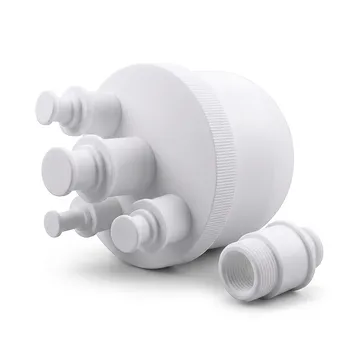
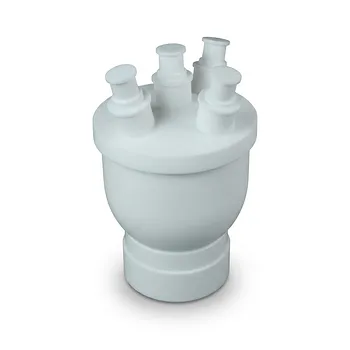
- Corrosion Resistant PTFE Electrochemical Cell for New Energy Research Inert Insulating Customizable Lab Reaction Vessel
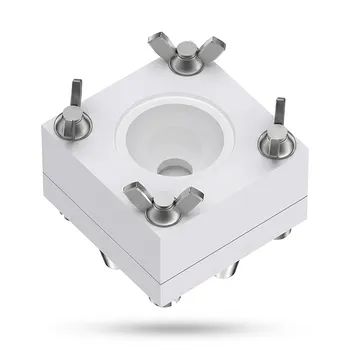
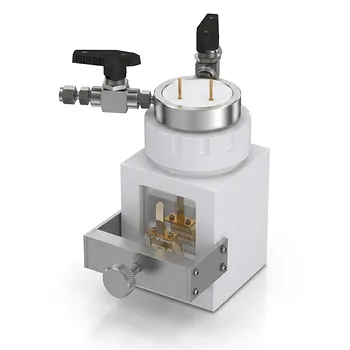
- Custom PTFE Reaction Box Opaque White Square Electrochemical Cell Tank
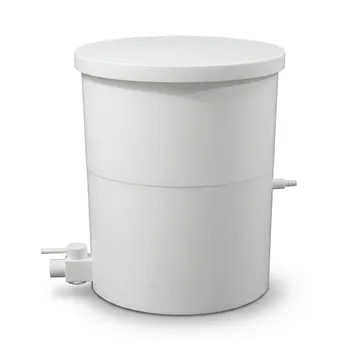
- High Purity Custom PTFE Reaction Cell Electrolytic Tank for Semiconductor and Polysilicon Industrial Applications
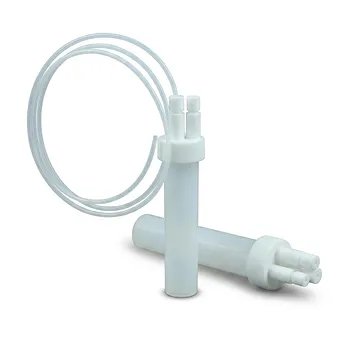
- Custom PTFE Electrolytic Cell Corrosion Resistant Low Background Reaction Vessel with Inlet Outlet Ports
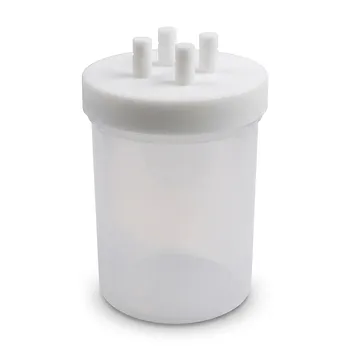
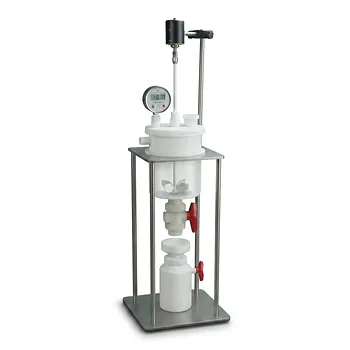
- High Performance Customizable PTFE Reaction Vessel and Corrosion Resistant Polytetrafluoroethylene Flask for Chemical Laboratory Use
People Also Ask
- How do custom PTFE electrochemical cells improve the accuracy of stability testing for alkaline catalysts compared to glass cells?
- How does the hydrophobicity of PTFE benefit electrochemical measurements? Enhance Stability and Precision in Your Lab
- What makes PTFE an ideal construction material for custom electrochemical cells and electronic analytical instrumentation housings? Discover superior chemical resistance and electrical insulation
- Why must seawater electrolysis test cells have high corrosion resistance? Protect catalyst stability & data accuracy.
- What are the key steps for structural integrity in molded PTFE lab reaction vessels? Master fine powder processing.