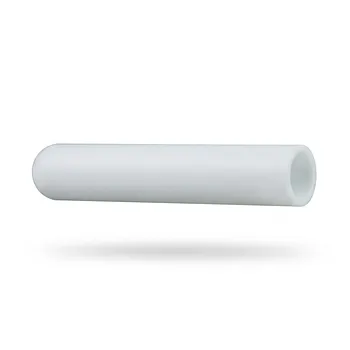
PTFE capillary tubing is the gold standard for electrical insulation due to its exceptionally low dielectric constant (approximately 2.1) and high dielectric strength. These properties allow it to prevent electrical leakage and minimize signal interference in high-frequency environments, even when exposed to extreme temperatures or caustic chemicals.
PTFE’s effectiveness stems from its molecular stability, which ensures that its electrical performance does not degrade when frequencies fluctuate or temperatures rise. It acts as a near-perfect isolator, protecting sensitive electronic signals and high-voltage fluid lines from power loss and interference.
The Dielectric Advantage in High-Frequency Environments
Low Dielectric Constant and Minimized Capacitance
The dielectric constant of PTFE is approximately 2.1, which is one of the lowest among solid materials. This low value is critical for high-frequency applications because it minimizes parasitic capacitance, preventing the storage of unwanted electrical energy that can distort high-speed signals.
Superior Signal Integrity via Low Dissipation
PTFE features an extremely low dissipation factor (less than 0.0002), which remains stable across a wide range of frequencies. This means that very little energy is absorbed by the tubing and converted into heat, ensuring that radio-frequency (RF) signals maintain their power and clarity over long distances.
Stability Across Frequency Ranges
Unlike many other plastics, PTFE’s electrical properties do not shift significantly as the operating frequency increases. This frequency stability makes it a reliable component for advanced electronics, radar systems, and telecommunications equipment that must operate in the gigahertz range.
Robust Insulation and Voltage Protection
High Dielectric Strength and Resistivity
PTFE can insulate up to 500 volts per mil in thin sections, providing a formidable barrier against electrical breakdown. This is complemented by a high volume resistivity (greater than 10^17 Ω·cm), which virtually eliminates the possibility of current leakage through the material.
Moisture Resistance and Surface Stability
PTFE is hydrophobic, meaning it resists moisture penetration more effectively than materials like nylon or PVC. Because water is conductive, this moisture resistance ensures that the tubing maintains its insulating qualities even in humid or wet environments where other materials might fail.
Prevention of Static Buildup
The material’s high resistivity and chemical structure help prevent static buildup in fluid lines. This is particularly vital in high-voltage environments where a static discharge could damage sensitive surrounding equipment or ignite flammable fluids.
Thermal and Chemical Resilience
Stability Under Extreme Temperatures
PTFE tubing remains thermally stable up to 500°F (260°C), allowing it to be used near heat-generating components like motors and transformers. It does not melt or degrade at temperatures that would cause standard insulators to lose their structural and electrical integrity.
Chemical Inertness for Hostile Environments
The tubing is impervious to nearly all solvents and chemicals, ensuring that its electrical performance is not compromised by corrosion. This makes it the ideal choice for insulating components in chemical processing plants or aerospace applications where exposure to harsh fluids is common.
Long Flex Life and Durability
The strong carbon-fluorine bonds in PTFE provide high flexibility and a long flex life. This allows the tubing to be used in dynamic electrical applications where it must withstand repeated bending and stressing without cracking or losing its insulating properties.
Understanding the Trade-offs
Mechanical Limitations and "Cold Flow"
While PTFE is an excellent insulator, it is prone to creep or "cold flow," meaning it can slowly deform under a constant mechanical load. In applications where the tubing is under physical pressure, designers must account for this potential change in shape to avoid thinning the insulation layer.
Difficulty in Bonding
PTFE’s low surface energy makes it naturally "non-stick," which can be a disadvantage when trying to bond the tubing to other components. Specialized treatments, such as chemical etching, are often required to create a surface that adhesives can grip.
Cost and Manufacturing Precision
The process of creating close-tolerance extruded tubing is more complex and costly than standard plastic extrusion. However, this precision is often necessary because machining long lengths of small-diameter capillary tubing to tight tolerances is technically difficult.
How to Apply This to Your Project
If you are selecting PTFE capillary tubing for a technical application, consider your primary performance driver to ensure the best fit:
- If your primary focus is RF signal integrity: Prioritize tubing with the lowest possible dissipation factor to minimize signal loss at high frequencies.
- If your primary focus is high-voltage safety: Select thin-walled tubing with verified dielectric strength to ensure maximum protection against electrical breakdown in compact spaces.
- If your primary focus is extreme environment durability: Ensure the PTFE grade is rated for your specific temperature range and chemical exposure to prevent premature insulation failure.
- If your primary focus is mechanical stability: Account for the material's potential for cold flow by using supports or avoiding high-pressure contact points on the tubing walls.
By leveraging PTFE’s unique dielectric and thermal properties, you can achieve a level of electrical isolation and signal performance that few other materials can match.
Summary Table:
| Property | Technical Value | Advantage for Applications |
|---|---|---|
| Dielectric Constant | ~2.1 | Minimizes parasitic capacitance and signal distortion |
| Dielectric Strength | 500 Volts/mil | High resistance to electrical breakdown in compact spaces |
| Dissipation Factor | < 0.0002 | Ensures signal power and clarity at high frequencies |
| Temperature Range | Up to 500°F (260°C) | Maintains insulation integrity near heat-generating parts |
| Volume Resistivity | > 10^17 Ω·cm | Virtually eliminates current leakage through the material |
| Chemical Resistance | Universal | Prevents corrosion-related electrical failure in harsh zones |
Upgrade your laboratory and industrial processes with KINTEK’s precision-engineered fluoropolymer solutions. From everyday basic labware like beakers, crucibles, and reagent bottles to high-purity trace analysis instruments and comprehensive fluid transfer components (tubing, fittings, valves), we provide the durability and performance your applications demand.
Whether you need sample prep tools, general consumables, or advanced reaction apparatus like custom electrochemical cells and microwave digestion vessels, KINTEK manufactures virtually all imaginable laboratory supplies crafted from PTFE and PFA. Backed by end-to-end custom CNC fabrication, we deliver everything from complex non-standard machined parts to high-volume orders with an absolute focus on high-performance materials. Contact us today at KINTEK to discuss your bespoke requirements and enhance your technical capabilities!
Related Products
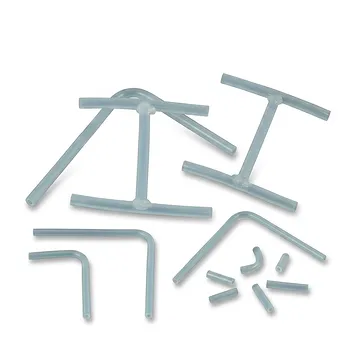
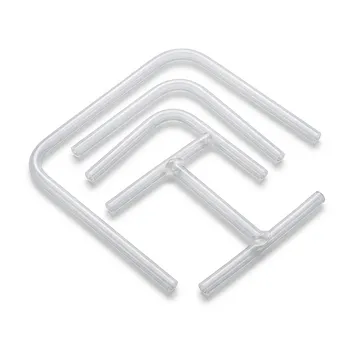
- High Performance PFA Coiled Spring Tubing and Custom PTFE Fabrication Services with Welded Fittings and Precision Bent Components
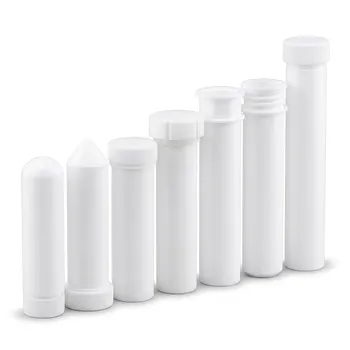
- Custom High Purity PTFE Digestion Tubes and Centrifuge Tubes for Trace Metal Analysis
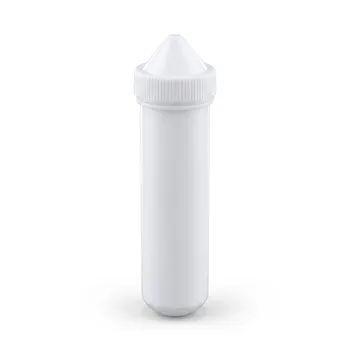
- High Purity PTFE Digestion Tubes and Custom Centrifuge Tubes 100ml for Trace Analysis and Chemical Digestion
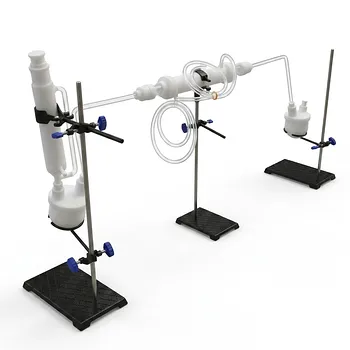
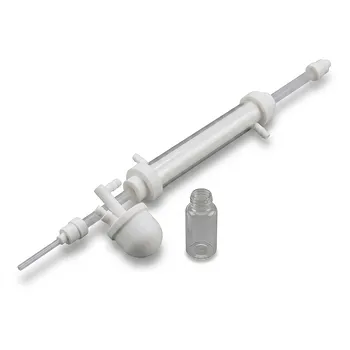
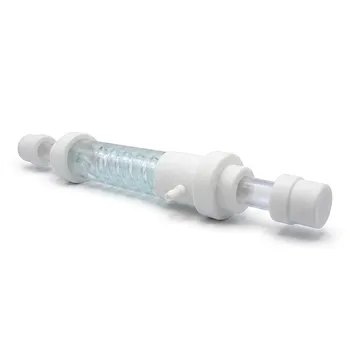
- Custom PTFE Condenser Tube Hydrofluoric Acid Resistant Reflux Device Constant Pressure Separatory Funnel
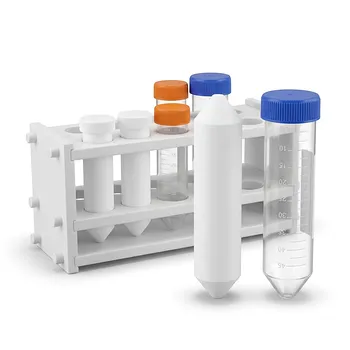
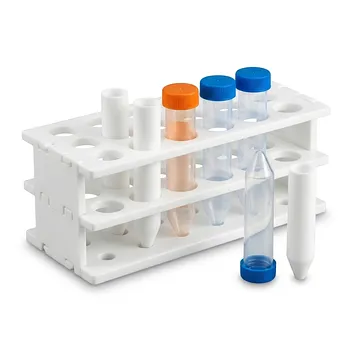
- High Purity PTFE Centrifuge Tubes for Trace Analysis Custom Laboratory Centrifugation Containers with Racks
People Also Ask
- What are the technical advantages of high-precision PFA tubing in MXene production? Maximize Purity and Yield.
- What technical advantages do PFA tubing and fittings offer? Master Precision Fluid Transfer and Flow Chemistry
- What are the technical advantages of high-quality PFA tubing? Achieve Ultimate Purity and Precision in Fluid Handling
- What are the key benefits of PTFE in custom fabrication? Unlock Performance in Extreme Conditions
- What fabrication services are available for PTFE? Shearing, Stamping, Laser Cutting, Molding & Machining