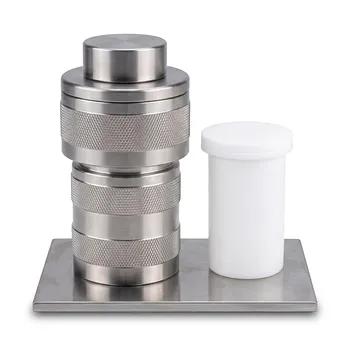
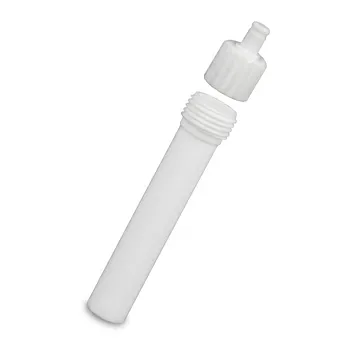
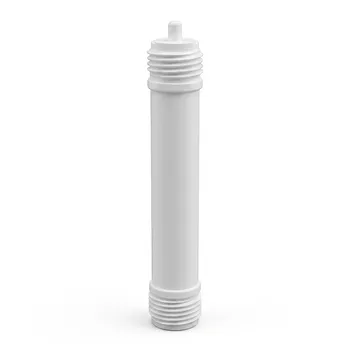
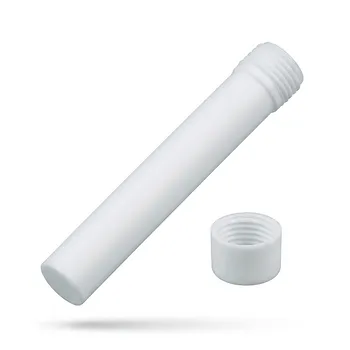
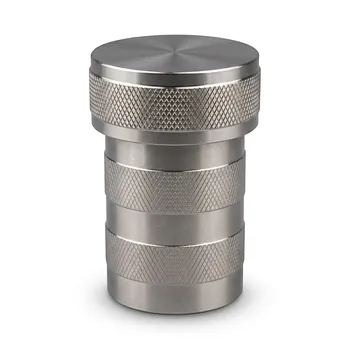
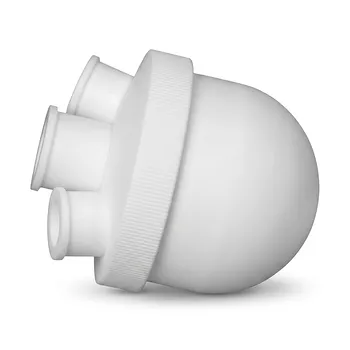
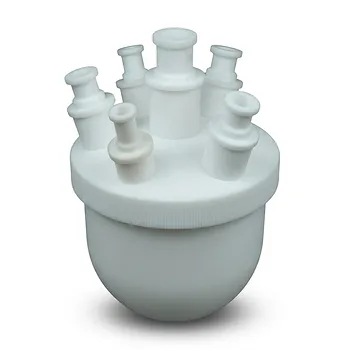
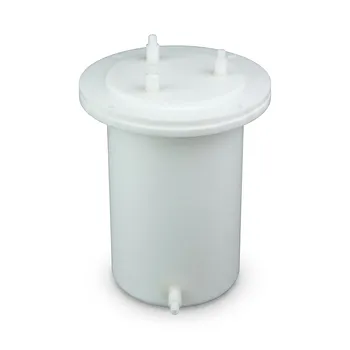
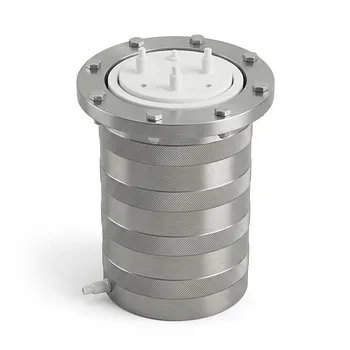
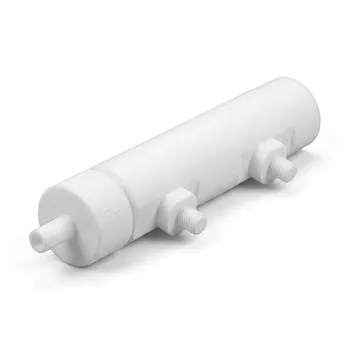
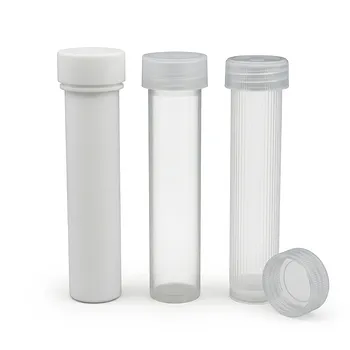
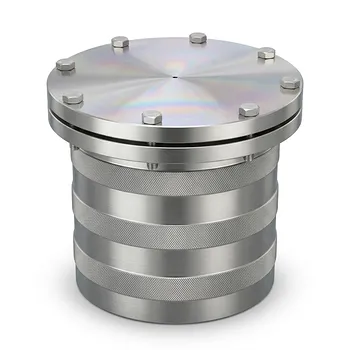
High-purity PTFE liners act as the chemically inert core of the hydrothermal reactor, providing a sterile environment that withstands temperatures up to 200°C. By isolating sulfur precursors from the metallic autoclave walls, these liners prevent ion contamination and allow for the precise formation of surface functional groups, which are critical for the fluorescence purity and morphology of Sulfur Quantum Dots (SQDs).
Core Takeaway: The technical role of high-purity PTFE liners is to provide a non-reactive, pressurized environment that protects the chemical integrity of SQDs from metallic contamination and corrosive precursors, ensuring high fluorescence yields and uniform crystal growth.
Maintaining Structural Integrity Under Extreme Conditions
Resistance to High Temperature and Pressure
Hydrothermal synthesis of SQDs typically occurs between 70°C and 200°C under significant internal pressure. The PTFE liner is designed to maintain its physical shape and seal integrity within these ranges, serving as the primary containment vessel for the reaction. Its thermal stability ensures that the reaction environment remains constant, which is vital for the uniform morphology of the resulting nanomaterials.
Protection of the Autoclave Hardware
The liner serves as a critical chemical protection barrier between the reactants and the stainless steel outer shell. Without this barrier, the high-pressure environment would force corrosive media into the metal, leading to vessel degradation and potential safety failures. By containing the reaction, the liner extends the lifespan of the hydrothermal autoclave and prevents the leaching of iron or chromium into the sample.
Preserving Chemical and Optical Purity
Elimination of Metallic Ion Contamination
High-purity PTFE has an extremely low leaching rate, meaning it does not release impurities into the solution. In SQD synthesis, even trace amounts of metallic ions can quench fluorescence or alter the electronic properties of the quantum dots. The liner ensures that the reaction is limited strictly to the intended precursors, maintaining the high fluorescence purity required for sensing and imaging applications.
Precise Control of Surface Functional Groups
The chemical inertness of PTFE prevents it from reacting with strong acids or alkaline precursors used in SQD preparation. This "neutral" background allows researchers to precisely tune the surface functional groups on the sulfur nanoparticles. These functional groups determine the solubility and biological compatibility of the SQDs, making the liner's non-reactivity a cornerstone of successful synthesis.
Operational Efficiency and Material Recovery
Non-stick Surface Properties
PTFE is naturally non-stick, which prevents the synthesized SQDs from adhering to the walls of the vessel. This property facilitates the efficient recovery of micro- and nano-powders after the reaction is complete. High recovery rates are essential for maintaining consistent yields across different experimental batches.
Ease of Decontamination and Cleaning
The smooth internal surface of the liner reduces material buildup and simplifies the cleaning process. Because SQDs are often used in sensitive optical applications, preventing cross-contamination between batches is mandatory. The resistance of PTFE to organic solvents allows for rigorous cleaning protocols that ensure each synthesis begins in a pristine environment.
Understanding the Trade-offs and Limitations
Temperature Ceiling Constraints
While PTFE is robust, it has a definitive thermal limit of approximately 200°C to 220°C. Exceeding these temperatures can cause the liner to soften or deform, potentially leading to a loss of the pressure seal. For synthesis requiring higher temperatures, more expensive materials like PFA or specialized ceramics must be considered.
Thermal Expansion and Pressure Seals
PTFE has a high coefficient of thermal expansion, meaning it expands significantly when heated. If the liner is not properly matched to the stainless steel jacket, the expansion can cause the liner to creep or "cold flow" over time. This degradation can eventually lead to leaks or difficulty in removing the liner from the autoclave body.
Applying This Knowledge to Your Synthesis Goal
How to Apply This to Your Project
To ensure the best results during the hydrothermal synthesis of Sulfur Quantum Dots, consider your specific experimental requirements:
- If your primary focus is maximum fluorescence intensity: Use only high-purity, virgin PTFE liners to ensure that no trace metal ions from recycled plastics quench the SQD luminescence.
- If your primary focus is precise particle size control: Ensure your liner is properly seated and sealed to maintain the constant high pressure required for uniform crystal growth.
- If your primary focus is high-throughput production: Invest in multiple liners to allow for rapid rotation and cleaning, utilizing PTFE’s non-stick properties to minimize downtime between batches.
The success of Sulfur Quantum Dot synthesis relies as much on the chemical neutrality of the reaction vessel as it does on the precursors themselves.
Summary Table:
| Feature | Technical Benefit | Impact on SQD Synthesis |
|---|---|---|
| Chemical Inertness | Prevents reaction with acids/alkalis | Enables precise surface functionalization |
| Thermal Stability | Withstands up to 200°C & pressure | Ensures uniform morphology and crystal growth |
| Low Leaching Rate | Eliminates metallic ion transfer | Maintains high fluorescence purity/intensity |
| Non-Stick Surface | Facilitates material recovery | Increases yield of micro- and nano-powders |
| Hardware Shielding | Protects stainless steel autoclave | Prevents vessel degradation and iron contamination |
Elevate Your Nanomaterial Synthesis with KINTEK
At KINTEK, we specialize in high-performance fluoropolymer solutions designed for the most demanding laboratory environments. Whether you are synthesizing Sulfur Quantum Dots or performing complex trace analysis, our high-purity PTFE and PFA products ensure your results remain uncontaminated and reproducible.
Our comprehensive range includes:
- Basic Labware: Beakers, measuring cylinders, crucibles, and reagent bottles.
- Sample Prep & Filtration: Centrifuge tubes, digestion vessels, separatory funnels, and filters.
- Fluid Transfer: High-precision tubing, fittings, and valves.
- Advanced Reaction Apparatus: Custom hydrothermal liners, electrochemical cells, and microwave digestion vessels.
Backed by end-to-end custom CNC fabrication, we deliver everything from standard consumables like stirring bars and O-rings to bespoke, non-standard machined parts tailored to your specific research needs. Let KINTEK safeguard your chemical integrity.
Contact Our Specialists Today to discuss your custom project or high-volume labware requirements!
References
- Kawan F. Kayani, Jamal Hassan. Fluorescent sulfur quantum dots for environmental monitoring. DOI: 10.1515/ntrev-2024-0138
This article is also based on technical information from Kintek Knowledge Base .
Related Products
- PTFE Lined High Pressure Digestion Vessel 50ml High Temperature Hydrothermal Synthesis Tank
- High Purity PTFE Microwave Digestion Vessel Replacement Liner for Acid Sample Preparation and Trace Analysis
- High Purity PTFE Microwave Digestion Vessel for Soil and Food Analysis Acid Resistant Fluoropolymer Sample Preparation Liners
- High Purity TFM Microwave Digestion Vessels PTFE Acid Evaporation Liners Domestic GT-400 Equivalent Laboratory Reaction Containers
- High Temperature Corrosion Resistant Hydrothermal Synthesis Reactor with TFM Inner Liner and Straight Cylinder Design
People Also Ask
- What are the benefits of using a PTFE-lined vessel for carbon-sulfur cathode treatment? Maximize Purity & Performance
- Why are PTFE-lined pressure digestion vessels required for the preparation of Ag/CeO2 catalysts? Purity & Performance
- What is the function of high-pressure PTFE digestion vessels in mineral analysis? Optimize Sample Mineralization
- What safety features are typically incorporated into high-pressure PTFE digestion vessel designs? Ensure Lab Safety
- What is the function of PTFE lined high-pressure vessels in g-C3N4 synthesis? Achieve High-Purity Material Growth