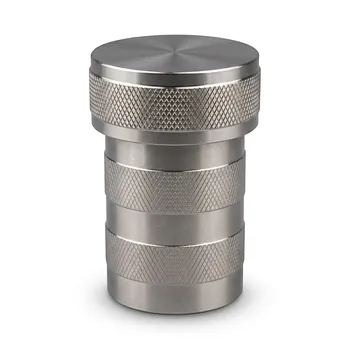
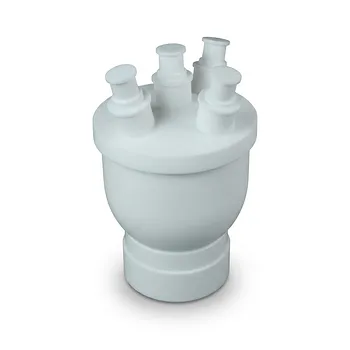
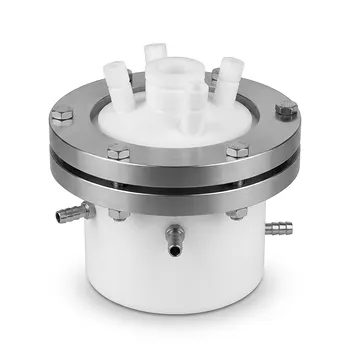
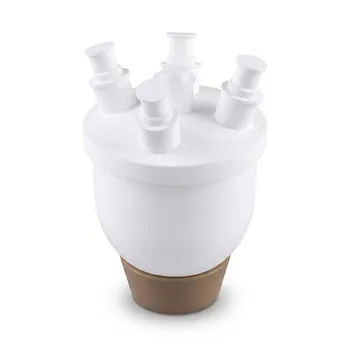
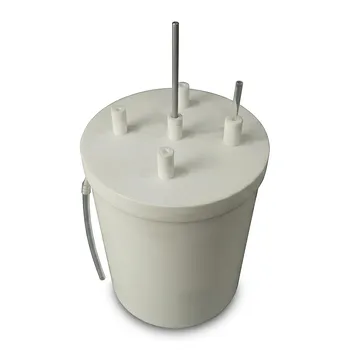
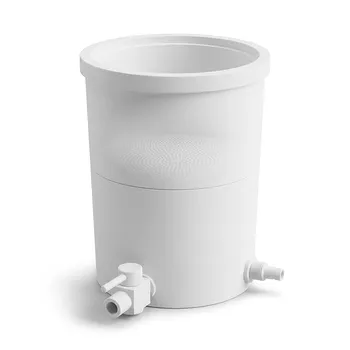
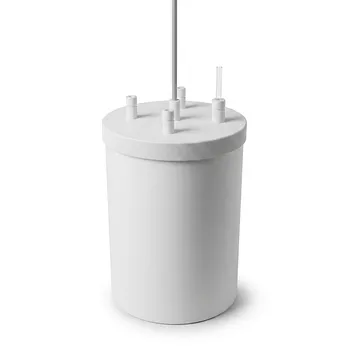
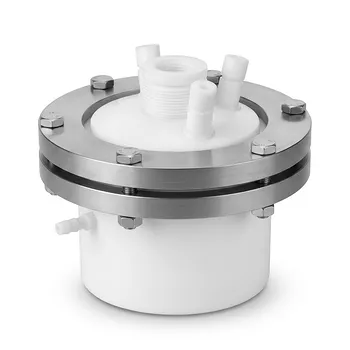
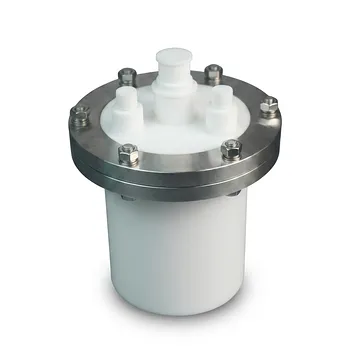
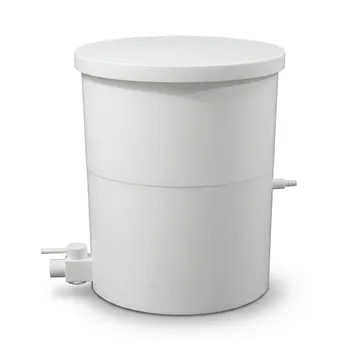
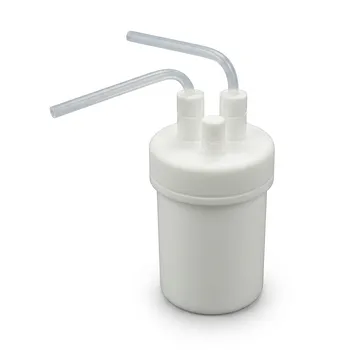
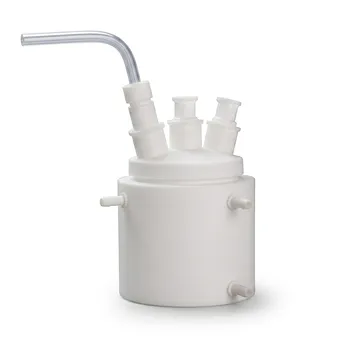
The design of hydrothermal synthesis reactors is the fundamental enabler for creating nanomaterials with precise morphology and exceptional purity. By utilizing chemically inert liners within a sealed pressure vessel, these reactors create a supercritical or near-critical environment that significantly enhances solvent solubility and precursor reactivity. This specialized setup allows researchers to bypass the thermodynamic limitations of ambient-pressure chemistry to produce complex structures like nanowires, nanosheets, and phase-pure nanocrystals.
Hydrothermal reactors serve as high-pressure "micro-laboratories" that isolate aggressive chemical reactions from the external environment. The integration of high-purity liners ensures that the resulting nanomaterials remain free from metallic contamination while providing the specific thermal and chemical conditions necessary for controlled anisotropic crystal growth.
Facilitating Extreme Reaction Environments
Achieving Near-Critical States
Hydrothermal reactors, often called autoclaves or digestion bombs, are designed to operate at temperatures well above the boiling point of water. These sealed batch vessels allow aqueous or organic solvents to reach states near their critical points, where their physical properties change dramatically.
Enhancing Precursor Solubility
In these extreme conditions, the solubility of precursors increases significantly, allowing for chemical reactions that are impossible at standard pressure. This environment facilitates dissolution-precipitation reactions, enabling the synthesis of metal oxides, hydroxides, and other inorganic compounds with high efficiency.
Reducing Energy Requirements
Compared to traditional methods like solid-state sintering or vapor deposition, the hydrothermal route operates at lower processing temperatures. This efficiency reduces the overall energy input required to achieve highly crystalline materials, making it a more sustainable option for industrial scaling.
The Critical Role of Chemically Inert Liners
Preventing Metallic Contamination
The primary function of the PTFE (Polytetrafluoroethylene) or PPL (Para-polyphenylene) liner is to isolate the reaction from the stainless steel outer shell. This isolation prevents metal ion migration from the reactor walls into the sample, which is vital for sensitive applications like battery cathodes or semiconductor quantum dots.
Resistance to Aggressive Reagents
High-purity liners offer exceptional chemical inertia, allowing researchers to use strong acids, bases (such as 3 M NaOH), or organic solvents without damaging the reactor. This resistance ensures that the vessel can withstand the autogenous pressure generated during the reaction while maintaining a pristine environment for crystal growth.
Ensuring Phase Purity
By providing a sealed and stable reaction interface, these liners help maintain the chemical stoichiometry of the mixture. This stability is essential for achieving phase-pure nanomaterials, such as the transition of titanium dioxide from an amorphous state to the desired anatase phase.
Precise Control Over Nanostructure
Influencing Anisotropic Growth
The high-pressure environment within the reactor is essential for controlling the morphology of the final product. By adjusting the pH or adding specific surfactants, the reactor facilitates anisotropic growth, resulting in structures like nanotubes, nanowires, or nanosheets.
Tuning Material Properties
Because the reactor allows for fine-tuning of temperature and pressure, researchers can manipulate the tunable band gaps and optical properties of the nanomaterials. This level of control is necessary for creating high-performance materials like piezoelectric nanowires or light-harvesting semiconductor dots.
Minimizing Structural Defects
The slow, controlled crystallization process inherent in hydrothermal synthesis leads to defect-minimized structures. These high-quality crystals offer better charge transport and improved mechanical properties compared to materials synthesized through more rapid, less controlled methods.
Understanding the Trade-offs
Temperature and Pressure Limitations
While PTFE liners offer excellent chemical resistance, they are generally limited to temperatures below 220°C. For higher temperature requirements, PPL liners must be used, though they may offer different mechanical properties and cost profiles.
Risks of Seal Failure
The reliance on autogenous pressure means that if a seal fails or the reactor is overfilled, there is a significant risk of pressure release. Maintaining a strict filling ratio (typically 60-80%) is necessary to prevent mechanical failure of the liner or the stainless steel vessel.
Batch Processing Constraints
Hydrothermal synthesis is primarily a batch process, which can lead to variations between different runs if parameters are not strictly controlled. Scaling this process requires multiple reactors or very large autoclaves, which increases the complexity of maintaining uniform temperature gradients throughout the reaction volume.
Strategic Implementation for Your Synthesis Goals
To achieve the best results in nanomaterial synthesis, the choice of reactor and liner should be dictated by your specific material requirements and safety protocols.
- If your primary focus is high-purity semiconductors or battery materials: Prioritize high-purity PTFE liners to eliminate any risk of metal ion leaching from the stainless steel shell.
- If your primary focus is synthesizing materials at temperatures above 230°C: Utilize PPL liners or specialized metallic alloys, ensuring that the chemical compatibility of the liner matches your precursors.
- If your primary focus is controlling complex morphology (e.g., nanowires): Focus on the precision of the reactor’s temperature control system to maintain the specific near-critical conditions required for anisotropic growth.
By mastering the synergy between high-pressure vessel design and chemical isolation, you can consistently produce nanomaterials with the purity and structural integrity required for next-generation technological applications.
Summary Table:
| Feature/Component | Primary Function | Key Benefit in Synthesis |
|---|---|---|
| Pressure Vessel | Creates supercritical environment | Enables reactions impossible at ambient pressure |
| PTFE/PPL Liner | Chemical isolation from steel shell | Eliminates metal ion contamination/leaching |
| Sealed Design | Maintains autogenous pressure | Facilitates anisotropic crystal growth (nanowires) |
| Temperature Control | Precise thermal regulation | Minimizes structural defects and tunes band gaps |
Elevate Your Synthesis Precision with KINTEK
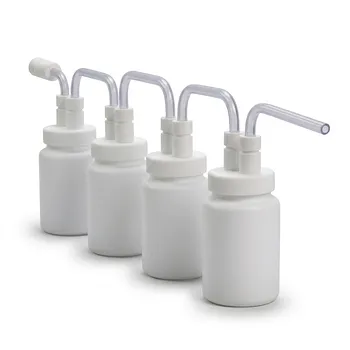
Unlock the full potential of your nanomaterial research with KINTEK’s high-performance laboratory solutions. We specialize in the absolute focus of high-performance fluoropolymer materials, manufacturing everything from essential PTFE and PFA labware (beakers, crucibles, and reagent bottles) to advanced hydrothermal synthesis liners and microwave digestion vessels.
Whether you are scaling up with high-volume orders or require bespoke laboratory setups via our end-to-end custom CNC fabrication, KINTEK provides the chemically inert environment necessary for phase-pure results. From fluid transfer components (tubing, valves) and sample prep tools to specialized electrochemical cells and battery testing fixtures, we deliver the tools you need to bypass thermodynamic limits and achieve superior material morphology.
Ready to optimize your laboratory environment? Contact our experts today to discuss your standard or custom requirements!
References
- Mariam M. Abady, Fathi A. Sakr. Sustainable synthesis of nanomaterials using different renewable sources. DOI: 10.1186/s42269-025-01316-4
This article is also based on technical information from Kintek Knowledge Base .
Related Products
- High Temperature Corrosion Resistant Hydrothermal Synthesis Reactor with TFM Inner Liner and Straight Cylinder Design
- High Pressure Custom TFM Reactor Stainless Steel Outer Vessel PTFE Inner Cup for Corrosive Synthesis
- PTFE Lined High Pressure Digestion Vessel 50ml High Temperature Hydrothermal Synthesis Tank
- Custom TFM Reaction Vessel with Stainless Steel Jacket and PTFE Inner Cup for High Corrosion Resistance
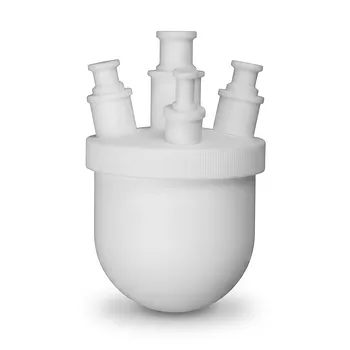
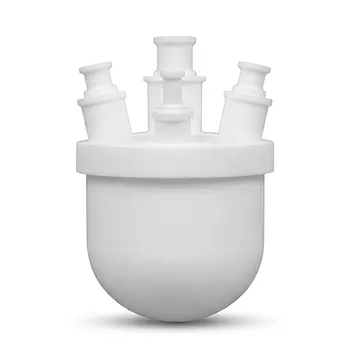
- Customizable Polytetrafluoroethylene PTFE Reactor and Corrosion Resistant Teflon Flask
People Also Ask
- What is the role of a corrosion-resistant reactor in the synthesis of lignin-based carbon dots? Ensure Maximum Purity
- What are the technical advantages of using hydrothermal synthesis reactors for advanced electronic & optical nanomaterials?
- How does a hydrothermal synthesis reactor facilitate the production of crystalline materials with tailored morphologies? Precision Crystal Growth
- Why is the sealing reliability of a hydrothermal synthesis reactor critical for 24-hour cycles? Ensure Nano-Precision
- What role do hydrothermal synthesis reactors play in CQD preparation? Achieve High-Purity Nanomaterial Synthesis