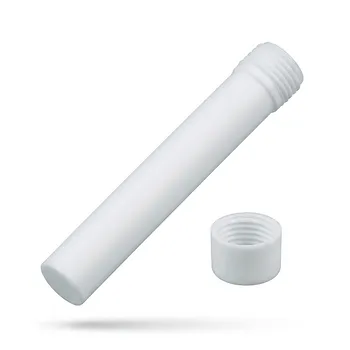
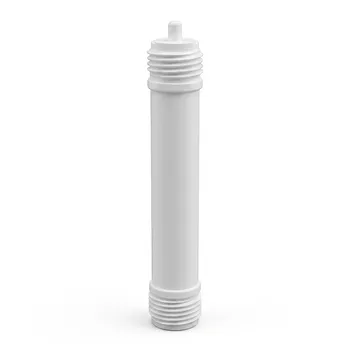
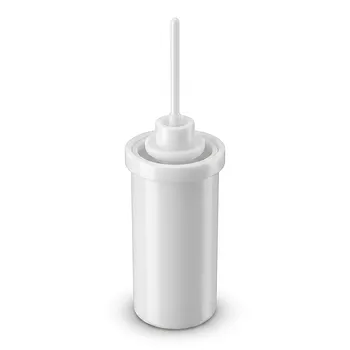
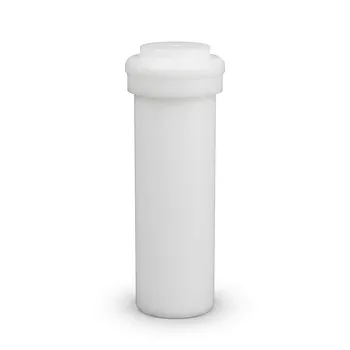
High-performance chemically inert liners are the critical safeguards of the hydrothermal synthesis environment. They ensure the chemical purity and structural integrity of Transition Metal Oxide (TMO) and graphene composites by providing a non-reactive barrier that withstands extreme temperatures and pressures.
Core Takeaway: PTFE and PFA liners serve as essential reaction vessels that isolate corrosive precursors from the reactor's metallic shell, preventing metal ion contamination and ensuring the high electrochemical performance of the resulting composite materials.
Maintaining Structural Integrity and Reactor Longevity
Protection Against Corrosive Precursors
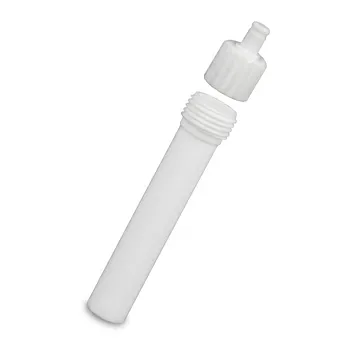
Hydrothermal synthesis often involves aggressive media, including strong acids, bases, and organic solvents used to exfoliate graphene or precipitate metal oxides. High-performance liners like PTFE and PFA offer superior corrosion resistance, ensuring the liner does not degrade during the reaction.
Isolation of the Metallic Outer Shell
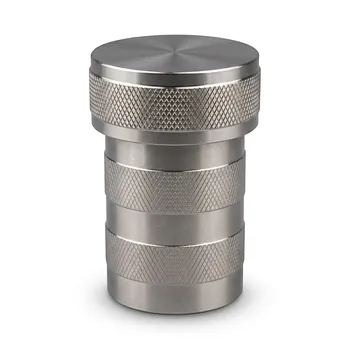
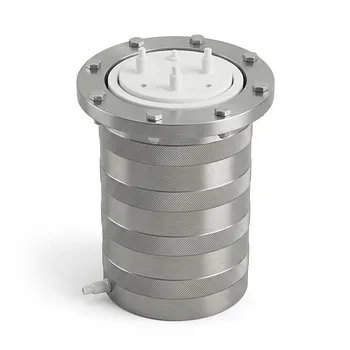
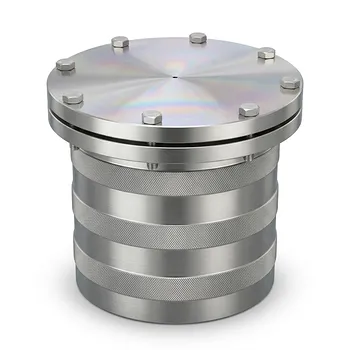
The stainless steel body of a hydrothermal autoclave provides the necessary pressure resistance but is vulnerable to chemical attack. The liner acts as a critical chemical barrier, preventing the reaction fluid from coming into direct contact with the metal, which extends the service life of the equipment.
Thermal and Pressure Stability
These polymers are specifically engineered to maintain physical stability across a broad temperature range. They can withstand the high-pressure conditions required for crystal growth without leaking or failing, provided the temperature limits of the material are respected.
Ensuring Material Purity and Performance
Prevention of Metal Ion Leaching
At high temperatures, corrosive precursors can leach metal ions (such as iron, nickel, or chromium) from the autoclave walls if a liner is not used or fails. These trace metal impurities can act as unintended dopants, significantly altering the electrical and catalytic properties of TMO and graphene composites.
Minimizing Trace Impurities
High-purity materials like PFA (Perfluoroalkoxy) are favored because they have extremely low leaching rates of organic and inorganic impurities. This level of cleanliness is critical for ensuring performance stability in sensitive applications like supercapacitors, batteries, and photocatalysts.
Facilitating Uniform Heterostructure Growth
The inert environment allows for a "one-pot" synthesis where TMOs can grow uniformly on graphene sheets without interference from side reactions. This ensures the integrity of the heterostructure, which is vital for efficient electron transport and active site exposure.
Enhancing Synthesis Efficiency and Consistency
Non-Stick Properties and Sample Recovery
Fluoropolymers are inherently non-stick, which prevents the synthesized nanomaterials from adhering to the vessel walls. This characteristic facilitates the complete recovery of samples and makes the cleaning process more efficient, reducing the risk of cross-contamination between batches.
Consistent Crystal Growth Environment
By providing a chemically neutral enclosed environment, these liners allow for precise control over the nucleation and growth of crystals. This consistency is necessary for producing Transition Metal Oxides with specific morphologies and sizes, which directly impacts their functional performance.
Understanding the Trade-offs and Limitations
Thermal Constraints
While PTFE and PFA are robust, they have strict temperature limits (typically 200°C to 260°C). Exceeding these limits can cause the liner to soften or deform, potentially leading to a seal failure and dangerous depressurization of the autoclave.
Permeability and Pressure Balance
Under extreme pressure, some small molecules can permeate the polymer matrix and become trapped between the liner and the stainless steel wall. This phenomenon requires users to ensure the pressure is balanced and the liner is properly seated to prevent "collapsing" during the cooling phase.
Selecting the Optimal Liner for Your Goal
When choosing a liner for the synthesis of Transition Metal Oxide and graphene composites, your decision should be guided by your specific purity requirements and operating temperatures.
- If your primary focus is Maximum Chemical Purity: Choose PFA liners, as they generally offer lower trace-element leaching and better surface smoothness than standard PTFE.
- If your primary focus is Standard Synthesis up to 200°C: Use PTFE liners, which provide excellent cost-to-performance value and universal chemical resistance for most hydrothermal applications.
- If your primary focus is High-Yield Sample Recovery: Opt for high-quality, polished PTFE, which maximizes the non-stick effect and ensures you can harvest the highest percentage of your synthesized composite.
Selecting the appropriate high-performance liner is not merely a logistical choice, but a fundamental requirement for achieving reproducible, high-performance nanomaterials.
Summary Table:
| Feature | Key Benefit | Recommended Material |
|---|---|---|
| Corrosion Resistance | Protects reactor from aggressive acids and bases | PTFE / PFA |
| Ultra-High Purity | Prevents trace metal ion leaching into composites | PFA |
| Non-Stick Surface | Maximizes sample recovery and simplifies cleaning | Polished PTFE |
| Thermal Stability | Maintains seal integrity under high pressure | PFA (up to 260°C) |
Elevate Your Research with KINTEK High-Performance Fluoropolymers
Don't let contamination compromise your synthesis. KINTEK specializes in high-performance PTFE and PFA laboratory supplies designed for absolute chemical inertness and precision.
Whether you need everyday basic labware (beakers, crucibles, reagent bottles) or specialized tools like high-purity hydrothermal synthesis liners, microwave digestion vessels, and custom electrochemical cells, we provide the ultimate barrier for your sensitive reactions. Our capabilities extend from high-volume consumables to bespoke CNC-fabricated components, ensuring that every tube, valve, and reactor meets your exact specifications.
Ready to optimize your material performance? Contact KINTEK today to secure the high-purity environment your Transition Metal Oxide and graphene research demands.
References
- Viraj Pasindu, Imalka Munaweera. Multifunctional transition metal oxide/graphene oxide nanocomposites for catalytic dye degradation, renewable energy, and energy storage applications. DOI: 10.1039/d5ra04806k
This article is also based on technical information from Kintek Knowledge Base .
Related Products
- High Temperature Corrosion Resistant Hydrothermal Synthesis Reactor with TFM Inner Liner and Straight Cylinder Design
- PTFE Lined High Pressure Digestion Vessel 50ml High Temperature Hydrothermal Synthesis Tank
- Custom PTFE Sleeves and Hollow Rods for Advanced Applications
- High Pressure Custom TFM Reactor Stainless Steel Outer Vessel PTFE Inner Cup for Corrosive Synthesis
- High Purity PTFE Microwave Digestion Vessel Replacement Liner for Acid Sample Preparation and Trace Analysis
People Also Ask
- What is the role of a corrosion-resistant reactor in the synthesis of lignin-based carbon dots? Ensure Maximum Purity
- What are the technical advantages of using hydrothermal synthesis reactors for advanced electronic & optical nanomaterials?
- How does a hydrothermal synthesis reactor facilitate the production of crystalline materials with tailored morphologies? Precision Crystal Growth
- Why is the sealing reliability of a hydrothermal synthesis reactor critical for 24-hour cycles? Ensure Nano-Precision
- What role do hydrothermal synthesis reactors play in CQD preparation? Achieve High-Purity Nanomaterial Synthesis