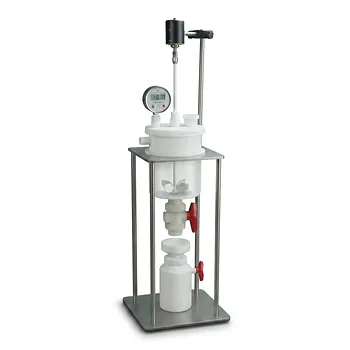
In the hydrothermal synthesis of ZIF-67, PTFE (Polytetrafluoroethylene) or PFA (Perfluoroalkoxy) liners serve as the primary chemical barrier that ensures crystal purity and reactor integrity. These liners provide the necessary chemical inertness to withstand strong alkaline ligand environments and high-pressure conditions, typically ranging from 120°C to 140°C. By isolating the reaction from the metal autoclave shell, they prevent heavy metal contamination and facilitate the easy recovery of the synthesized ZIF-67 crystals.
The use of high-purity PTFE or PFA liners is a critical requirement for ZIF-67 synthesis, acting as both a protective shield for the hardware and a neutral environment for high-quality crystal growth.
The Essential Function of Polymeric Liners
Chemical Inertness in Alkaline Environments
The synthesis of Zeolitic Imidazolate Frameworks (ZIFs) like ZIF-67 often involves high concentrations of organic ligands in alkaline conditions. PTFE and PFA are uniquely resistant to these aggressive media, preventing the reaction mixture from reacting with the vessel walls.
Thermal and Pressure Stability
Hydrothermal synthesis requires the reaction to occur at elevated temperatures, often between 120°C and 140°C, creating significant autogenous pressure. These liners are specifically engineered to maintain their structural integrity and seal under these harsh conditions without deforming.
Protection of the Autoclave Hardware
By serving as an internal seal, these liners prevent the reaction liquid from coming into direct contact with the stainless steel outer shell of the hydrothermal reactor. This prevents corrosive damage to the metal hardware, significantly extending the service life of the equipment.
Maintaining High Purity Standards
Preventing Metal Ion Contamination
If the synthesis occurred directly in a metal vessel, metal ions from the reactor walls could leach into the solution and disrupt the framework. High-purity PTFE/PFA has extremely low impurity leaching rates, ensuring that the ZIF-67 crystals remain chemically pure and functional.
Facilitating Complete Product Recovery
The non-adhesive, "non-stick" properties of fluorinated polymers are vital for gathering the final product. These surfaces prevent crystals from adhering to the walls, allowing for the complete recovery of samples and simplifying the cleaning process for subsequent experiments.
Ensuring Dense Crystal Growth
A stable, sealed environment is necessary for the precise coordination between cobalt ions and benzimidazole ligands. The liner provides a controlled interface for in-situ growth, which is essential for developing complex structures like core-shell nanoparticles or quantum dots.
Understanding the Trade-offs
Temperature Limitations
While PTFE and PFA are excellent for ZIF-67 synthesis (120°C–140°C), they have a maximum continuous service temperature, typically around 200°C to 260°C. Exceeding these limits can cause the liner to soften or release toxic fumes, necessitating materials like PPL (Para-polyphenylene) for higher-temperature applications.
Pressure Sensitivity
Because the liners are semi-rigid, they rely on the external metal autoclave for mechanical support. If the liner is not fitted correctly or if the cooling process is too rapid, vacuum collapse or deformation can occur, potentially ruining the batch and damaging the liner.
Memory Effects and Cleaning
Despite their non-stick nature, fluoropolymers can occasionally absorb small amounts of organic solvents or precursors. Failure to perform rigorous "blank" cleaning runs between different syntheses can lead to cross-contamination in sensitive nanomaterial production.
Applying This to Your Synthesis Project
Making the Right Choice for Your Goal
- If your primary focus is Maximum Crystal Purity: Opt for high-purity PFA liners, as they typically offer lower leaching rates and smoother surfaces than standard PTFE.
- If your primary focus is High-Yield Recovery: Stick with PTFE liners, which provide the best non-stick properties for easy scraping and collection of the ZIF-67 powder.
- If your primary focus is Reactor Longevity: Ensure the liner has a proper "tongue and groove" seal or a flange to prevent corrosive vapors from reaching the stainless steel threads of the autoclave.
By correctly utilizing PTFE or PFA liners, you transform a standard pressure vessel into a precision laboratory tool capable of producing high-performance ZIF-67 materials.
Summary Table:
| Feature | Benefit for ZIF-67 Synthesis |
|---|---|
| Chemical Inertness | Resists alkaline ligands; prevents reaction with vessel walls. |
| High Purity | Low leaching rates ensure metal-ion-free crystal growth. |
| Non-Stick Surface | Facilitates complete crystal recovery and simplified cleaning. |
| Thermal Stability | Maintains seal and integrity at 120°C–140°C synthesis temps. |
| Hardware Protection | Shields the stainless steel autoclave from corrosive damage. |
Elevate Your Synthesis Precision with KINTEK Fluoropolymer Solutions
Achieving high-performance ZIF-67 materials requires more than just chemistry; it requires a contamination-free environment. KINTEK specializes in manufacturing premium laboratory supplies crafted exclusively from high-performance PTFE and PFA.
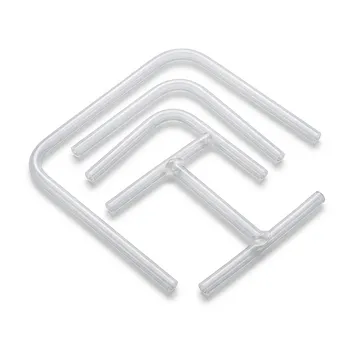
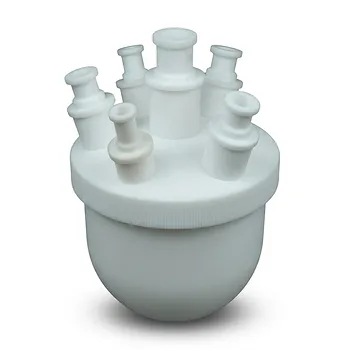
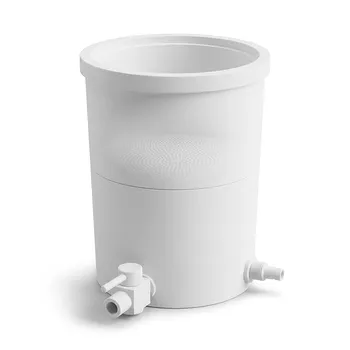
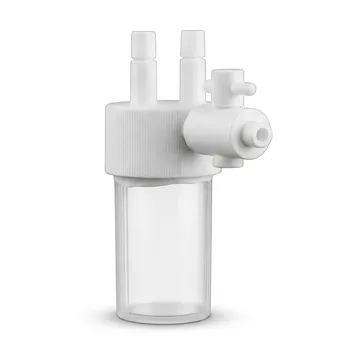
From essential high-purity hydrothermal synthesis liners and microwave digestion vessels to everyday basic labware (beakers, crucibles, reagent bottles) and complex fluid transfer components (tubing, valves, fittings), we provide the chemical barrier your research demands. Our capabilities extend to custom CNC fabrication, allowing us to deliver everything from standard consumables like stirring bars and O-rings to bespoke, non-standard machined parts and advanced electrochemical cells.
Ready to optimize your reactor setup? Whether you need high-volume orders or a one-of-a-kind custom component, KINTEK ensures your lab is equipped for excellence.
Contact our material experts today to discuss your custom project!
References
- Paula S. Pacheco, Daniel Eiras. Controlling the Hierarchical Morphology of ZIF-67 via Hydrothermal Synthesis: Insights into the Stability for Gas Separation. DOI: 10.1021/acs.langmuir.5c01142
This article is also based on technical information from Kintek Knowledge Base .
Related Products
- PTFE Lined High Pressure Digestion Vessel 50ml High Temperature Hydrothermal Synthesis Tank
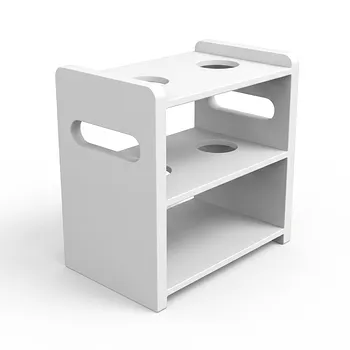
- Custom PTFE Acid Resistant Support Rack for PFA Hydrogen Absorption Systems Multi Hole Configurations
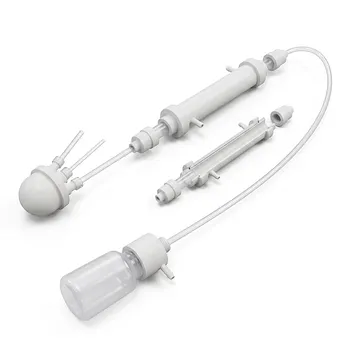
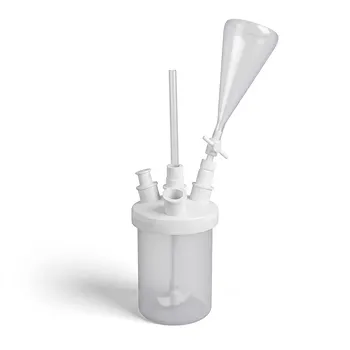
- High Temperature Corrosion Resistant PTFE Hydrogen Fluoride Condensation Reflux System with Separatory Funnel and PFA Collection Bottle
- High Pressure Custom TFM Reactor Stainless Steel Outer Vessel PTFE Inner Cup for Corrosive Synthesis
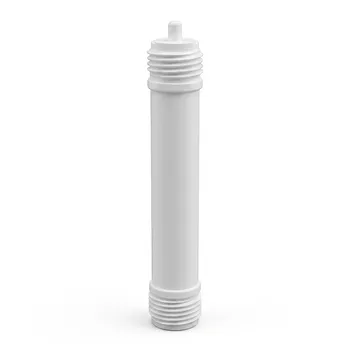
- Transparent Corrosion Resistant PFA Thermometer Sleeve and Customizable Hydrogen Fluoride Condensation Device
People Also Ask
- What are the benefits of using a PTFE-lined vessel for carbon-sulfur cathode treatment? Maximize Purity & Performance
- Why are PTFE-lined pressure digestion vessels required for the preparation of Ag/CeO2 catalysts? Purity & Performance
- What safety features are typically incorporated into high-pressure PTFE digestion vessel designs? Ensure Lab Safety
- What is the function of PTFE lined high-pressure vessels in g-C3N4 synthesis? Achieve High-Purity Material Growth
- Role of High-Pressure Digestion Tanks in Perovskite Synthesis: Achieve Superior Stability and Latent Heat