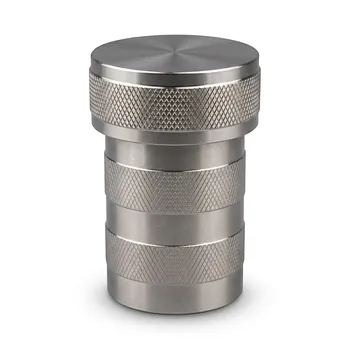
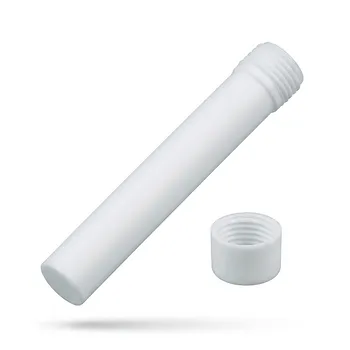
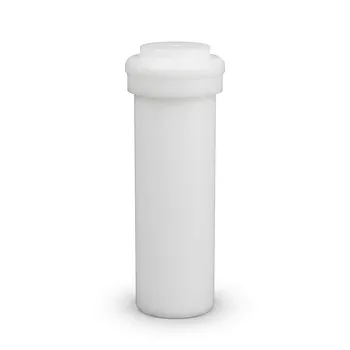
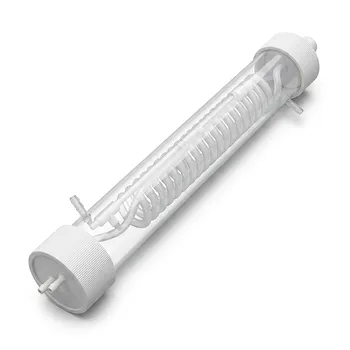
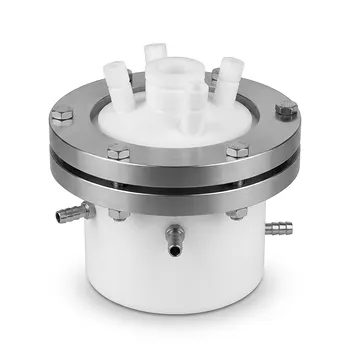
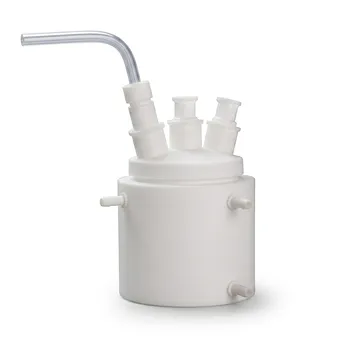
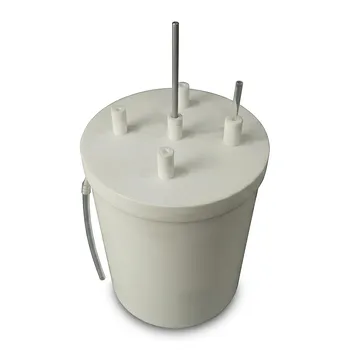
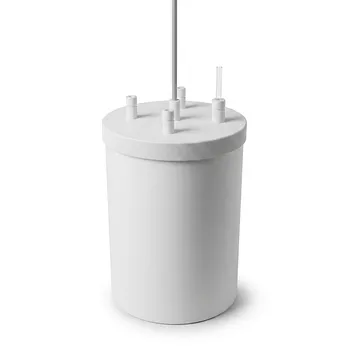
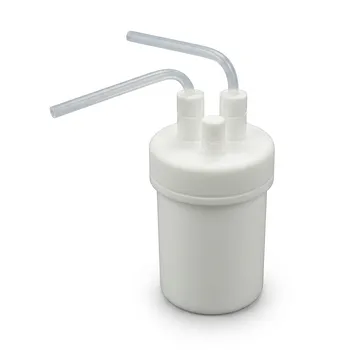
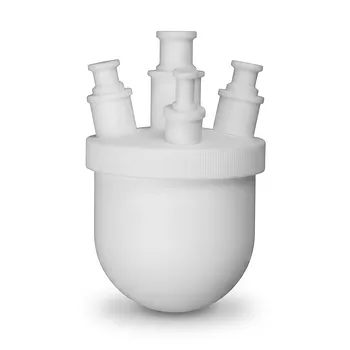
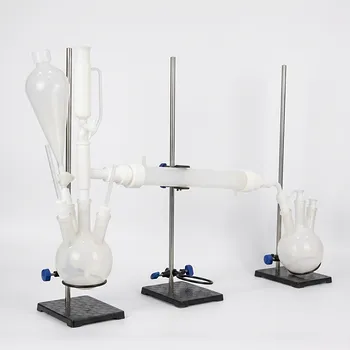
The role of high-pressure hydrothermal synthesis reactors and their liners is to create a controlled, chemically inert environment that facilitates the precise crystallization of framework structures. Specifically for Tp-BI-COF, these reactors maintain high temperatures (typically 120 °C) and generate autogenous pressure to keep solvents in a liquid state above their boiling points. This environment is essential for the reversible formation and "repair" of covalent bonds, which leads to the highly ordered, crystalline lattice characteristic of high-quality Covalent Organic Frameworks (COFs).
High-pressure reactors provide the thermal and baric energy required for reversible polycondensation, while specialized liners protect the system from corrosive catalysts and prevent metallic contamination. This synergy ensures the growth of high-purity COFs with regular pore structures and optimized pi-pi stacking.
The Mechanics of the Solvothermal Environment
Generating Autogenous Pressure for Bond Formation
In a sealed hydrothermal reactor, heating the solvent generates autogenous pressure, which allows the reaction to occur at temperatures far exceeding the solvent’s normal boiling point. This high-energy state is vital for overcoming the activation energy barriers required for the reversible chemical bonding of monomers.
Facilitating Structural "Error Correction"
The solvothermal method relies on the ability of covalent bonds to break and reform during the synthesis process. The sustained heat and pressure within the reactor allow the framework to "self-heal" or repair defects, shifting the structure toward its most thermodynamically stable, highly crystalline form.
Encouraging Directional Growth and Pi-Pi Stacking
A controlled high-pressure environment guides the highly ordered polycondensation of organic precursors. This process is necessary to achieve specific structural features, such as pi-pi stacking, which enhances the stability and catalytic efficiency of the resulting COF.
The Critical Role of Reactor Liners
Corrosion Resistance Against Harsh Catalysts
Synthesis of COFs like Tp-BI-COF often requires strong acidic catalysts, such as 3 M acetic acid, which would rapidly erode a standard stainless steel reactor shell. Liners made of Polytetrafluoroethylene (PTFE) or Polyphenylene (PPL) provide a robust barrier that is chemically inert to these corrosive media.
Maintaining High-Purity Growth Environments
High-performance fluoropolymer liners prevent the reaction mixture from coming into contact with the metal walls of the autoclave. This eliminates the risk of metal ion contamination, ensuring that the resulting framework maintains high purity and precise atomic structures.
Facilitating Product Recovery and Cleaning
The non-stick properties of PTFE liners are essential for the post-experimental recovery of the synthesized COF powder. These liners make it easier to collect the solid product and simplify the cleaning process, preventing cross-contamination between different synthesis batches.
Understanding the Trade-offs and Limitations
Temperature Constraints of Liner Materials
While PTFE is highly effective for many solvothermal reactions, it has a functional limit, often around 200-220 °C, above which it may deform. For reactions requiring higher temperatures, researchers must switch to PPL (Para-polyphenylene) liners, which offer better thermal stability but may be less common or more expensive.
Seal Integrity and Safety Risks
The reliance on autogenous pressure means that any failure in the reactor's seal or the liner's integrity can lead to pressure leaks or explosive decompression. Users must carefully monitor the filling degree (expansion volume) of the liner to prevent over-pressurization at high temperatures.
Heating Rates and Structural Homogeneity
Because these reactors are thick-walled for safety, they possess significant thermal inertia. This can make it difficult to achieve rapid heating or cooling, which may impact the nucleation rate and the overall homogeneity of the COF crystal size.
Applying Reactor Technology to Your Synthesis
Making the Right Choice for Your Goal
- If your primary focus is high crystallinity: Ensure your reactor can maintain a stable temperature (e.g., 120 °C) for extended periods to allow for the slow "error-correction" of covalent bonds.
- If your primary focus is chemical purity: Use high-purity PTFE liners to prevent metal leaching from the autoclave walls and ensure the non-stick recovery of your COF.
- If your primary focus is using strong acidic or basic catalysts: Verify that your liner material (PTFE or PPL) is specifically rated for the concentration and temperature of the catalyst involved.
- If your primary focus is high-temperature stability (above 200 °C): Opt for PPL liners rather than standard PTFE to maintain structural integrity and safety during the reaction.
The precise coordination of autogenous pressure and chemical-resistant containment is what ultimately enables the transition from simple organic monomers to sophisticated, crystalline framework architectures.
Summary Table:
| Feature | Role in COF Synthesis | Key Benefit |
|---|---|---|
| Autogenous Pressure | Maintains solvents above boiling point | Enables reversible bond formation & self-healing |
| Thermal Stability | Provides sustained high temperatures | Promotes highly ordered pi-pi stacking |
| PTFE/PPL Liners | Acts as a chemically inert barrier | Prevents metal contamination & resists acidic catalysts |
| Non-stick Surface | Facilitates powder collection | Ensures high product recovery & easy cleaning |
| Structural Seal | Contains high-pressure environment | Ensures safety and consistent reaction conditions |
Elevate Your Material Synthesis with KINTEK’s Fluoropolymer Expertise
Achieving the perfect crystalline structure in COFs requires uncompromising equipment. KINTEK specializes in high-performance PTFE and PFA laboratory supplies, specifically engineered for demanding solvothermal and hydrothermal environments. From standard and custom hydrothermal synthesis liners and microwave digestion vessels to precision-machined reaction apparatus, we provide the inert, high-purity environment your research demands.
Our end-to-end custom CNC fabrication allows us to deliver everything from complex non-standard parts to high-volume orders of:
- Core Labware: Beakers, crucibles, reagent bottles, and digestion tubes.
- Fluid Handling: High-purity tubing, fittings, valves, and filtration tools.
- Advanced Research Tools: Electrochemical cells, battery testing fixtures, and microchannel reactors.
Don't let contamination or liner failure compromise your results. Trust KINTEK for durable, high-performance fluoropolymer solutions tailored to your specific laboratory setup.
Contact our experts today to discuss your custom synthesis needs!
References
- Jian Jiang, Zhenlü Wang. Construction of highly-stable covalent organic framework with combined enol-imine and keto-enamine linkages. DOI: 10.1039/d3ra02251j
This article is also based on technical information from Kintek Knowledge Base .
Related Products
- High Temperature Corrosion Resistant Hydrothermal Synthesis Reactor with TFM Inner Liner and Straight Cylinder Design
- High Pressure Custom TFM Reactor Stainless Steel Outer Vessel PTFE Inner Cup for Corrosive Synthesis
- PTFE Lined High Pressure Digestion Vessel 50ml High Temperature Hydrothermal Synthesis Tank
- Custom TFM Reaction Vessel with Stainless Steel Jacket and PTFE Inner Cup for High Corrosion Resistance
- High Purity TFM Microwave Digestion Vessels PTFE Acid Evaporation Liners Domestic GT-400 Equivalent Laboratory Reaction Containers
People Also Ask
- What is the role of a corrosion-resistant reactor in the synthesis of lignin-based carbon dots? Ensure Maximum Purity
- What are the technical advantages of using hydrothermal synthesis reactors for advanced electronic & optical nanomaterials?
- How does a hydrothermal synthesis reactor facilitate the production of crystalline materials with tailored morphologies? Precision Crystal Growth
- Why is the sealing reliability of a hydrothermal synthesis reactor critical for 24-hour cycles? Ensure Nano-Precision
- What role do hydrothermal synthesis reactors play in CQD preparation? Achieve High-Purity Nanomaterial Synthesis