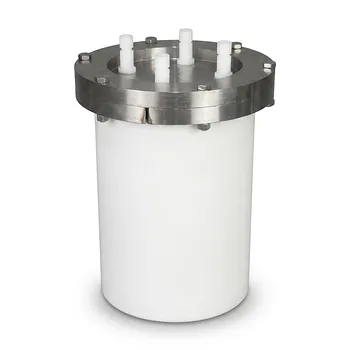
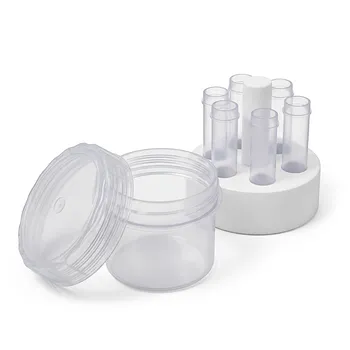
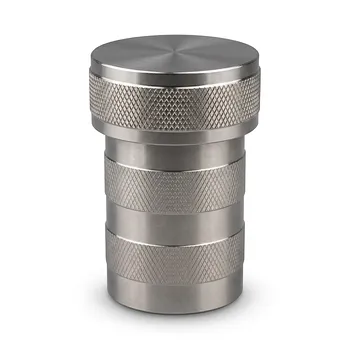
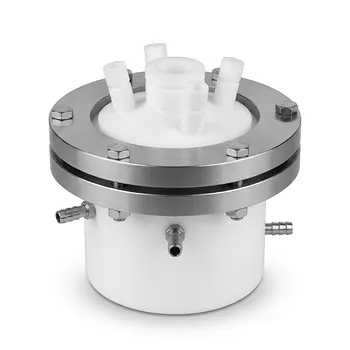
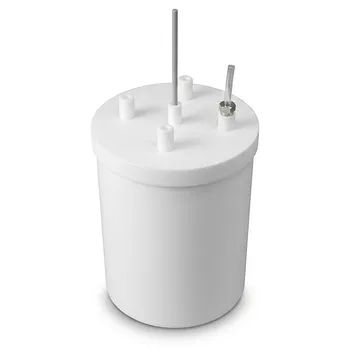
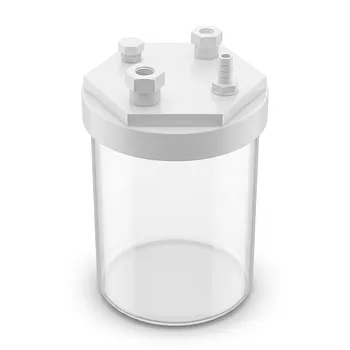
Corrosion-resistant reactors are the critical infrastructure required to handle the aggressive chemical reactions essential for biomass conversion. In dilute acid pretreatment, these specialized vessels allow for the safe use of sulfuric or hydrochloric acid to break down hemicellulose. This process is vital for disrupting molecular bonds and accelerating the hydrolysis of cellulose into fermentable monosaccharides.
Using corrosion-resistant materials ensures structural integrity during the high-acid, high-rate hydrolysis process. By protecting the reactor from degradation, producers can consistently convert complex carbohydrate polymers into the simple sugars required for downstream fermentation.
The Role of Chemical Disruption in Biomass Pretreatment
Breaking Down Hemicellulose Structures
The primary purpose of dilute acid pretreatment is to target the hemicellulose fraction of lignocellulosic biomass. The acid works to disrupt van der Waals forces and hydrogen bonds that hold the plant fibers together.
This structural disruption is necessary to open up the biomass matrix. Without this step, the cellulose remains shielded and resistant to further processing.
Accelerating Cellulose Hydrolysis
An acidic environment significantly increases the reaction rate of cellulose hydrolysis. This chemical acceleration is essential for breaking down complex carbohydrate polymers into fermentable monosaccharides.
These simple sugars are the fundamental building blocks for downstream fermentation. Faster hydrolysis leads to higher throughput and better economic viability for the processing facility.
Engineering Requirements for Acidic Environments
Neutralizing Chemical Aggression
Sulfuric and hydrochloric acids are highly effective but extremely corrosive to standard carbon steel. Using corrosion-resistant alloys or linings prevents the reactor walls from thinning or failing under stress.
If the reactor material is not properly specified, the acid will leach metals into the biomass slurry. This not only destroys the equipment but can also inhibit the yeast or bacteria used in later fermentation stages.
Maintaining Thermodynamic Stability
Corrosion-resistant vessels are designed to maintain stable thermodynamic conditions over long operational periods. Consistency in temperature and acidity is required to ensure that the biomass swells and reacts uniformly.
Stable conditions prevent the formation of degradation products like furfural. These byproducts can occur if the reaction environment is inconsistent, reducing the overall yield of fermentable sugars.
Understanding the Trade-offs
Material Costs vs. Operational Longevity
The initial capital expenditure for corrosion-resistant reactors is significantly higher than for standard industrial vessels. However, using inferior materials leads to frequent unplanned downtime and expensive replacement costs.
Acidic vs. Alkaline Approaches
While dilute acid is excellent for hemicellulose removal, it requires more robust material protection than some neutral processes. Alkaline treatments (using sodium hydroxide) also require corrosion resistance but focus more on removing lignin, pectin, and waxes.
Choosing the acid route implies a commitment to managing highly reactive environments in exchange for high-purity sugar streams. Engineering teams must balance the cost of these specialized materials against the specific purity requirements of their final product.
Making the Right Choice for Your Goal
How to Apply This to Your Project
Selecting the correct reactor configuration depends on your specific yield targets and the chemical nature of your feedstock.
- If your primary focus is Maximizing Monosaccharide Yield: Use high-grade corrosion-resistant reactors to facilitate aggressive dilute acid hydrolysis at optimal temperatures.
- If your primary focus is High-Purity Cellulose Production: Consider whether an alkaline-resistant setup is more appropriate for removing impurities like lignin and waxes.
- If your primary focus is Minimizing Maintenance Downtime: Invest in superior alloy cladding (such as Hastelloy or Titanium) to withstand the long-term effects of sulfuric or hydrochloric acid.
Selecting the appropriate material for your reactor is not just an equipment choice, but a fundamental decision that determines the efficiency and safety of your entire biomass conversion process.
Summary Table:
| Key Feature | Benefit in Biomass Processing |
|---|---|
| Hemicellulose Breakdown | Disrupts molecular bonds to open the biomass matrix for hydrolysis. |
| Acid Resistance | Prevents equipment degradation from sulfuric or hydrochloric acids. |
| Purity Protection | Eliminates metal leaching that can inhibit downstream fermentation microbes. |
| Kinetic Acceleration | Maintains high reaction rates for converting polymers into fermentable sugars. |
| Thermodynamic Stability | Ensures uniform swelling and reaction conditions to prevent byproduct formation. |
Scale Your Biomass Innovation with KINTEK’s Fluoropolymer Excellence
Maximize your pretreatment efficiency and protect your results from chemical interference. KINTEK specializes in high-performance laboratory supplies crafted exclusively from PTFE and PFA, the gold standard for handling aggressive acids like those used in biomass hydrolysis.
Whether you require everyday basics like beakers, digestion tubes, and reagent bottles, or advanced reaction apparatus such as microwave digestion vessels and custom microchannel reactors, we provide the chemical inertness your process demands. Our capabilities extend from high-purity fluid transfer components (tubing, valves, and fittings) to precision-engineered bespoke laboratory setups via end-to-end custom CNC fabrication.
Don’t let corrosion compromise your yield or equipment lifespan. Contact KINTEK today to discuss your custom project or high-volume order and secure the high-performance materials your lab deserves.
References
- S. Ledakowicz. Biochemical Processes of Lignocellulosic Biomass Conversion. DOI: 10.3390/en18133353
This article is also based on technical information from Kintek Knowledge Base .
Related Products
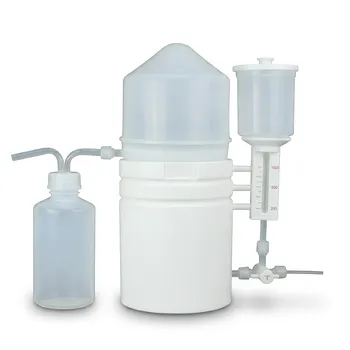
- PTFE Hydrofluoric Acid Dilutor and Corrosion Resistant Reaction Vessel with Flange Sealing White PTFE Raw Material Storage Barrel
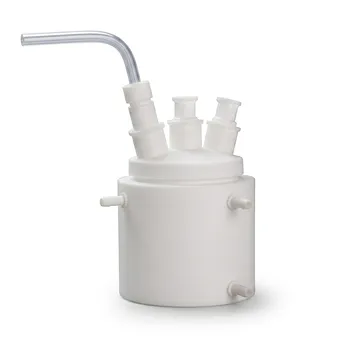
- High Purity Corrosion Resistant PFA Reaction Vessel with PTFE Holder and Integrated Sampling Tube for Trace Analysis
- High Temperature Corrosion Resistant Hydrothermal Synthesis Reactor with TFM Inner Liner and Straight Cylinder Design
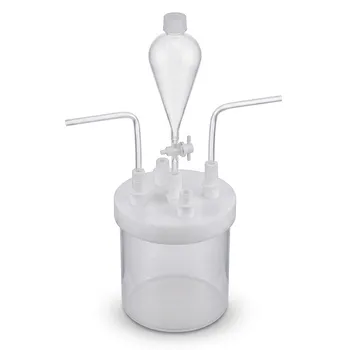
- Custom PTFE Reaction System with Hose Barb Fittings Corrosion Resistant High Sealing 2L 4L Lab Reactor with Separatory Funnel
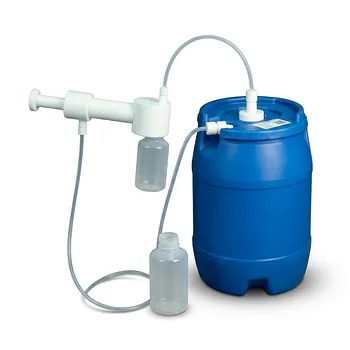
- PTFE Ultrapure Liquid Sampler Corrosion Resistant Acid Sampling Tool for 200L Reactors Custom Fluoropolymer Sampling Device
People Also Ask
- How do perfluorinated solvent environments influence the selection of reaction vessels and fluid handling components in nonaqueous emulsion polymerizations? Choose fluoropolymer materials.
- What reaction vessel and fluid handling considerations are necessary for living cationic polymerization of fluorinated monomers involving Lewis acid catalysts? Key design and safety tips
- Ion Activation Reaction Vessel Requirements: Why PTFE is Critical for Membrane Performance
- Why are fluoroplastic (PTFE) reaction vessels recommended for Methylene Blue (MB) adsorption kinetic experiments?
- Why is a PTFE reaction vessel required for Ti3C2Tx MXene synthesis? Ensure Safe HF Etching & High Purity