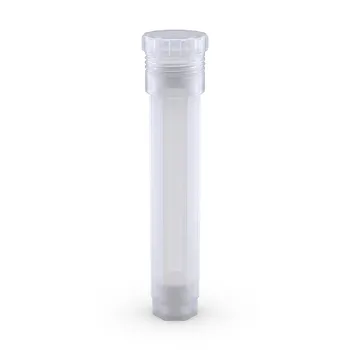
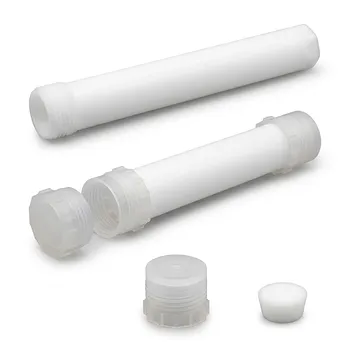
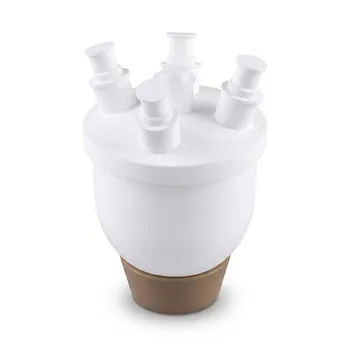
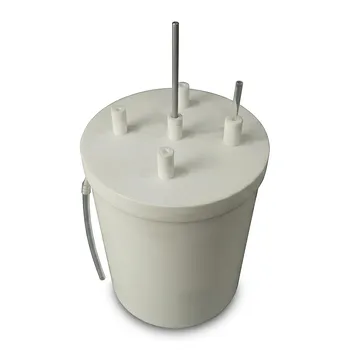
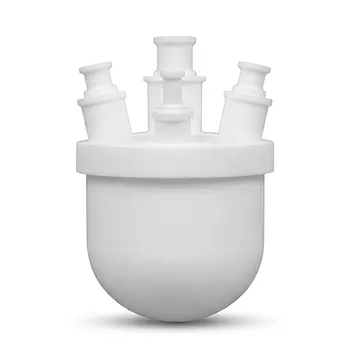
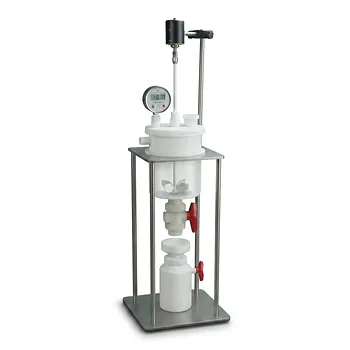
The specialized digestion reactor is an essential pretreatment tool that converts the diverse phosphorus compounds in Black Soldier Fly (BSF) frass into a single, detectable form called orthophosphate. By heating the sample to 150°C with an oxidizing agent, the reactor ensures that the subsequent spectrophotometric analysis accounts for 100% of the phosphorus present, rather than just a fraction.
Spectrophotometry can only detect phosphorus in the form of orthophosphate ions. The digestion reactor solves this chemical limitation by using high-heat oxidation to break down complex organic and polyphosphate molecules, providing a complete and accurate measurement of the sample's total nutrient value.
The Chemical Necessity of Phosphorus Conversion
Limitations of Colorimetric Reagents
Standard spectrophotometric analysis relies on a chemical reaction where color-developing reagents bind with phosphorus to form a colored complex. This reaction is highly specific and only occurs when phosphorus is in the form of orthophosphate ions.
Without pretreatment, any phosphorus locked in organic structures or complex chains would remain "invisible" to the reagent. This would result in a significant underestimation of the actual phosphorus content in the BSF frass.
The Complexity of Frass Composition
Black Soldier Fly frass is a complex organic byproduct containing phosphorus in various states, including organic phosphorus and polyphosphates. These forms are biologically significant but chemically resistant to immediate colorimetric detection.
The digestion process serves as a universal "reset," breaking these diverse chemical bonds. This ensures that the final measurement reflects total phosphorus, a critical metric for determining the fertilizer quality of the frass.
The Role of High-Heat Oxidation
Utilizing Potassium Persulfate
The reactor works in tandem with a powerful oxidizing agent, typically potassium persulfate. When introduced to the sample, this agent initiates the chemical breakdown of complex molecules.
The specialized reactor provides the controlled environment necessary for this oxidation to reach completion. This chemical synergy is what allows the transition from a raw organic sample to a clear, measurable orthophosphate solution.
Standardizing Thermal Conditions
A constant-temperature dry bath heater is used to maintain a precise temperature of 150°C. This specific thermal threshold provides the activation energy required to liberate phosphorus from organic matter.
Maintaining a steady, high temperature is vital for consistency across different samples. Precise thermal control prevents the variability that would occur with less sophisticated heating methods, ensuring reproducible results.
Understanding the Trade-offs
Accuracy vs. Sample Throughput
The primary trade-off of using a digestion reactor is the increased processing time required for each analysis. While direct measurement would be faster, it would sacrifice the accuracy needed for scientific or commercial nutrient labeling.
Investing time in the digestion step is necessary to avoid "false lows." In the context of BSF farming, an inaccurate nutrient profile could lead to the devaluation of the frass as a commercial fertilizer.
Risks of Incomplete Digestion
If the reactor fails to maintain the required 150°C or if the digestion time is insufficient, the conversion to orthophosphate will be incomplete. This highlights the need for specialized equipment over makeshift heating solutions.
Incomplete digestion is a common pitfall that leads to inconsistent data. Using a dedicated reactor minimizes this risk by automating the temperature and timing variables of the pretreatment.
Ensuring Precision in Nutrient Analysis
To achieve the most accurate results when analyzing BSF frass, the digestion process must be treated as a non-negotiable step in the laboratory workflow.
- If your primary focus is commercial fertilizer labeling: You must use the digestion reactor to ensure your "Total Phosphorus" claims are accurate and legally compliant.
- If your primary focus is process monitoring in BSF rearing: Use standardized digestion protocols to ensure that changes in recorded phosphorus levels reflect actual changes in the larvae's diet or waste, rather than testing errors.
- If your primary focus is rapid, informal screening: Recognize that skipping the reactor will only yield "Reactive Phosphorus" levels, which significantly underrepresents the total nutrient value.
By correctly utilizing high-heat oxidation, you transform complex organic waste into reliable, actionable data.
Summary Table:
| Process Component | Key Function | Standard Requirement |
|---|---|---|
| Oxidizing Agent | Potassium Persulfate | Complete chemical breakdown |
| Thermal Condition | Constant Heat Bath | Precise 150°C Threshold |
| Chemical Conversion | Organic to Orthophosphate | Required for Spectrophotometry |
| Final Goal | Total Phosphorus (TP) | Accurate Fertilizer Labeling |
Optimize Your Nutrient Analysis with KINTEK Fluoropolymer Excellence
Precise digestion requires equipment that can withstand rigorous thermal and chemical environments without contamination. KINTEK specializes in high-performance laboratory supplies crafted from PTFE and PFA, ensuring your trace analysis remains untainted and accurate.
From high-purity digestion tubes, beakers, and reagent bottles to advanced microwave digestion vessels and custom-machined reaction apparatus, we provide everything needed for sophisticated pretreatment workflows. Whether you require standard consumables like stir bars and gaskets or bespoke laboratory setups via our end-to-end custom CNC fabrication, KINTEK is your partner for durability and precision.
Ensure your Black Soldier Fly frass analysis meets the highest scientific standards. Contact KINTEK today to discuss your custom labware needs and discover how our fluoropolymer expertise can enhance your laboratory’s efficiency.
References
- K.S. Woo, Ze Tan. Characterization of frass Derived from black soldier fly treatment of decanter cake. DOI: 10.1088/1742-6596/3003/1/012042
This article is also based on technical information from Kintek Knowledge Base .
Related Products
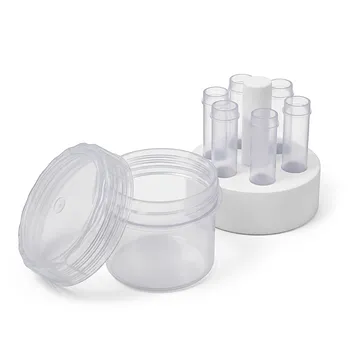
- High Purity Corrosion Resistant PFA Reaction Vessel with PTFE Holder and Integrated Sampling Tube for Trace Analysis
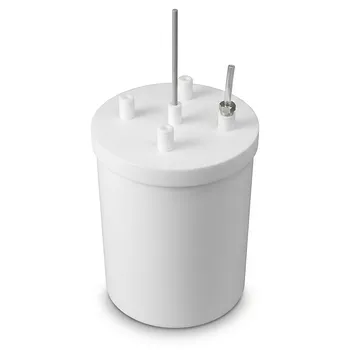
- Large Corrosion Resistant PTFE Reaction Tank Integrated Digestion Barrel Leak Proof Vessel
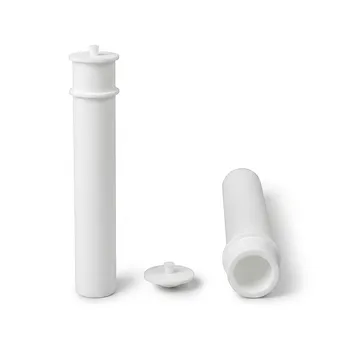
- Custom 100ml PTFE Digestion Tube for Heavy Metal Trace Analysis and High Temperature Acid Digestion
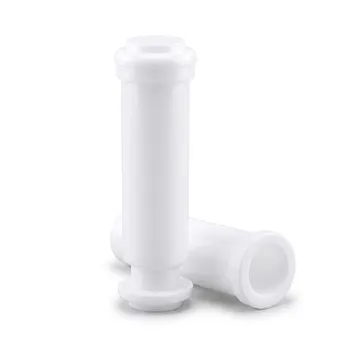
- Custom High Purity TFM Microwave Digestion Vessel 100ml for Analytical Laboratory Sample Preparation
- PTFE Lined High Pressure Digestion Vessel 50ml High Temperature Hydrothermal Synthesis Tank
People Also Ask
- Why is the choice of reaction vessel material critical during B-NiBDC synthesis? Optimize MOF Purity & Performance
- How do the material choice and sealing integrity of the reaction vessel affect the growth of NiFe-LDH? Optimize Synthesis
- Why are well-sealed reaction vessels necessary for superacid-promoted Friedel-Crafts polycondensation? Optimize Synthesis
- Role of reaction vessels in alkali treatment for oil palm waste: Achieve High-Purity Cellulose with PTFE Vessels
- What is the role of high chemical inertness reaction vessels in the organic synthesis of acylhydrazone ligands? | Guide