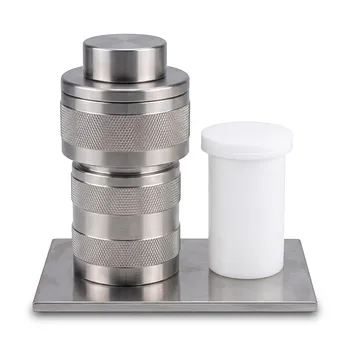
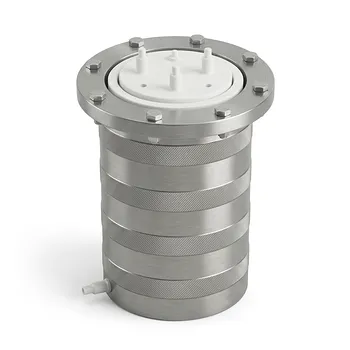
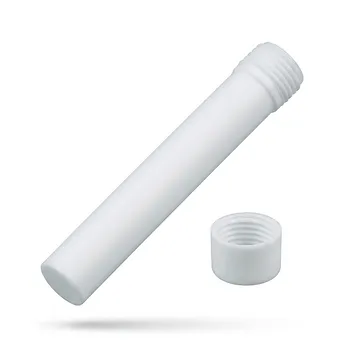
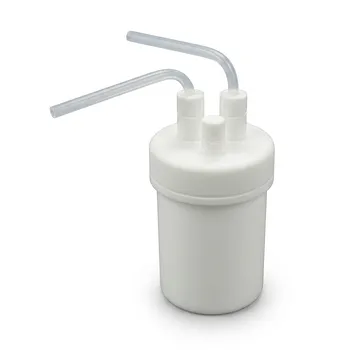
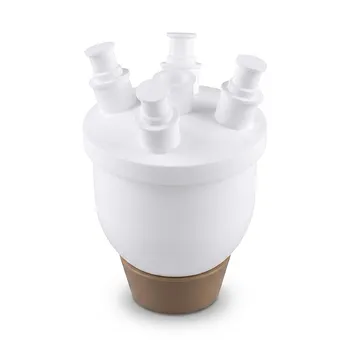
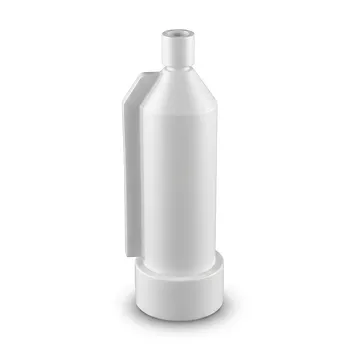
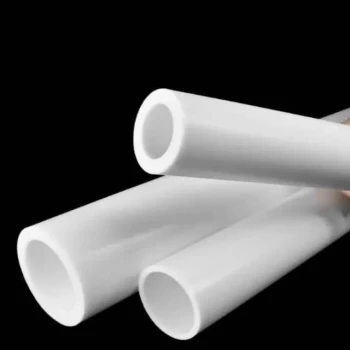
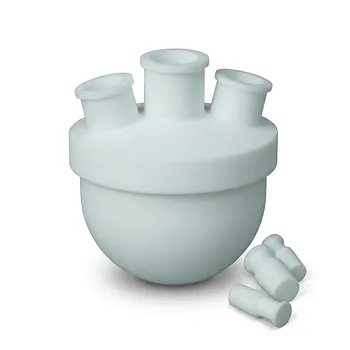
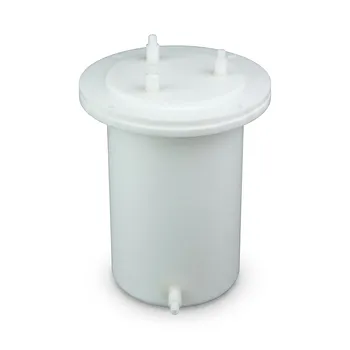
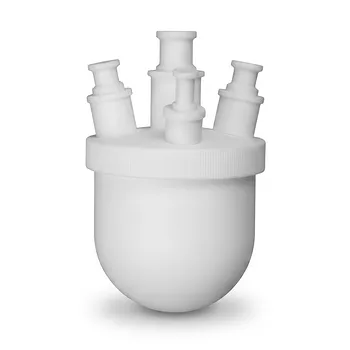
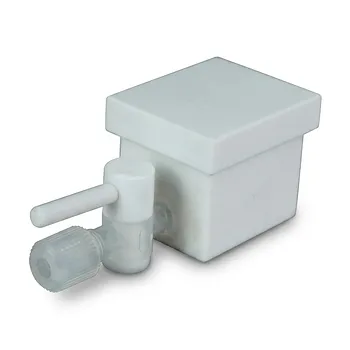
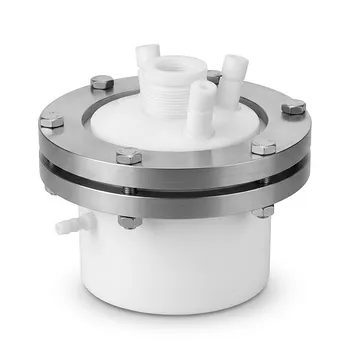
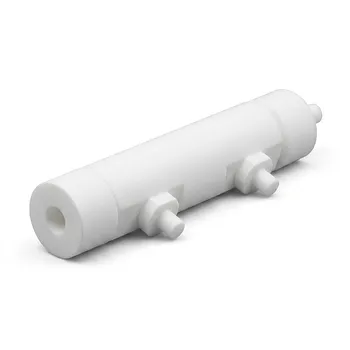
The primary function of Polytetrafluoroethylene (PTFE) liners is to provide a chemically inert and corrosion-resistant reaction environment. In the hydrothermal synthesis of (Bi2O2)(Fe1-xMxF4) oxyfluorides, these liners specifically protect the stainless steel autoclave from aggressive hydrofluoric acid and prevent metal ion contamination from leaching into the final product.
Core Takeaway: PTFE liners serve as the critical interface between corrosive reagents and the structural reactor vessel. They ensure the chemical integrity of the synthesis process by resisting extreme acidity while maintaining the high purity required for specialized oxyfluoride materials.
Resistance to Extreme Corrosive Media
Neutralizing the Threat of Hydrofluoric Acid
The synthesis of (Bi2O2)(Fe1-xMxF4) oxyfluorides typically involves hydrofluoric acid (HF) as a reaction medium. HF is exceptionally aggressive and will rapidly erode standard laboratory glassware and most metal alloys.
The Advantage of High-Purity PTFE
High-purity PTFE is utilized because it is chemically inert to almost all reagents, including fluoride ions. This material stability allows the reaction to proceed at high temperatures without the container itself participating in the chemical process.
Maintaining a Sealed Reaction Environment
Beyond chemical resistance, the liner ensures a tightly sealed environment. This containment is vital for the hydrothermal method, which relies on the internal pressure generated by heating solvents above their boiling points to drive the synthesis.
Protection of Structural Integrity and Purity
Safeguarding the Stainless Steel Autoclave
High-pressure digestion vessels are typically constructed from stainless steel for structural strength. However, the steel cannot withstand direct contact with acidic precursors; the PTFE liner acts as a sacrificial barrier that prevents the outer vessel from corroding or failing under pressure.
Elimination of Metal Ion Contamination
If the reaction medium were to contact the metal walls, iron, chromium, or nickel ions could leach into the solution. By isolating the reactants, the PTFE liner ensures that the (Bi2O2)(Fe1-xMxF4) crystals remain free from unwanted metal impurities that would otherwise degrade their properties.
Facilitating Product Recovery
The non-stick surface of PTFE is a secondary but vital benefit. It prevents the synthesized oxyfluoride powders from adhering to the container walls, which facilitates the efficient recovery of nanomaterials and ensures a higher yield of the target crystal structure.
Understanding the Trade-offs and Limits
Thermal Constraints
While PTFE is highly resilient, it has a definite thermal ceiling, typically around 220°C. Exceeding this temperature can cause the liner to soften or deform, potentially leading to a loss of the seal and catastrophic failure of the pressure vessel.
Pressure and Expansion Issues
PTFE has a higher coefficient of thermal expansion than the steel jacket surrounding it. If the liner is not sized correctly or if the cooling process is too rapid, the differential expansion can cause the liner to crack or become permanently misshapen.
Permeability Concerns
At very high pressures and temperatures, some small molecules or gases can slowly diffuse into the PTFE wall. Over time, this can lead to "ghosting" or cross-contamination between different synthesis batches if the liners are not meticulously cleaned or replaced.
How to Apply This to Your Project
When selecting or maintaining liners for hydrothermal synthesis, your choice should be dictated by the specific chemical environment and safety parameters of your experiment.
- If your primary focus is synthesizing high-purity oxyfluorides: Always use high-purity PTFE liners to ensure no transition metal ions from the autoclave wall interfere with the magnetic or electronic properties of your sample.
- If your primary focus is reacting at temperatures above 220°C: You must switch from standard PTFE to Para-polyphenylene (PPL) liners, which offer higher thermal stability while maintaining similar chemical resistance.
- If your primary focus is working with concentrated hydrofluoric acid: Ensure the PTFE liner is inspected for "crazing" or surface pitting before every run to prevent acid from seeping through to the stainless steel shell.
By acting as both a shield for the hardware and a sanctuary for the chemical reaction, the PTFE liner remains the most critical component for successful high-pressure hydrothermal synthesis.
Summary Table:
| Feature | Primary Benefit | Technical Limitation |
|---|---|---|
| Chemical Inertness | Protects vessels from aggressive HF acid | Temperature limit of ~220°C |
| High Purity | Prevents metal ion leaching from stainless steel | Small molecule permeability at high pressure |
| Non-Stick Surface | Facilitates easy recovery of nanomaterial powders | High thermal expansion coefficient |
| Pressure Containment | Maintains the sealed environment for synthesis | Requires precise sizing for steel jackets |
Maximize Your Lab’s Synthesis Potential with KINTEK
Ensure the integrity of your high-pressure reactions with high-performance fluoropolymer solutions from KINTEK. Whether you are synthesizing complex oxyfluorides or performing trace analysis, our precision-crafted PTFE and PFA products provide the ultimate barrier against corrosion and contamination.
From everyday basic labware like beakers, crucibles, and digestion tubes to advanced reaction apparatus such as hydrothermal synthesis liners, microwave digestion vessels, and custom electrochemical cells, KINTEK manufactures virtually every laboratory supply you need. Backed by end-to-end custom CNC fabrication, we deliver everything from complex non-standard machined parts to high-volume orders with an exclusive focus on high-performance materials.
Ready to upgrade your research environment? Contact KINTEK today for bespoke laboratory setups and high-purity fluoropolymer supplies!
References
- Jonas Wolber, Olivier Mentré. Structural and magnetic properties of mixed-metal (Bi<sub>2</sub>O<sub>2</sub>)(Fe<sub>1−<i>x</i></sub>M<sub><i>x</i></sub>F<sub>4</sub>) Aurivillius oxyfluorides. DOI: 10.1039/d5dt01303h
This article is also based on technical information from Kintek Knowledge Base .
Related Products
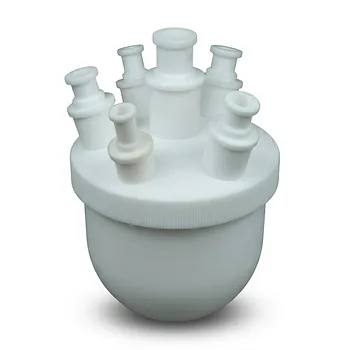
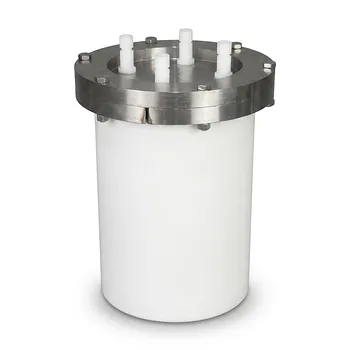
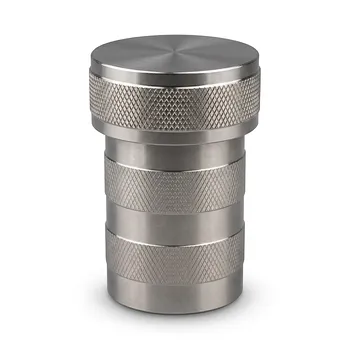
- PTFE Lined High Pressure Digestion Vessel 50ml High Temperature Hydrothermal Synthesis Tank
- High Pressure Custom TFM Reactor Stainless Steel Outer Vessel PTFE Inner Cup for Corrosive Synthesis
- Custom TFM Reaction Vessel with Stainless Steel Jacket and PTFE Inner Cup for High Corrosion Resistance
- High Purity TFM Microwave Digestion Vessels PTFE Acid Evaporation Liners Domestic GT-400 Equivalent Laboratory Reaction Containers
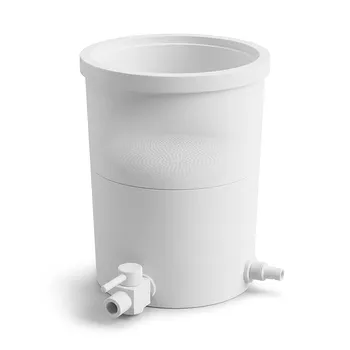
- Custom PTFE Continuous Reaction Bottles Virgin Fluoropolymer High Purity Low Background Synthesis Vessels
People Also Ask
- What are the benefits of using a PTFE-lined vessel for carbon-sulfur cathode treatment? Maximize Purity & Performance
- Why are PTFE-lined pressure digestion vessels required for the preparation of Ag/CeO2 catalysts? Purity & Performance
- What safety features are typically incorporated into high-pressure PTFE digestion vessel designs? Ensure Lab Safety
- What is the function of high-pressure PTFE digestion vessels in mineral analysis? Optimize Sample Mineralization
- What is the function of PTFE lined high-pressure vessels in g-C3N4 synthesis? Achieve High-Purity Material Growth