The primary function of high-pressure autoclaves in the hydrothermal synthesis of Zinc Oxide (ZnO) single crystals is to create a sealed environment that maintains aqueous solutions at temperatures and pressures significantly above their normal boiling points. This specialized environment facilitates the dissolution of raw materials into the solvent and their subsequent recrystallization into large-scale, high-quality bulk crystals. By enabling these processes at relatively low temperatures, the autoclave serves as the essential hardware foundation for the low-cost industrial production of ZnO.
The high-pressure autoclave acts as a thermodynamic catalyst, forcing solvents to remain liquid at extreme temperatures to increase precursor solubility. This state allows for the precise control of supersaturation and nucleation, which is necessary for growing high-purity crystals with specific morphologies and orientations.
Overcoming Physical Limits of Solvents
Maintaining the Liquid Phase
At standard atmospheric pressure, water boils at 100°C, limiting the energy available for chemical reactions. The sealed autoclave prevents evaporation, allowing the solvent to reach temperatures (such as 150°C or higher) while remaining in a liquid state.
Enhancing Precursor Solubility
Many zinc precursors have low solubility under standard conditions. The high-pressure environment substantially increases the solubility and reaction activity of these reactants, ensuring that the precursor salts, such as zinc nitrate or hydroxide, dissolve completely into the aqueous medium.
The Dissolution-Recrystallization Mechanism
Facilitating Material Transport
The autoclave environment creates a temperature gradient that drives the dissolution-recrystallization process. Raw materials dissolve in the hotter zone of the vessel and are transported to a seed crystal or growth zone where they precipitate out of the supersaturated solution.
Achieving High Crystallinity
By providing a stable, closed system, the autoclave promotes oriented crystallization. This leads to the formation of ZnO with high crystallinity and well-defined phases, such as the wurtzite structure, which is critical for the material’s electronic and optical properties.
Precision Control of Crystal Morphology
Regulation of Growth Kinetics
The high-pressure environment allows researchers to tune the nucleation and growth kinetics. This is the core of crystal facet engineering, where specific planes (like 101, 103, or 112) are encouraged to grow preferentially.
Anisotropic Growth and Doping
Pressure-assisted thermal treatment enables anisotropic growth, allowing the synthesis of specific shapes like nanorods or nanowires. Furthermore, these conditions facilitate the incorporation of foreign ions, such as manganese, into the ZnO lattice to form solid solutions that would be impossible at lower pressures.
Understanding the Trade-offs and Constraints
Equipment Costs and Safety
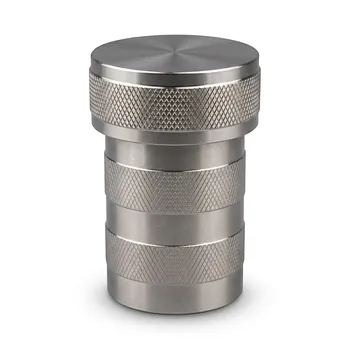
While autoclaves enable low-temperature synthesis compared to vapor-phase methods, the equipment itself must be built to withstand extreme internal pressures. This requires high-grade stainless steel and sophisticated sealing mechanisms, increasing initial capital expenditure and requiring strict safety protocols.
Chemical Compatibility and Purity
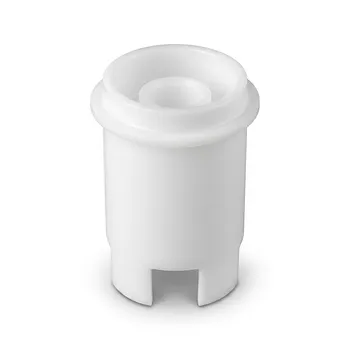
Strongly alkaline environments, common in ZnO synthesis, can corrode the internal walls of a steel autoclave. To maintain chemical purity, high-quality Polytetrafluoroethylene (PTFE) liners must be used to prevent metal ion contamination, which adds a layer of maintenance and limits the maximum operating temperature to the thermal stability of the plastic.
Growth Rate vs. Quality
Hydrothermal growth in an autoclave is often a slow process. While it produces superior bulk single crystals with fewer defects, the time required for crystal growth can be significantly longer than faster, less controlled synthesis methods.
Selecting the Right Approach for Your Goal
How to Apply This to Your Project
To achieve the best results in ZnO synthesis, you must align your autoclave parameters with your specific material requirements.
- If your primary focus is industrial-scale production: Prioritize large-volume stainless steel autoclaves with robust thermal management to ensure consistent bulk crystal growth at the lowest possible operating temperature.
- If your primary focus is high-purity research or doping: Utilize PTFE-lined autoclaves to eliminate metallic contamination and ensure the successful incorporation of dopants like manganese into the lattice.
- If your primary focus is morphology and facet engineering: Focus on precise pressure and temperature programmatic control to regulate the supersaturation levels required for anisotropic growth along the [0001] direction.
The high-pressure autoclave remains the indispensable tool for transforming raw zinc precursors into the high-performance single crystals required for modern technological applications.
Summary Table:
| Key Function | Role in ZnO Synthesis | Critical Requirement |
|---|---|---|
| Phase Maintenance | Keeps solvent liquid at temperatures >100°C | High-pressure sealing |
| Solubility Boost | Dissolves zinc precursors effectively | Thermodynamic stability |
| Material Transport | Facilitates dissolution-recrystallization | Temperature gradient control |
| Phase Purity | Promotes stable wurtzite structure growth | PTFE/PFA lining for purity |
| Morphology Control | Regulates nucleation and facet engineering | Precise pressure management |
Elevate Your Crystal Growth with KINTEK’s High-Performance Fluoropolymers
In the high-stakes environment of ZnO hydrothermal synthesis, chemical purity and corrosion resistance are non-negotiable. KINTEK provides the essential high-performance solutions required to protect your samples and equipment from aggressive alkaline conditions.
We manufacture a comprehensive range of laboratory supplies crafted exclusively from PTFE and PFA, including:
- Basic Labware: Beakers, crucibles, reagent bottles, and centrifuge tubes.
- Sample Prep & Filtration: Separatory funnels, filters, pipettes, and high-purity trace analysis tools.
- Reaction Hardware: Standard and custom hydrothermal synthesis liners, microwave digestion vessels, and microchannel reactors.
- Fluid Components: Tubing, fittings, valves, and high-performance gaskets.
Whether you need bulk consumables like stirring bars and seal tapes or bespoke, custom CNC-fabricated components for complex laboratory setups, KINTEK offers end-to-end expertise in fluoropolymer materials.
Ensure absolute purity in your next synthesis. Contact our experts today for high-performance lab solutions tailored to your specific research needs.
References
- T. Abe, Hiroyuki Osada. Identification of defects and impurities in hydrothermally grown ZnO single crystals by ESR. DOI: 10.1007/s10854-025-14951-4
This article is also based on technical information from Kintek Knowledge Base .
Related Products
- PTFE Lined High Pressure Digestion Vessel 50ml High Temperature Hydrothermal Synthesis Tank
- High Temperature Corrosion Resistant Hydrothermal Synthesis Reactor with TFM Inner Liner and Straight Cylinder Design
- Custom TFM Reaction Vessel with Stainless Steel Jacket and PTFE Inner Cup for High Corrosion Resistance
- High Pressure PTFE Digestion Vessel Inner Cup Holder Custom Corrosion Resistant Low Background Teflon
- High Performance TFM Microwave Digestion Vessel Rack 15 Position Customizable Sample Preparation Support
People Also Ask
- What are the benefits of using a PTFE-lined vessel for carbon-sulfur cathode treatment? Maximize Purity & Performance
- Why are PTFE-lined pressure digestion vessels required for the preparation of Ag/CeO2 catalysts? Purity & Performance
- What is the function of high-pressure PTFE digestion vessels in mineral analysis? Optimize Sample Mineralization
- What safety features are typically incorporated into high-pressure PTFE digestion vessel designs? Ensure Lab Safety
- What is the function of PTFE lined high-pressure vessels in g-C3N4 synthesis? Achieve High-Purity Material Growth