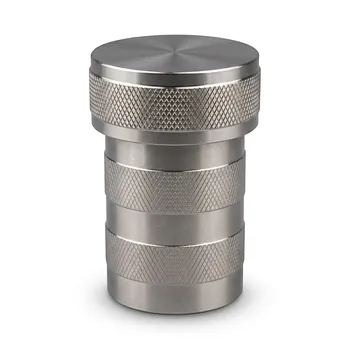
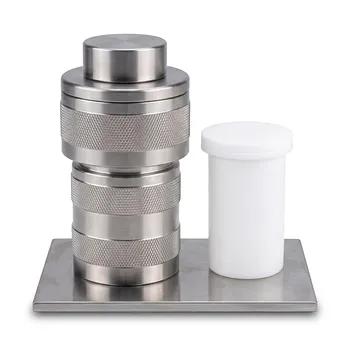
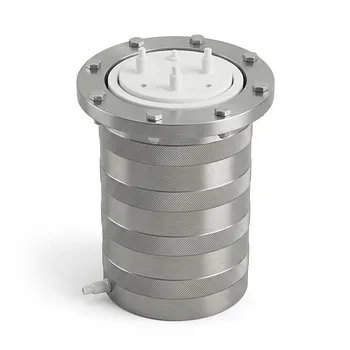
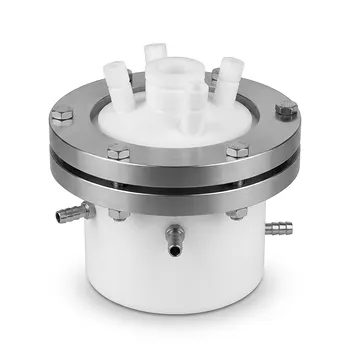
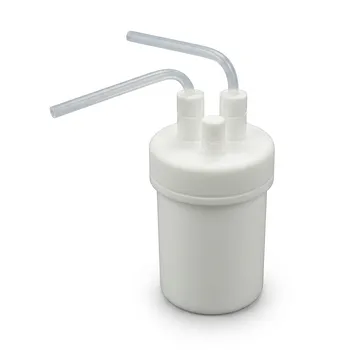
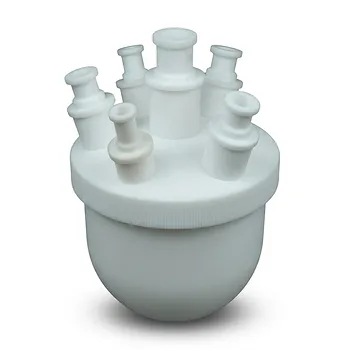
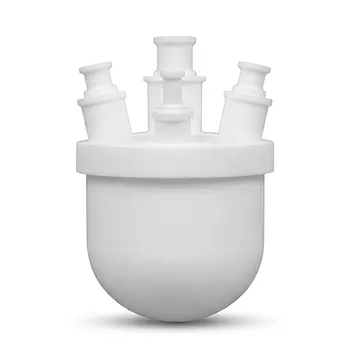
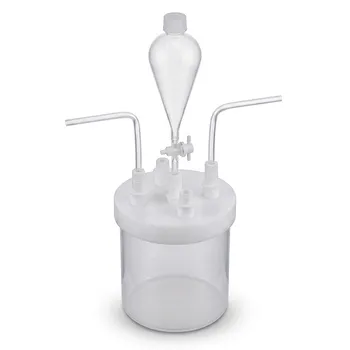
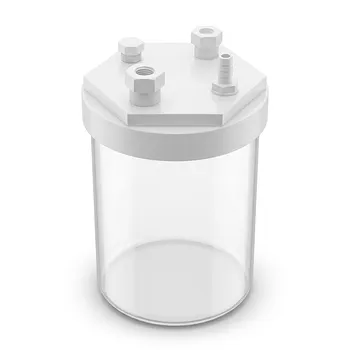
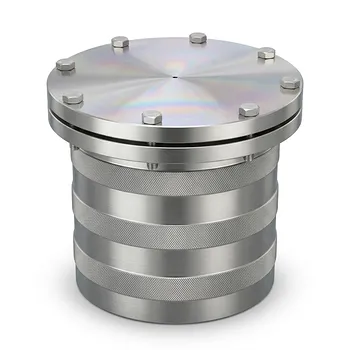
The primary function of a hydrothermal synthesis reactor lining is to serve as a critical physical and chemical barrier between the reactive medium and the structural stainless-steel vessel. This isolation prevents highly corrosive fluids at elevated temperatures and pressures from attacking the metal shell, avoiding oxidation, dissolution, or stress-corrosion cracking. Simultaneously, it ensures the purity of the synthesis environment by preventing metal ions from the reactor body from leaching into and contaminating the final product.
The lining acts as an inert interface that protects the mechanical integrity of the autoclave while providing a controlled, contaminant-free space for chemical reactions. It is the essential component that enables the synthesis of high-purity nanomaterials and crystals under extreme conditions.
The Critical Role of Structural Protection
Preventing Metal Degradation
At high temperatures and pressures, aqueous solutions become significantly more reactive and exhibit high solvating power. The lining prevents these aggressive fluids from making direct contact with the stainless-steel outer shell, which would otherwise undergo rapid oxidation or dissolution.
Mitigating Stress-Corrosion Cracking
High-pressure environments place the metal vessel under immense mechanical stress. Without an inert liner, the combination of chemical attack and physical pressure can lead to stress-corrosion cracking, a catastrophic failure mode for pressure vessels.
Ensuring Material Purity and Quality
Eliminating Metal Ion Contamination
In the production of catalysts or functional materials like hydrochar, maintaining high purity is vital. The lining blocks the introduction of metal ion impurities into the reaction mixture, ensuring that the functional groups on the material's surface remain uncontaminated.
Facilitating Controlled Nucleation
By providing a sealed and stable environment, the liner allows for uniform nucleation and directional growth of crystalline phases. This is critical for achieving the microscopic consistency and irregular morphologies required for advanced catalysts, such as amino acid-modified copper or nickel-iron layered double hydroxides.
Optimizing Crystal Architecture
The controlled environment within the liner guides the assembly of molecules and ions at the microscopic level. This leads to the formation of materials with optimized pore structures and higher oxygen vacancy concentrations, which are essential for superior catalytic efficiency.
Material Composition and Capabilities
Polytetrafluoroethylene (PTFE) Linings
PTFE is the most common lining material due to its exceptional chemical inertness and cost-effectiveness. It can typically withstand temperatures up to 220°C, making it suitable for a wide range of standard hydrothermal synthesis applications.
Para-polyphenylene (PPL) Linings
For reactions requiring higher thermal energy, PPL linings are utilized. These polymers offer enhanced heat resistance compared to PTFE, allowing researchers to perform synthesis at temperatures that would otherwise cause standard liners to deform or melt.
Understanding the Trade-offs
Temperature and Pressure Constraints
While the lining protects the reactor, it is also the weakest link regarding thermal limits. Exceeding the rated temperature of a PTFE or PPL liner can cause it to soften or leak, potentially exposing the stainless-steel vessel to corrosive damage.
Mechanical Deformation and Fatigue
Repeated heating and cooling cycles can cause the liner to undergo thermal expansion and contraction, leading to permanent deformation over time. This "creep" can eventually compromise the seal, necessitating regular inspection and replacement of the liner to ensure safety.
How to Apply This to Your Project
Selecting the Right Configuration
- If your primary focus is high-purity nanomaterial synthesis: Utilize a high-quality PTFE liner to ensure zero metal ion interference and maximum chemical inertness.
- If your primary focus is reactions exceeding 220°C: Opt for a PPL (Polyphenylene Polymer) lining to maintain structural integrity at higher thermal thresholds.
- If your primary focus is long-term reactor safety: Establish a strict replacement schedule for liners to prevent mechanical fatigue from causing leaks into the stainless-steel shell.
The hydrothermal reactor lining is the indispensable "inner sanctum" that balances the need for extreme chemical reactivity with the necessity of structural safety and material purity.
Summary Table:
| Feature | Description |
|---|---|
| Primary Function | Acts as a chemical barrier between reactive media and the steel vessel. |
| Vessel Protection | Prevents oxidation, dissolution, and catastrophic stress-corrosion cracking. |
| Purity Assurance | Eliminates metal ion leaching, ensuring clean nucleation and crystal growth. |
| Material Choice | PTFE (up to 220°C) for standard use; PPL for higher temperature resistance. |
Secure Your Synthesis Success with KINTEK
Maximize the purity and safety of your laboratory processes with KINTEK’s high-performance fluoropolymer solutions. From high-purity PTFE and PFA hydrothermal synthesis liners and microwave digestion vessels to essential labware like beakers, reagent bottles, and complex fluid transfer components, we manufacture virtually every laboratory supply you can imagine.
Whether you require standard consumables or bespoke, custom CNC-machined parts for advanced reaction apparatus, KINTEK’s exclusive focus on high-performance fluoropolymers ensures your research remains uncontaminated and your equipment stays protected.
Ready to upgrade your lab setup? Contact our experts today to discuss your custom requirements!
Related Products
- High Temperature Corrosion Resistant Hydrothermal Synthesis Reactor with TFM Inner Liner and Straight Cylinder Design
- PTFE Lined High Pressure Digestion Vessel 50ml High Temperature Hydrothermal Synthesis Tank
- High Pressure Custom TFM Reactor Stainless Steel Outer Vessel PTFE Inner Cup for Corrosive Synthesis
- Custom PTFE Reaction System with Hose Barb Fittings Corrosion Resistant High Sealing 2L 4L Lab Reactor with Separatory Funnel
- Custom PTFE Continuous Reaction Bottles Virgin Fluoropolymer High Purity Low Background Synthesis Vessels
People Also Ask
- What is the role of a corrosion-resistant reactor in the synthesis of lignin-based carbon dots? Ensure Maximum Purity
- What are the technical advantages of using hydrothermal synthesis reactors for advanced electronic & optical nanomaterials?
- How does a hydrothermal synthesis reactor facilitate the production of crystalline materials with tailored morphologies? Precision Crystal Growth
- Why is the sealing reliability of a hydrothermal synthesis reactor critical for 24-hour cycles? Ensure Nano-Precision
- What role do hydrothermal synthesis reactors play in CQD preparation? Achieve High-Purity Nanomaterial Synthesis