Knowledge Hydrothermal synthesis reactor What is the function of sealed reaction vessels in Bi-TDC MOF synthesis? Ensure High Crystallinity and Purity
Author avatar

Tech Team · Kintek

Updated 1 month ago

What is the function of sealed reaction vessels in Bi-TDC MOF synthesis? Ensure High Crystallinity and Purity


In the solvothermal synthesis of Bismuth-Thiophene-2,5-dicarboxylate (Bi-TDC), sealed reaction vessels create a high-pressure, high-temperature environment that allows solvents to exceed their normal boiling points. This setup enhances the penetration capability of solvents like DMF or ethanol, facilitating full coordination between bismuth ions and 2,5-thiophenedicarboxylic acid ligands to produce highly crystalline nanosheets with stable skeletal structures.

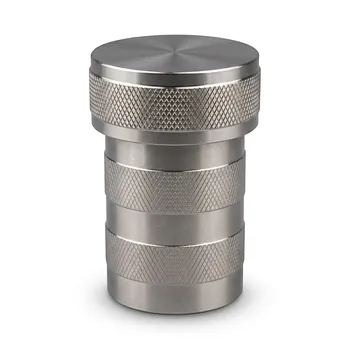
The central role of a high-pressure autoclave is to transition the reaction into a subcritical state where increased solubility and autogenous pressure drive the precise assembly of the metal-organic framework. By maintaining a closed system, the vessel ensures structural integrity and chemical purity that cannot be achieved under ambient conditions.

Overcoming Thermal and Kinetic Barriers

The primary function of the sealed vessel is to manipulate the physical properties of the solvent to favor MOF formation.

Achieving Superheated Solvent States

In an open system, solvents like ethanol or DMF would evaporate at their boiling points, limiting the thermal energy available for the reaction. A sealed autoclave allows the temperature to rise significantly higher, creating a superheated state that provides the activation energy necessary for bismuth ions and TDC ligands to react.

Enhancing Precursor Solubility

Under the high-pressure conditions generated within the vessel, the solubility of the organic ligand (2,5-thiophenedicarboxylic acid) and the metal precursor increases dramatically. This ensures that the reactants are fully dissolved and available for coordination, preventing the formation of amorphous impurities.

Generating Autogenous Pressure

As the temperature rises within the fixed volume of the vessel, autogenous pressure is created. This pressure forces the solvent into the internal pores and coordination sites of the growing framework, which is essential for the transition from a simple mixture to a complex 3D or 2D crystalline nanosheet.

Structural Refinement and Crystallinity

The closed environment does more than just heat the mixture; it provides the conditions required for high-quality crystal growth.

Facilitating Full Coordination

For Bi-TDC to achieve its characteristic nanosheet morphology, the bismuth ions must achieve full coordination with the thiophene-based ligands. The constant pressure environment ensures that these coordination bonds form uniformly across the material, leading to a stable and well-ordered skeletal structure.

Promoting Bond Repair and Equilibrium

Solvothermal synthesis in a sealed vessel operates under a dynamic equilibrium. This allows coordination bonds to break and reform slowly, a process known as "error correction," which repairs defects in the lattice and results in large-sized, high-crystallinity single crystals.

Preventing Solvent Loss and Contamination

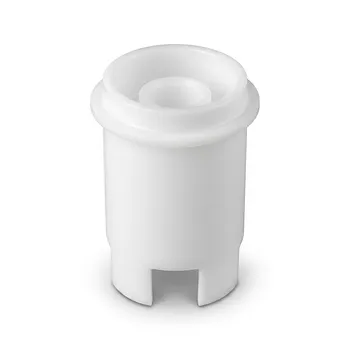
A sealed system prevents the loss of volatile components, ensuring the stoichiometry of the reaction remains constant throughout the process. Furthermore, the use of chemically inert liners (such as PTFE or PFA) inside the autoclave prevents the metal precursors from reacting with the container walls, preserving the purity of the Bi-TDC.

Understanding the Trade-offs

While sealed vessels are essential for Bi-TDC synthesis, they introduce specific challenges that must be managed.

Safety and Pressure Management

The primary risk involves the massive build-up of internal pressure, which can lead to vessel failure if the "fill level" is too high or the temperature exceeds the vessel's rating. Monitoring the expansion coefficient of the solvent mixture is critical to prevent dangerous over-pressurization.

Temperature Limitations of Liners

Most high-pressure autoclaves rely on fluoropolymer liners like PTFE to maintain purity. However, these liners begin to soften and lose structural integrity at temperatures above 250°C (523 K), which sets a hard ceiling on the thermal energy that can be applied to the synthesis.

The "Black Box" Nature of Synthesis

Because the reaction occurs inside a thick-walled stainless steel container, it is impossible to observe the crystallization process in real-time. This requires researchers to rely on precise timing and post-reaction analysis, making the optimization of Bi-TDC growth a matter of iterative trial and error.

How to Apply This to Your Project

When selecting a vessel or setting parameters for Bi-TDC synthesis, your choice should align with your specific material requirements.

  • If your primary focus is high crystallinity: Use a larger volume autoclave with a lower fill level to allow for slow, controlled autogenous pressure build-up and bond refinement.
  • If your primary focus is rapid production: Utilize microwave-assisted sealed vessels, which allow for rapid heating and faster nucleation of the Bi-TDC crystals.
  • If your primary focus is chemical purity: Ensure the vessel is equipped with a pristine PTFE or PFA liner to prevent any interaction between the bismuth ions and the steel walls of the reactor.

The high-pressure environment of the autoclave is the fundamental catalyst that transforms individual chemical precursors into a sophisticated, highly ordered Bi-TDC metal-organic framework.

Summary Table:

Function Physical Mechanism Impact on Bi-TDC MOF
Superheating Solvent exceeds normal boiling point Provides activation energy for coordination
Autogenous Pressure Internal pressure from thermal expansion Forces solvent into coordination sites
Dynamic Equilibrium Slow bond breaking and reformation Repairs lattice defects for high crystallinity
Chemical Isolation Inert PTFE/PFA liner usage Prevents ion contamination from vessel walls
Supercritical State Increased reactant solubility Ensures full dissolution of TDC ligands

Elevate Your Research with KINTEK’s High-Performance Fluoropolymers

Achieve precision and purity in your MOF synthesis with KINTEK. We provide an exhaustive range of high-performance laboratory supplies crafted exclusively from PTFE and PFA to withstand the rigorous demands of solvothermal reactions.

From hydrothermal synthesis liners, microwave digestion vessels, and custom reaction apparatus to everyday essentials like high-purity beakers, reagent bottles, and fluid transfer components (tubing, fittings, valves), our products ensure zero contamination for your Bi-TDC projects.

Why partner with KINTEK?

  • End-to-End Customization: Bespoke CNC fabrication for non-standard machined parts and complex laboratory setups.
  • Unmatched Material Focus: Absolute expertise in high-performance fluoropolymers for trace analysis and sample prep.
  • Scalable Solutions: From individual research tools to high-volume industrial orders.

Ready to optimize your laboratory environment? Contact KINTEK today to discuss your custom requirements and secure the high-purity tools your research deserves!

References

  1. Kang Yang, Jingjing Duan. An acid-tolerant metal-organic framework for industrial CO2 electrolysis using a proton exchange membrane. DOI: 10.1038/s41467-024-51475-7

This article is also based on technical information from Kintek Knowledge Base .

Related Products

People Also Ask

Related Products

PTFE Lined High Pressure Digestion Vessel 50ml High Temperature Hydrothermal Synthesis Tank

PTFE Lined High Pressure Digestion Vessel 50ml High Temperature Hydrothermal Synthesis Tank

This premium 50ml high pressure digestion vessel features a precision-engineered PTFE lining for superior chemical resistance. Ideal for trace metal analysis and hydrothermal synthesis, this unit ensures high-purity results through robust, fully customizable industrial-grade construction and specialized engineering.

Custom TFM Reaction Vessel with Stainless Steel Jacket and PTFE Inner Cup for High Corrosion Resistance

Custom TFM Reaction Vessel with Stainless Steel Jacket and PTFE Inner Cup for High Corrosion Resistance

Premium custom TFM reaction vessel featuring a stainless steel jacket and PTFE liner for ultimate chemical resistance. This high-pressure system ensures zero contamination in aggressive synthesis environments, providing industrial-grade reliability for critical laboratory applications and advanced materials research.

High Temperature Corrosion Resistant Hydrothermal Synthesis Reactor with TFM Inner Liner and Straight Cylinder Design

High Temperature Corrosion Resistant Hydrothermal Synthesis Reactor with TFM Inner Liner and Straight Cylinder Design

Professional grade high-pressure hydrothermal synthesis reactors featuring corrosion-resistant TFM liners and straight-wall geometry. These units are ideal for demanding chemical synthesis, trace analysis, and advanced material research where absolute purity and customizable performance are required for industrial lab excellence.

High Pressure Custom TFM Reactor Stainless Steel Outer Vessel PTFE Inner Cup for Corrosive Synthesis

High Pressure Custom TFM Reactor Stainless Steel Outer Vessel PTFE Inner Cup for Corrosive Synthesis

Engineered for extreme chemical resistance, this custom TFM reactor combines a robust stainless steel outer vessel with a high-purity PTFE liner, ensuring safe, durable performance in demanding laboratory and industrial synthesis applications.

High Pressure PTFE Digestion Vessel Inner Cup Holder Custom Corrosion Resistant Low Background Teflon

High Pressure PTFE Digestion Vessel Inner Cup Holder Custom Corrosion Resistant Low Background Teflon

Optimize trace analysis with custom PTFE high pressure digestion vessel cup holders. These corrosion resistant low background laboratory components provide exceptional chemical purity and precision fit for demanding sample preparation in metal free environments and high purity industrial laboratory workflows.

High Purity PTFE Microwave Digestion Vessel Replacement Liner for Acid Sample Preparation and Trace Analysis

High Purity PTFE Microwave Digestion Vessel Replacement Liner for Acid Sample Preparation and Trace Analysis

Premium PTFE microwave digestion vessels designed for extreme acid resistance and high-pressure performance. Engineered for trace analysis and sample preparation in industrial laboratories, these customizable liners provide superior durability and chemical inertness.

High Purity TFM Microwave Digestion Vessels PTFE Acid Evaporation Liners Domestic GT-400 Equivalent Laboratory Reaction Containers

High Purity TFM Microwave Digestion Vessels PTFE Acid Evaporation Liners Domestic GT-400 Equivalent Laboratory Reaction Containers

Premium PTFE and TFM microwave digestion vessels designed as high-performance replacements for GT-400 systems ensuring trace metal purity and chemical resistance for demanding laboratory digestion and acid evaporation processes with full custom fabrication capabilities available for unique requirements and specifications.

High Purity PTFE Microwave Digestion Vessel for Soil and Food Analysis Acid Resistant Fluoropolymer Sample Preparation Liners

High Purity PTFE Microwave Digestion Vessel for Soil and Food Analysis Acid Resistant Fluoropolymer Sample Preparation Liners

Engineered for high-pressure microwave digestion these ultra-pure PTFE liners provide exceptional resistance to concentrated acids during soil and food sample preparation ensuring zero contamination and uniform heating for precise heavy metal trace analysis in laboratory environments.

High Temperature PTFE Reaction Sieve with Customizable Layers and Precision Pore Sizes for Threaded Sample Separation Devices

High Temperature PTFE Reaction Sieve with Customizable Layers and Precision Pore Sizes for Threaded Sample Separation Devices

Engineered for extreme chemical environments, this customizable PTFE reaction sieve features adjustable layers and pore counts. Designed with secure threaded connections, it ensures reliable sample separation and high-temperature performance for demanding laboratory and industrial chemical reaction processes.

High Purity 25ml PTFE Syringe for Trace Analysis and Automated Syringe Pump Systems

High Purity 25ml PTFE Syringe for Trace Analysis and Automated Syringe Pump Systems

Precision-engineered 25ml PTFE syringe crafted from high-purity virgin resin. Designed for extreme chemical resistance and seamless integration with automated syringe pumps and FEP extension tubing in demanding B2B laboratory and industrial fluid transfer applications.

High Purity PTFE Acid Steam Cleaning System Trace Analysis Labware Decontamination Unit with Leak Proof Closed Reflux Technology and Customizable Multi Position Capacity

High Purity PTFE Acid Steam Cleaning System Trace Analysis Labware Decontamination Unit with Leak Proof Closed Reflux Technology and Customizable Multi Position Capacity

Optimize trace analysis workflows with this high-purity PTFE acid steam cleaning system. Featuring a leak-proof closed-loop design for significant acid savings and superior decontamination, this customizable unit ensures ultra-low background levels for sensitive ICP-MS and ICP-OES laboratory applications.

Large Scale PTFE Beakers and Flasks for High Temperature Corrosion Resistant Laboratory Applications with Custom CNC Fabrication

Large Scale PTFE Beakers and Flasks for High Temperature Corrosion Resistant Laboratory Applications with Custom CNC Fabrication

High-performance PTFE beakers and flasks offering superior chemical resistance and thermal stability for demanding laboratory environments. Fully customizable large-scale labware engineered with precision CNC fabrication to meet specific industrial requirements for high-purity trace analysis and chemical processing.

High Temperature Chemical Resistant 50ml PTFE Syringe Customized Teflon Injector with Threaded Seal for Trace Analysis

High Temperature Chemical Resistant 50ml PTFE Syringe Customized Teflon Injector with Threaded Seal for Trace Analysis

Engineered from virgin PTFE, this 50ml high-purity injector offers exceptional chemical resistance and thermal stability from -200°C to +250°C. Perfect for trace analysis, aggressive solvent handling, and precision dispensing in demanding laboratory environments.

PTFE Condensation Reflux and Gas Collection Apparatus for Corrosive Biochemical Processing Customizable High Temperature System

PTFE Condensation Reflux and Gas Collection Apparatus for Corrosive Biochemical Processing Customizable High Temperature System

High-performance PTFE condensation reflux and gas collection apparatus designed for corrosive biochemical processing. This customizable system offers superior thermal stability and chemical inertness, ensuring reliable performance in demanding laboratory environments where standard materials fail.

High Purity Laboratory Microwave Digestion Vessel Customizable PFA PTFE Digestion Tank for Analytical Sample Preparation Trace Metal Analysis

High Purity Laboratory Microwave Digestion Vessel Customizable PFA PTFE Digestion Tank for Analytical Sample Preparation Trace Metal Analysis

Professional PTFE and PFA microwave digestion vessels for high-precision trace analysis. These customizable digestion tanks provide exceptional chemical resistance and thermal stability for industrial laboratory sample preparation. Contact our engineering team for bespoke technical solutions.

High Purity TFM Microwave Digestion Vessels for Trace Analysis and Custom Sample Preparation Systems

High Purity TFM Microwave Digestion Vessels for Trace Analysis and Custom Sample Preparation Systems

Premium TFM microwave digestion vessels designed for high-pressure sample preparation. These customizable fluoropolymer liners ensure superior chemical resistance and thermal stability for trace metal analysis across diverse industrial laboratory applications.

High Purity PTFE Syringe 20ml Virgin Fluoropolymer Syringe Pump Compatible Chemical Resistant Sample Injection Tool

High Purity PTFE Syringe 20ml Virgin Fluoropolymer Syringe Pump Compatible Chemical Resistant Sample Injection Tool

Premium 20ml PTFE syringe crafted from 100% virgin material for extreme chemical resistance and syringe pump compatibility. Ideal for high-purity trace analysis and corrosive fluid handling in advanced laboratory research and industrial manufacturing environments.

PTFE Acid Steam Cleaning System HF Resistant Trace Analysis Beaker Digestion Tank Customizable

PTFE Acid Steam Cleaning System HF Resistant Trace Analysis Beaker Digestion Tank Customizable

Precision-engineered PTFE acid steam cleaning systems provide contaminant-free trace analysis environments. These high-purity PFA systems resist hydrofluoric acid, ensuring non-polluting results for digestion tanks and laboratory beakers through automated, customizable vapor cleaning protocols for demanding scientific laboratory research.

Custom Corrosion Resistant PTFE Vacuum Filtration System with Teflon Buchner Funnel for Research Laboratories

Custom Corrosion Resistant PTFE Vacuum Filtration System with Teflon Buchner Funnel for Research Laboratories

High-purity PTFE vacuum filtration system designed for extreme chemical resistance and contamination-free processing. Features customizable Teflon Buchner funnels and components for demanding research and university lab applications requiring absolute chemical inertness and precision performance.

Custom PTFE Multilayer Reaction Apparatus High Temperature Corrosion Resistant Threaded Modular Sieve System

Custom PTFE Multilayer Reaction Apparatus High Temperature Corrosion Resistant Threaded Modular Sieve System

Enhance chemical processing with this custom PTFE multilayer reaction apparatus featuring corrosion-resistant threaded connections and integrated sieve plates. Designed for high-temperature stability and precision filtration in demanding laboratory environments across pharmaceutical and semiconductor research and advanced industrial applications.


Leave Your Message