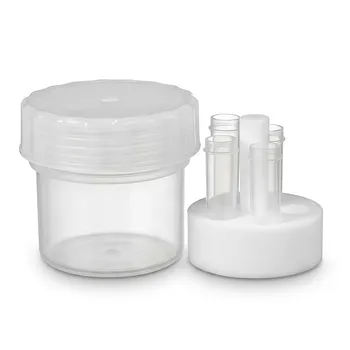
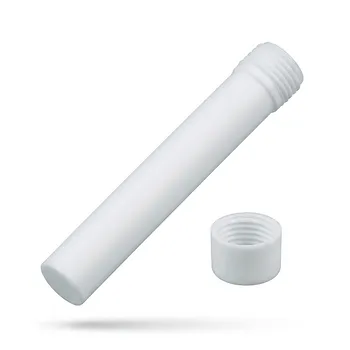
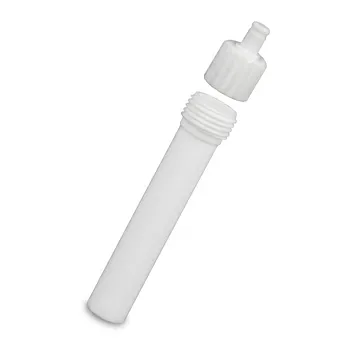
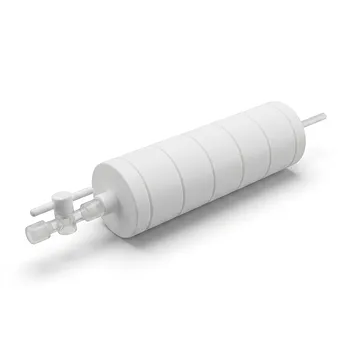
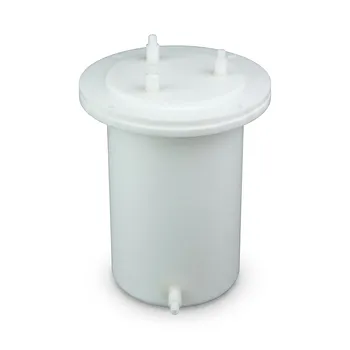
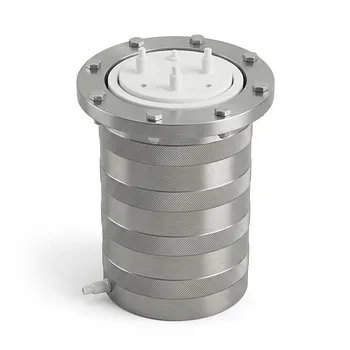
In the hydrothermal synthesis of transition metal borides, high-purity PTFE or PFA liners function as an essential chemical barrier that ensures product purity and protects the structural integrity of the reaction vessel. These liners isolate the aggressive reaction solution from the metallic walls of the reactor, preventing the leaching of metal ions that would otherwise contaminate the boride nanoparticles. Furthermore, their high thermal stability and non-stick properties facilitate the synthesis of uniform crystals and the complete recovery of the final powders.
Core Takeaway: PTFE and PFA liners provide a chemically inert, non-stick environment that is critical for maintaining the high purity of transition metal borides while shielding the autoclave from corrosion under extreme hydrothermal conditions.
The Role of Chemical Isolation and Purity
Preventing Metal Ion Contamination
Transition metal borides are highly sensitive to impurities during the crystallization process. High-purity liners effectively isolate the reaction media from the reactor's metallic walls, ensuring that no foreign metal ions migrate into the synthesized boride nanoparticles.
Creating a Chemically Inert Environment
Hydrothermal synthesis often involves the use of strong acids, bases, or organic solvents that can be highly corrosive at elevated temperatures. PTFE and PFA materials are chosen for their exceptional chemical inertness, which prevents the liner itself from reacting with the precursors or the solvent.
Protecting the Reactor Vessel
By acting as a physical shield, the liner prevents aggressive media from attacking the stainless steel or alloy body of the autoclave. This protection is vital for extending the service life of the expensive high-pressure equipment and maintaining safety during operation.
Enhancing Product Quality and Recovery
Thermal and Pressure Stability
Hydrothermal reactions occur under significant heat and internal pressure to drive crystal growth. These liners are engineered to maintain their structural integrity and chemical resistance even when subjected to the extreme conditions required for boride synthesis.
Non-Stick Surface for Product Collection
The naturally low surface energy of PTFE and PFA prevents synthesized nanoparticles from adhering to the vessel walls. This non-stick characteristic is essential for the efficient and complete recovery of micro- and nano-powders without loss or mechanical damage to the crystals.
Facilitating Uniform Morphology
A clean and controlled reaction environment is necessary for the growth of high-performance materials. By preventing leaching and maintaining a stable environment, these liners help ensure that the resulting borides exhibit uniform morphology and consistent chemical properties.
Understanding the Trade-offs
Temperature and Pressure Limitations
While highly resistant, these polymers have definitive thermal limits—typically around 220°C to 260°C depending on the specific grade. Exceeding these temperatures can lead to material softening or "creep," which may compromise the seal or cause the liner to deform permanently.
Permeability Concerns
Under high-pressure conditions, certain small molecules or gases can slowly permeate through the polymer matrix. Over time, this can lead to trapped moisture or chemicals between the liner and the metal shell, potentially causing hidden corrosion if the equipment is not maintained properly.
Mechanical Wear and Replacement
PTFE and PFA are softer than the metal vessels they inhabit and can be scratched or worn during cleaning or heavy use. Regular inspection and replacement are necessary to ensure that the chemical barrier remains intact and does not introduce physical contaminants into the reaction.
How to Optimize Your Synthesis Results
Making the Right Choice for Your Goal
- If your primary focus is maximum chemical purity: Always opt for high-purity, virgin PTFE or PFA liners to minimize the risk of trace element leaching during long reaction cycles.
- If your primary focus is high-temperature synthesis: Ensure your reactor's temperature profile does not exceed the specific safe operating limit of the liner material to prevent deformation.
- If your primary focus is product yield and recovery: Utilize the non-stick properties of PFA, which often provides a smoother surface finish than standard PTFE, to facilitate the collection of fine nanopowders.
By carefully selecting and maintaining high-purity liners, researchers can ensure the production of high-quality transition metal borides while safeguarding their laboratory equipment.
Summary Table:
| Key Feature | Role in Hydrothermal Synthesis |
|---|---|
| Chemical Inertness | Prevents metal ion leaching and precursor contamination. |
| Corrosion Shield | Protects the reactor's metallic body from aggressive acids and bases. |
| Non-Stick Surface | Enables high yield and easy recovery of fine nano-powders. |
| Thermal Stability | Maintains structural integrity under high pressure and heat (up to 260°C). |
| Purity Control | Facilitates uniform crystal growth and consistent chemical morphology. |
Elevate Your Synthesis Precision with KINTEK’s Fluoropolymer Expertise
At KINTEK, we specialize in the high-performance materials your research demands. Whether you are synthesizing transition metal borides or developing advanced nanoparticles, our high-purity PTFE and PFA solutions provide the ultimate chemical barrier.
From everyday basic labware like beakers, crucibles, and reagent bottles to specialized components like hydrothermal synthesis liners, microwave digestion vessels, and custom electrochemical cells, we cover the full spectrum of laboratory needs. Our capabilities include:
- Comprehensive Labware: Beakers, cylinders, digestion tubes, and filtration tools.
- Fluid Management: High-purity tubing, fittings, valves, and seal components.
- Advanced Apparatus: Custom battery testing fixtures, microchannel reactors, and reflux devices.
- Custom Fabrication: End-to-end CNC machining for bespoke, non-standard parts tailored to your unique reactor specs.
Don't let contamination compromise your results. Partner with KINTEK for high-volume orders or precision-engineered custom setups.
Contact our technical team today to optimize your lab setup!
References
- Tongzhou Hong, Zhong‐Shuai Wu. Fundamental Mechanisms, Synthesis Strategies and Key Challenges of Transition Metal Borides for Electrocatalytic Hydrogen Evolution. DOI: 10.1007/s41918-025-00255-y
This article is also based on technical information from Kintek Knowledge Base .
Related Products
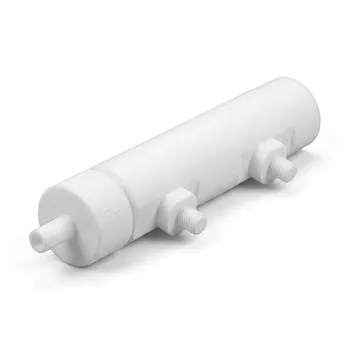
- PTFE Lined High Pressure Digestion Vessel 50ml High Temperature Hydrothermal Synthesis Tank
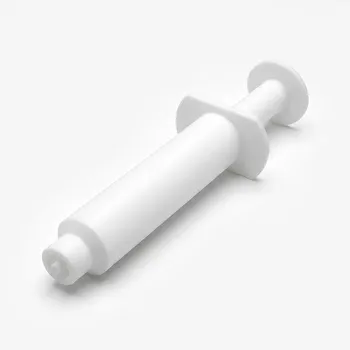
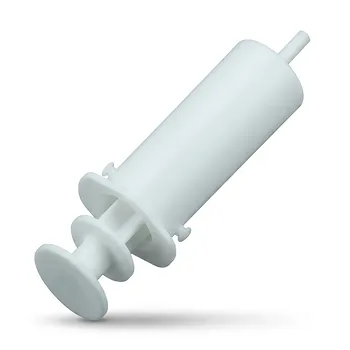
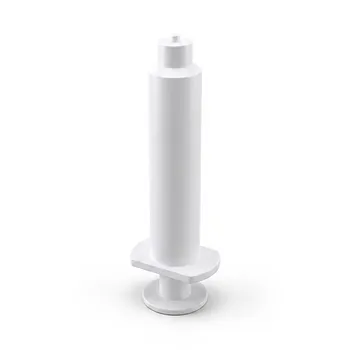
- High Purity Virgin PTFE Syringe 20ml Chemical Resistant Liquid Handling for Syringe Pumps and PFA Tubing Integration
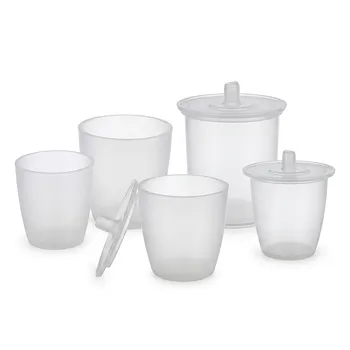
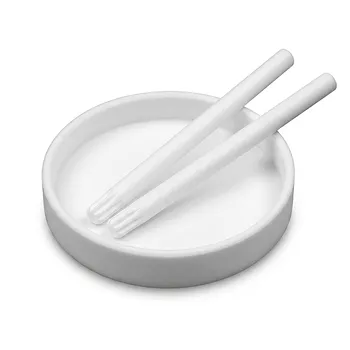
- High Purity PFA Crucible and Corrosion Resistant PTFE Beaker for Trace Analysis and Custom Laboratory Applications
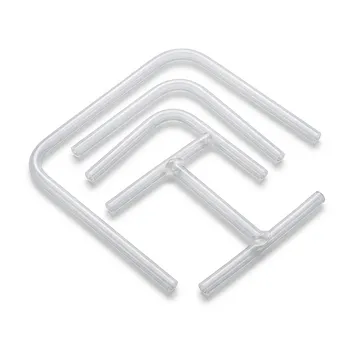
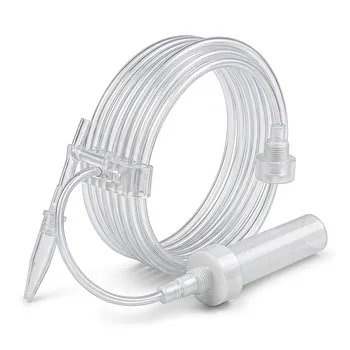
- High Purity PFA Coiled Tubing Custom PTFE Machining PFA Welding and Precision Bending Solutions
- High Purity PTFE Microwave Digestion Vessel for Soil and Food Analysis Acid Resistant Fluoropolymer Sample Preparation Liners
People Also Ask
- What are the benefits of using a PTFE-lined vessel for carbon-sulfur cathode treatment? Maximize Purity & Performance
- Why are PTFE-lined pressure digestion vessels required for the preparation of Ag/CeO2 catalysts? Purity & Performance
- What safety features are typically incorporated into high-pressure PTFE digestion vessel designs? Ensure Lab Safety
- What is the function of PTFE lined high-pressure vessels in g-C3N4 synthesis? Achieve High-Purity Material Growth
- Role of High-Pressure Digestion Tanks in Perovskite Synthesis: Achieve Superior Stability and Latent Heat