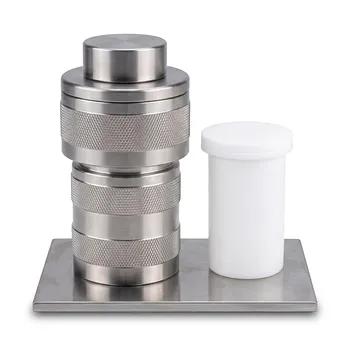
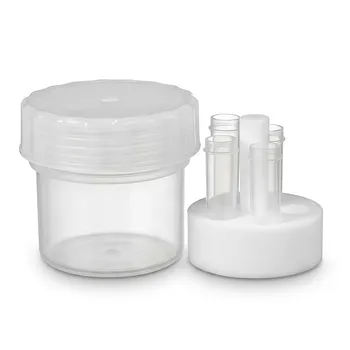
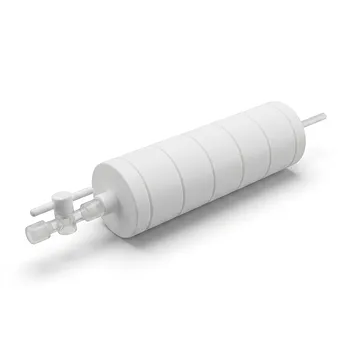
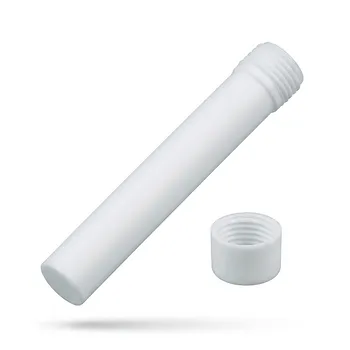
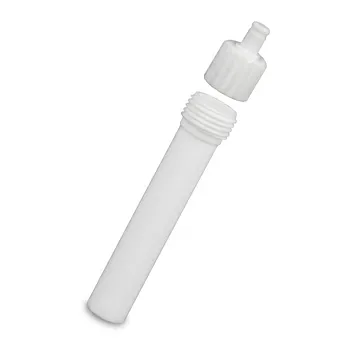
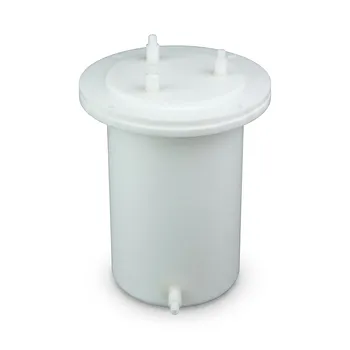
High-purity PTFE or PFA liners serve as the chemically inert core vessel required for the oxidative cleavage of coal precursors. These liners facilitate high-temperature and high-pressure hydrothermal reactions while simultaneously preventing the introduction of metal ion impurities and protecting the external steel jacket from catastrophic corrosion by strong acids or bases.
The central function of PTFE or PFA liners is to create a contamination-free, corrosion-resistant environment that isolates harsh chemical reagents from the metal autoclave. This ensures the structural purity of coal-based carbon quantum dots while maintaining the safety and longevity of the synthesis equipment.
Maintaining Chemical Integrity and Purity
Prevention of Metal Ion Contamination
In the synthesis of carbon quantum dots (CQDs), even trace amounts of metal ions can drastically alter the optical properties and electronic structure of the final product. High-purity liners have extremely low leaching rates, ensuring that no exogenous metals from the autoclave walls enter the reaction mixture.
Chemical Inertness Against Aggressive Reagents
Coal-based CQD synthesis often involves mixing coal powder with strong acids like sulfuric or nitric acid, or strong bases such as sodium hydroxide. PTFE and PFA are uniquely resistant to these aggressive chemicals, remaining stable where other materials would degrade or react.
Consistency in Surface Functionalization
By providing a controlled environment, these liners allow for the precise development of surface functional groups. This chemical stability ensures that the synthesis results are reproducible and that the carbon quantum dots achieve the desired morphology and performance.
Structural Protection of the Reaction Vessel
Guarding the External Steel Jacket
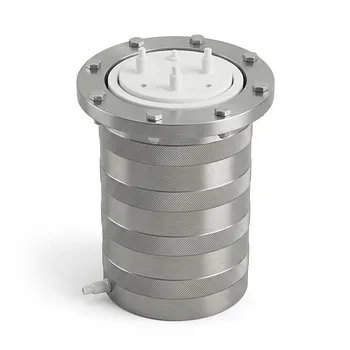
Hydrothermal synthesis occurs inside a stainless steel autoclave, which provides the mechanical strength to withstand high pressure. The PTFE or PFA liner acts as a critical barrier, preventing acids or alkalis from eroding the steel, which would otherwise lead to vessel failure and safety hazards.
Facilitating High-Pressure Environments
The liners are designed to fit snugly within the digestion vessel, allowing the reaction to reach the high pressures necessary for the oxidative cleavage of coal molecular structures. This pressure is essential for breaking down complex coal precursors into nanoscale carbon dots.
Thermal Stability and Sample Isolation
Fluoropolymer liners maintain their structural integrity at the temperatures required for hydrothermal synthesis, typically up to 180°C or 200°C. They serve as a thermal and chemical shield, ensuring the sample only interacts with intended precursors rather than the reaction hardware.
Understanding the Trade-offs
Temperature Limitations
While PTFE and PFA are highly stable, they have a maximum operating temperature (typically around 220°C for PTFE). Exceeding these limits can lead to liner deformation or "creeping," which may compromise the seal and damage the outer autoclave.
Potential for Memory Effects
Because fluoropolymers are slightly porous at a microscopic level, they can sometimes retain trace amounts of reagents from previous reactions. Rigorous cleaning protocols are necessary to prevent "memory effects" that could contaminate subsequent batches of carbon quantum dots.
Pressure Sensitivity
If the heating rate is too rapid or the vessel is overfilled, the internal pressure can exceed the liner's structural capacity. This may cause the liner to collapse or leak, exposing the metal jacket to corrosive media and potentially ruining the synthesis.
How to Apply This to Your Project
Making the Right Choice for Your Goal
- If your primary focus is maximum chemical purity: Prioritize high-purity PFA liners, as they often exhibit even lower leaching rates and smoother surfaces than standard PTFE.
- If your primary focus is cost-effective bulk synthesis: Utilize high-quality PTFE liners, which offer the necessary corrosion resistance for coal-based precursors at a more accessible price point.
- If your primary focus is high-temperature reactions (above 200°C): Carefully monitor the structural integrity of the liner and consider specialized high-pressure designs to prevent deformation.
The strategic use of high-purity liners is the foundational requirement for transforming raw coal into high-performance, uncontaminated carbon quantum dots.
Summary Table:
| Key Function | Benefit for Synthesis | Material Property |
|---|---|---|
| Contamination Control | Prevents metal ion leaching into CQDs | High-purity, low leaching rates |
| Corrosion Shielding | Protects steel autoclave from strong acids/bases | Exceptional chemical inertness |
| Structural Integrity | Enables high-pressure oxidative cleavage | Thermal stability up to 220°C |
| Surface Quality | Ensures reproducible functionalization | Smooth, non-reactive surface |
Achieve Uncompromising Purity in Your Lab with KINTEK
At KINTEK, we specialize in the absolute focus on high-performance fluoropolymer materials to ensure your research remains uncontaminated and your equipment stays protected. Whether you are performing complex oxidative cleavage or routine sample prep, our precision-engineered PTFE and PFA solutions are designed to meet the most rigorous laboratory standards.
Our extensive range includes:
- Advanced Reaction Apparatus: Hydrothermal synthesis liners, microwave digestion vessels, and custom electrochemical cells.
- Trace Analysis & Labware: High-purity beakers, crucibles, reagent bottles, and digestion tubes.
- Fluid Transfer & Filtration: Tubing, valves, fittings, and specialized filtration tools like separatory funnels.
- Bespoke Engineering: End-to-end custom CNC fabrication for non-standard machined parts and unique laboratory setups.
From high-volume orders of general consumables to bespoke reaction vessels, KINTEK delivers the durability and purity your projects demand.
Ready to upgrade your synthesis environment? Contact KINTEK today to discuss your custom requirements!
References
- Linjing Hao, Baolin Xing. Coal-based carbon/graphene quantum dots: formation mechanisms and applications. DOI: 10.1515/revic-2024-0071
This article is also based on technical information from Kintek Knowledge Base .
Related Products
- PTFE Lined High Pressure Digestion Vessel 50ml High Temperature Hydrothermal Synthesis Tank
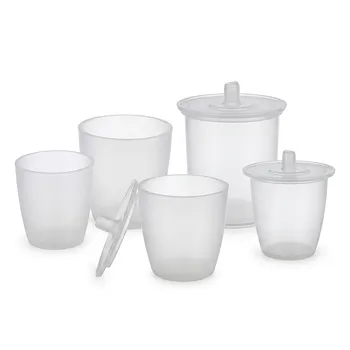
- High Purity PFA Crucible and Corrosion Resistant PTFE Beaker for Trace Analysis and Custom Laboratory Applications
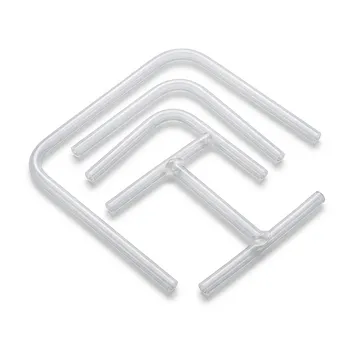
- High Purity PFA Coiled Tubing Custom PTFE Machining PFA Welding and Precision Bending Solutions
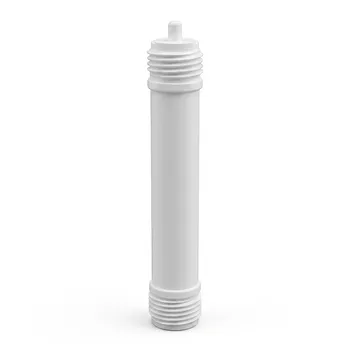
- High Purity PTFE Microwave Digestion Vessel for Soil and Food Analysis Acid Resistant Fluoropolymer Sample Preparation Liners
- Corrosion Resistant PTFE Support with PFA Transparent Reaction Tank and High Purity PFA Sampling Tube for Trace Analysis
People Also Ask
- What are the benefits of using a PTFE-lined vessel for carbon-sulfur cathode treatment? Maximize Purity & Performance
- Why are PTFE-lined pressure digestion vessels required for the preparation of Ag/CeO2 catalysts? Purity & Performance
- What safety features are typically incorporated into high-pressure PTFE digestion vessel designs? Ensure Lab Safety
- What is the function of PTFE lined high-pressure vessels in g-C3N4 synthesis? Achieve High-Purity Material Growth
- Role of High-Pressure Digestion Tanks in Perovskite Synthesis: Achieve Superior Stability and Latent Heat