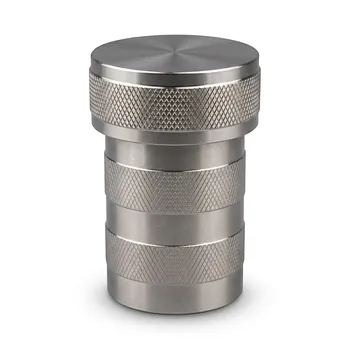
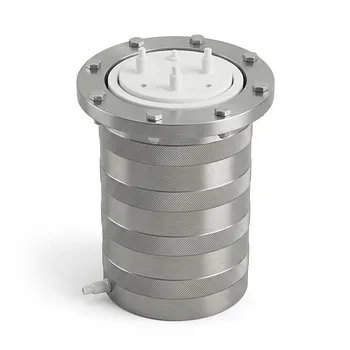
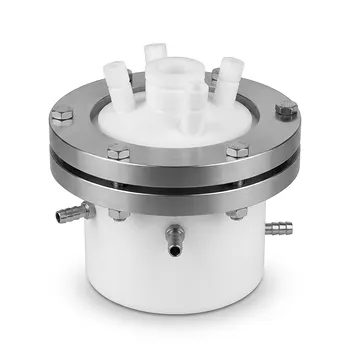
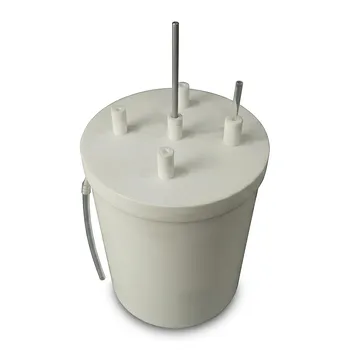
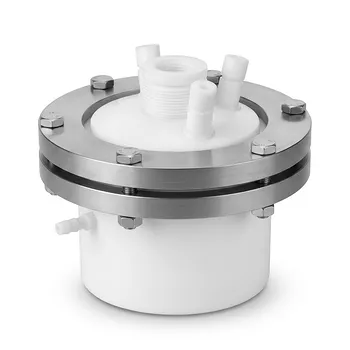
The high-pressure hydrothermal synthesis reactor acts as a pressurized incubator that forces metal ions to interact deeply with the manganese ore surface. By maintaining a sealed environment at temperatures typically around 160°C, it facilitates the nucleation and directional growth of specific crystalline phases, such as MnCo2O4. This method produces composite materials with optimized pore structures and high oxygen vacancy concentrations, which are essential for high-efficiency ozone decomposition.
Core Takeaway: The reactor provides the extreme physical conditions necessary to drive chemical reactions that are impossible at atmospheric pressure, while the internal liner protects the vessel from corrosion and ensures the high purity of the synthesized composite.
Creating the Ideal Synthesis Environment
Driving Deep Ion Interaction
Hydrothermal synthesis enables a much deeper interaction between the manganese ore surface and cobalt or copper ions than conventional atmospheric co-precipitation. The high pressure within the reactor increases the solvating power of the water, allowing precursor chemicals to dissolve and react more effectively.
Guiding Directional Crystal Growth
The controlled temperature and pressure guide the directional growth of nanocrystals into specific phases and morphologies. This environment is critical for synthesizing complex structures, such as cubic phases or flower-like morphologies, which maximize the surface area of the final catalyst.
Optimizing Catalytic Properties
Materials produced in these reactors exhibit superior catalytic performance due to their unique structural defects. Specifically, the process increases the concentration of oxygen vacancies, which significantly improves the material's ability to decompose ozone and other pollutants.
The Critical Role of the Reactor Liner
Preventing Vessel Corrosion
The liner, typically made of Polytetrafluoroethylene (PTFE) or Polyphenylene Polymer (PPL), acts as a physical barrier between the corrosive reaction media and the stainless steel vessel. At high temperatures, hydrothermal fluids become highly reactive and can cause oxidation or stress-corrosion cracking in the metal shell without this protection.
Ensuring Chemical Purity
By providing an inert interface, the liner prevents the leaching of metal ions from the reactor walls into the reaction mixture. This is essential for maintaining the precise ratios of manganese, cobalt, and copper required for the composite material's performance.
Sealing and Mineralization
The liner helps maintain a perfect seal under high pressure, allowing for the full mineralization of sources like cobalt and thiourea. This ensures that the precursors undergo complete transformation into the desired crystalline structures over long reaction durations, such as 12 hours or more.
Understanding the Trade-offs and Limits
Temperature Constraints of Materials
While the reactor allows for high-temperature synthesis, the liner material sets a hard ceiling on the process. PTFE liners are generally limited to 200°C, and exceeding these limits can lead to liner deformation or the release of toxic vapors.
Pressure Safety Hazards
Because these reactors operate as sealed "digestion bombs," the internal pressure increases exponentially with temperature. Inaccurate calculations of the solution filling ratio can lead to over-pressurization and potential vessel failure.
Cleaning and Cross-Contamination
While the liner is inert, it can become porous over time or retain trace residues from previous syntheses. Frequent replacement or specialized cleaning protocols are necessary to ensure that consecutive batches of manganese or cobalt composites remain uncontaminated.
Applying This to Your Material Synthesis
The choice of reactor configuration should depend on the specific structural requirements of your manganese, cobalt, or copper composite.
- If your primary focus is maximizing catalytic activity: Prioritize a reactor that can maintain stable temperatures at or above 160°C to ensure the highest possible concentration of oxygen vacancies.
- If your primary focus is structural purity: Utilize a high-quality PTFE or PPL liner and ensure the filling ratio is strictly controlled to prevent metal ion contamination from the vessel walls.
- If your primary focus is morphology control (e.g., flower-like structures): Use the reactor to exploit subcritical water properties, which allow for the slow, guided nucleation of specific crystalline phases.
By leveraging the unique high-pressure environment of the hydrothermal reactor, you can engineer composite materials with a level of precision and performance that is unattainable through traditional benchtop chemistry.
Summary Table:
| Feature | Mechanism | Synthesis Benefit |
|---|---|---|
| Pressurized Environment | High solvating power at 160°C+ | Enables deep ion interaction and nucleation |
| Inert Liner (PTFE/PPL) | Physical corrosion barrier | Prevents metal leaching and ensures high purity |
| Directional Growth | Subcritical water properties | Creates complex structures like flower-like morphologies |
| Defect Engineering | Controlled mineralization | Increases oxygen vacancies for better catalytic activity |
Elevate Your Material Synthesis with KINTEK Precision
At KINTEK, we understand that high-performance catalytic composites require uncompromising purity and durability. We manufacture virtually all imaginable laboratory supplies crafted from high-performance PTFE and PFA, ensuring your hydrothermal reactions are protected from contamination and corrosion.
From everyday essentials like beakers, centrifuge tubes, and reagent bottles to specialized hydrothermal synthesis liners, microwave digestion vessels, and custom electrochemical cells, our products are designed for the most demanding research environments. Backed by end-to-end custom CNC fabrication, we deliver everything from standard labware to complex, non-standard machined parts tailored to your specific manganese, cobalt, or copper synthesis needs.
Ready to optimize your catalytic results? Contact KINTEK today to discuss your custom laboratory requirements!
References
- Katerina Zaharieva, P. Todorova. Preparation and Catalytic Ability of Novel Manganese Carbonate Ore/Copper and Cobalt Oxide-based Composites for Ozone Decomposition and Discolouration of Malachite Green Dye. DOI: 10.7546/crabs.2025.12.03
This article is also based on technical information from Kintek Knowledge Base .
Related Products
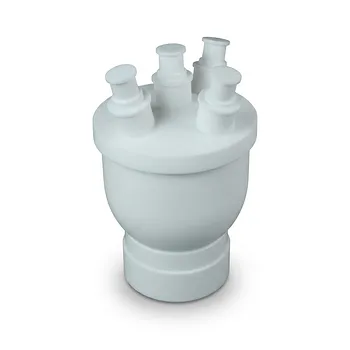
- High Temperature Corrosion Resistant Hydrothermal Synthesis Reactor with TFM Inner Liner and Straight Cylinder Design
- PTFE Lined High Pressure Digestion Vessel 50ml High Temperature Hydrothermal Synthesis Tank
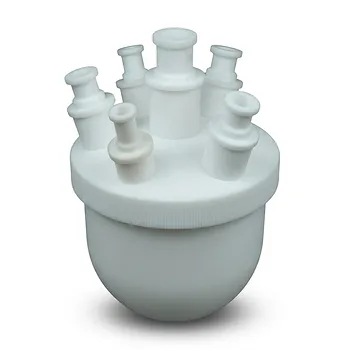
- High Pressure Custom TFM Reactor Stainless Steel Outer Vessel PTFE Inner Cup for Corrosive Synthesis
- Custom TFM Reaction Vessel with Stainless Steel Jacket and PTFE Inner Cup for High Corrosion Resistance
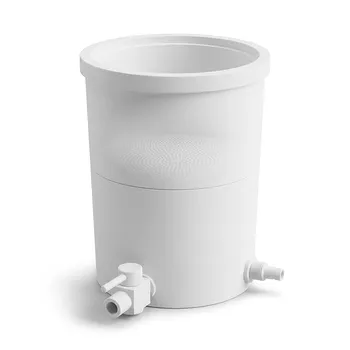
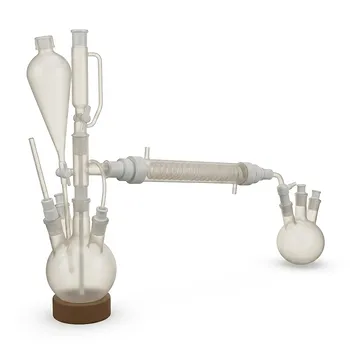
- Custom PTFE Reaction System with Hose Barb Fittings Corrosion Resistant High Sealing 2L 4L Lab Reactor with Separatory Funnel
People Also Ask
- What is the role of a corrosion-resistant reactor in the synthesis of lignin-based carbon dots? Ensure Maximum Purity
- What are the technical advantages of using hydrothermal synthesis reactors for advanced electronic & optical nanomaterials?
- How does a hydrothermal synthesis reactor facilitate the production of crystalline materials with tailored morphologies? Precision Crystal Growth
- Why is the sealing reliability of a hydrothermal synthesis reactor critical for 24-hour cycles? Ensure Nano-Precision
- What role do hydrothermal synthesis reactors play in CQD preparation? Achieve High-Purity Nanomaterial Synthesis