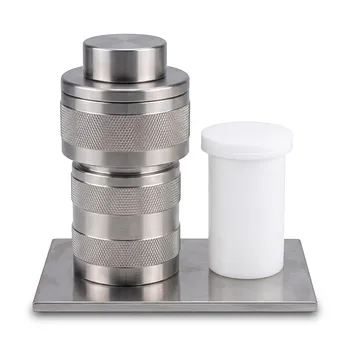
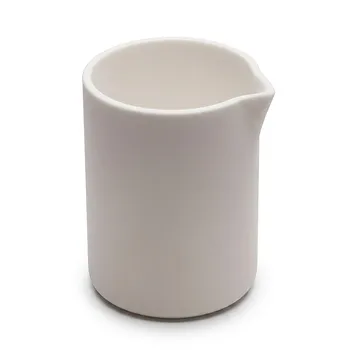
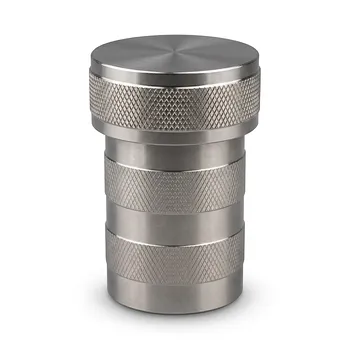
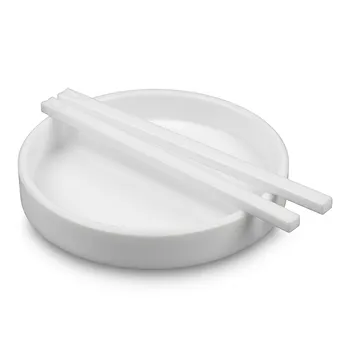
The fluoropolymer-lined stainless steel autoclave serves as the primary reaction chamber, providing the high-pressure and high-temperature environment required for hydrothermal crystallization. It acts as a dual-purpose vessel where the outer steel shell manages mechanical stress while the inner liner prevents the highly alkaline synthesis gel from corroding the equipment or contaminating the zeolite membrane.
Core Takeaway: The autoclave provides a stabilized, high-pressure thermal field that is essential for the self-assembled growth of NaA zeolites. The fluoropolymer liner ensures chemical purity and protects the structural integrity of the vessel from corrosive synthesis precursors.
The Mechanical Role of the Stainless Steel Shell
Withstanding Autogenous Pressure
Hydrothermal synthesis of NaA zeolites occurs at elevated temperatures, often exceeding the boiling point of the solvent. As the synthesis solution is heated within the sealed vessel, it generates autogenous pressure.
The stainless steel outer shell provides the mechanical strength necessary to contain this pressure safely. Without this rigid exterior, the vessel could not maintain the closed environment required for the synergistic interaction between the synthesis components.
Providing a Stable Thermal Field
The mass and conductivity of the stainless steel shell help create a constant-temperature thermal field. This stability is critical for the uniform nucleation and growth of the zeolite framework.
A consistent thermal environment prevents localized temperature fluctuations. This ensures that the resulting NaA zeolite membrane is dense and defect-free.
The Chemical Role of the Fluoropolymer Liner
Resistance to Alkaline Erosion
NaA zeolite synthesis typically involves strong alkaline solutions, such as sodium hydroxide (NaOH). These precursors are highly corrosive and would rapidly erode a bare metal surface.
Fluoropolymers like PTFE (Polytetrafluoroethylene) or PFA are chosen for their exceptional chemical inertness. This liner acts as a sacrificial but durable barrier that protects the metal shell from chemical attack.
Prevention of Metallic Contamination
If the synthesis gel were to contact the stainless steel directly, metal ions could leach into the solution. These impurities can integrate into the zeolite framework, disrupting the crystal structure and reducing performance.
The liner ensures a high-purity environment, which is vital for maintaining the integrity of the zeolite framework. This leads to high-crystallinity products and prevents the introduction of unwanted metallic catalysts or inhibitors.
Anti-Adhesive Properties
Fluoropolymers possess anti-adhesive properties that prevent the zeolite crystals from permanently bonding to the vessel walls. This simplifies the recovery of the membrane and the cleaning of the reaction vessel.
By preventing reactants from "caking" onto the walls, the liner ensures that the maximum amount of precursor is available for in-situ growth on the intended substrate.
Understanding the Trade-offs
Temperature Limitations
While fluoropolymer liners are chemically robust, they have distinct thermal limits. PTFE, for instance, begins to soften or deform if temperatures exceed its rated capacity (typically around 250°C), which can lead to seal failure.
Differential Thermal Expansion
Stainless steel and fluoropolymers expand at different rates when heated. If the heating or cooling process is too rapid, the liner can warp or crack, potentially allowing the corrosive gel to reach the steel shell.
Integrity of the Seal
The effectiveness of the autoclave depends entirely on the airtight nature of the seal between the liner and the lid. Any leakage results in a loss of pressure, which halts the hydrothermal growth process and can lead to incomplete crystallization.
How to Apply This to Your Project
Recommendations for Equipment Selection
- If your primary focus is Maximum Purity: Ensure you use high-grade PTFE liners and perform a "dummy" run with acid to leach any surface impurities before your first actual synthesis.
- If your primary focus is High-Pressure Safety: Regularly inspect the stainless steel shell for signs of stress corrosion cracking (SCC), especially if the autoclave is used in environments where the exterior may be exposed to chlorides.
- If your primary focus is Membrane Uniformity: Use a forced-air oven rather than a heating mantle to ensure the autoclave is heated evenly from all sides, maintaining the stable thermal field described above.
The strategic combination of a pressure-resistant steel exterior and a chemically inert fluoropolymer interior is what makes the successful hydrothermal synthesis of NaA zeolite membranes possible.
Summary Table:
| Component | Primary Function | Key Benefit for NaA Zeolites |
|---|---|---|
| Stainless Steel Shell | Manages autogenous pressure | Ensures safe, high-pressure crystallization |
| Fluoropolymer Liner | Chemical inertness | Prevents alkaline corrosion and metal leaching |
| Thermal Stability | Constant thermal field | Promotes uniform nucleation for defect-free growth |
| Surface Properties | Anti-adhesive nature | Facilitates easy membrane recovery and cleaning |
Elevate Your Synthesis Precision with KINTEK’s Fluoropolymer Solutions
High-performance research demands high-performance materials. KINTEK specializes in the engineering and manufacturing of premium laboratory supplies crafted exclusively from PTFE and PFA.
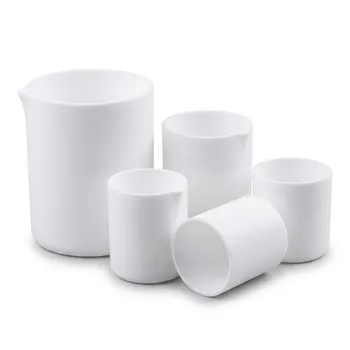
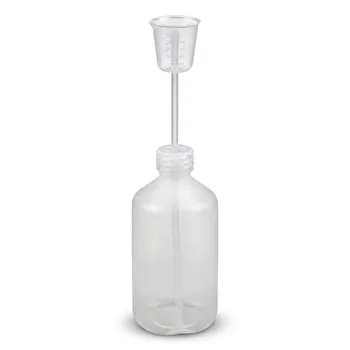
From high-purity hydrothermal synthesis liners and microwave digestion vessels to everyday essentials like beakers, reagent bottles, and digestion tubes, our products ensure your chemical environments remain uncontaminated. Backed by end-to-end custom CNC fabrication, we deliver everything from standard fluid transfer components (tubing, fittings, valves) to complex, non-standard machined parts and bespoke reaction apparatus like electrochemical cells and battery testing fixtures.
Whether you are scaling up NaA zeolite production or conducting sensitive trace analysis, KINTEK provides the absolute purity and durability your lab requires.
Ready to optimize your experimental setup?
Contact KINTEK Today for Custom Engineering Support
References
- Inam Ullah, Zhandong Wang. A membrane Sabatier system for water recovery and rocket propellant production. DOI: 10.1038/s41467-025-63667-w
This article is also based on technical information from Kintek Knowledge Base .
Related Products
- Custom TFM Reaction Vessel with Stainless Steel Jacket and PTFE Inner Cup for High Corrosion Resistance
- PTFE Lined High Pressure Digestion Vessel 50ml High Temperature Hydrothermal Synthesis Tank
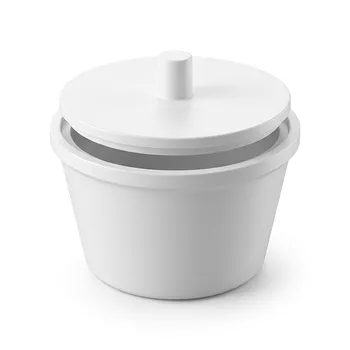
- High Purity PTFE PFA Plastic Crucible for Corrosion Resistant Acid Digestion and Trace Analysis
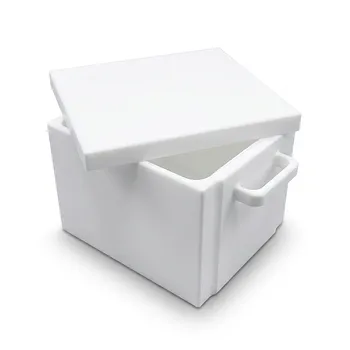
- High Purity Virgin PTFE Square Tank Corrosion Resistant Acid Soaking Bath Custom Fluoropolymer Cleaning Vessel
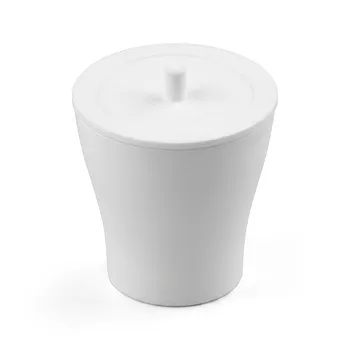
- High Purity 30ml PTFE Corrosion Resistant Fluoropolymer Crucible with Graphite Heating Block Compatibility
People Also Ask
- Why is a Polytetrafluoroethylene (PTFE) lined reaction vessel an ideal choice for preparing PtNPs/FeSAC tandem catalysts?
- Why are high-performance pressure-resistant reaction vessels required for oxygen-assisted hydrothermal conversion at 150 °C?
- Why are PTFE-lined reaction vessels necessary for forced degradation studies? Ensure high-purity results and accuracy.
- Why are high-quality fluoropolymer-lined reaction vessels required for alk-Ti3C2Tx MXene? Ensure Purity & HF Resistance
- How do magnetic stirring and reaction vessels impact MOF-derived carbon quality? Optimize Your Composite Performance