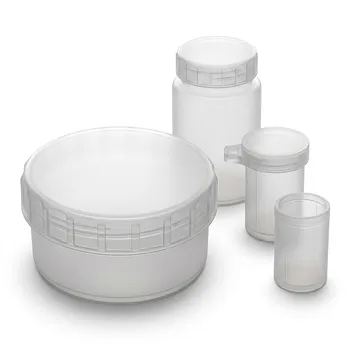
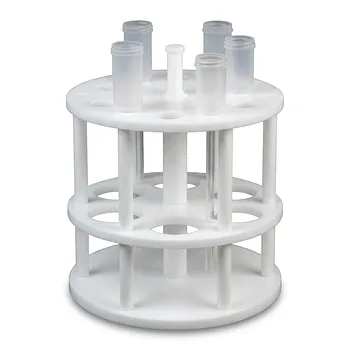
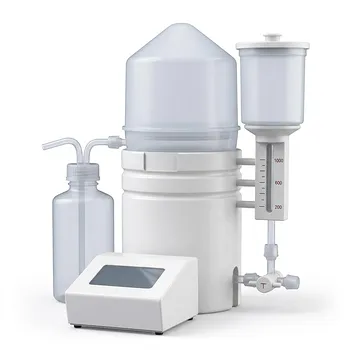
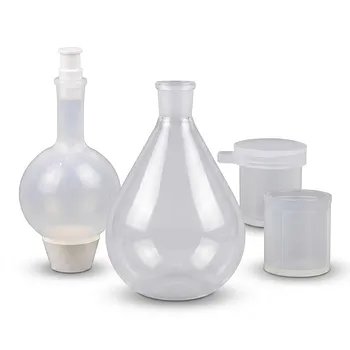
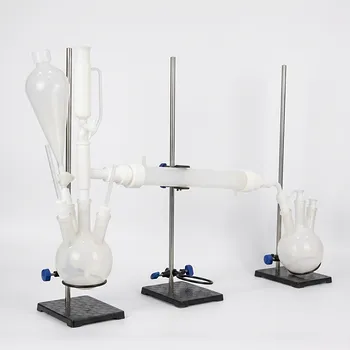
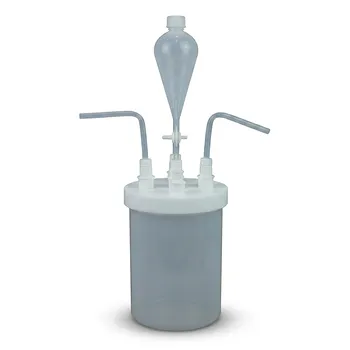
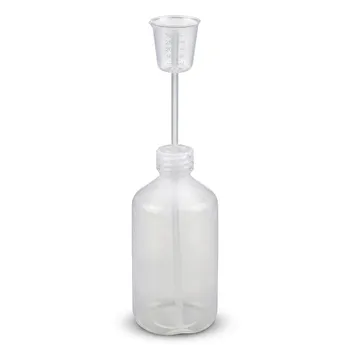
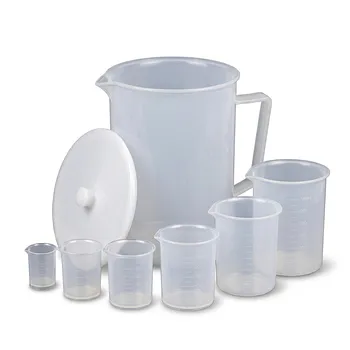
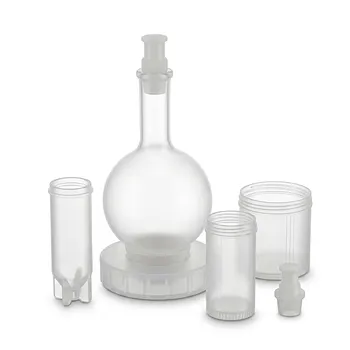
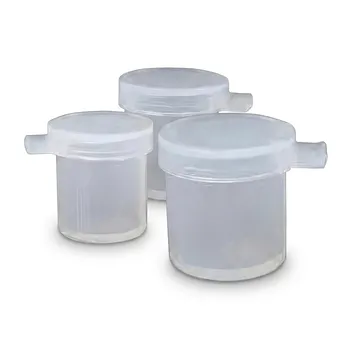
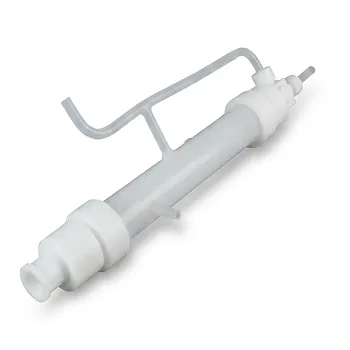
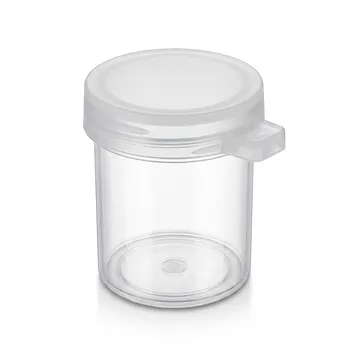
Perfluoroalkoxy alkane (PFA) laboratory products are engineered to operate across an extraordinary temperature spectrum, ranging from -200°C (-328°F) to a continuous service maximum of +260°C (+500°F). This massive 460-degree window allows a single vessel to transition from liquid nitrogen storage to high-temperature acid digestion without compromising its structural integrity or chemical inertness.
Core Takeaway: PFA labware provides the widest thermal utility of any melt-processable fluoropolymer, maintaining mechanical stability from cryogenic states to high-heat sterilization. This versatility is underpinned by a rigid fluorocarbon backbone that resists softening until it nears its melting point of approximately 305°C.
Performance at Thermal Extremes
Exceptional Cryogenic Stability
At the lower end of the spectrum, PFA remains impact-resistant and flexible at temperatures as low as -200°C. Unlike many plastics that become brittle and shatter under thermal shock, PFA maintains its mechanical integrity in liquid nitrogen environments.
Sustained High-Temperature Service
For high-heat applications, PFA supports continuous service at +260°C. This makes it the industry standard for hot-block digestions and microwave-assisted processes where corrosive reagents must be heated under pressure.
Resistance to Thermal Cycling
The material's high crystalline melting point—approximately 305°C to 315°C—allows it to survive repeated sterilization cycles. It can undergo steam autoclaving or dry heat sterilization without the risk of cracking or losing its dimensional shape.
Engineering Stability and Material Integrity
The Fluorocarbon Backbone
The thermal resilience of PFA stems from its fully fluorinated carbon backbone. This molecular structure eliminates reactive sites, ensuring that the material does not leach contaminants even when exposed to boiling concentrated acids.
Short-Term Thermal Excursions
While the continuous limit is 260°C, PFA can handle short-term excursions up to 300°C. These brief periods of intense heat are possible because the material does not instantly liquefy, though prolonged exposure at this level is not recommended.
Dimensional Stability in Analytical Chemistry
Because PFA is melt-processable, it can be molded into precise geometries with smooth surface finishes. This smoothness is maintained across the entire temperature range, which is critical for ultra-trace element analysis (ICP-MS) where sample retention must be minimized.
Understanding the Trade-offs
Risk of Chain Scission
If PFA is exposed to temperatures exceeding 300°C for prolonged periods, it may undergo slow chain scission. This chemical breakdown can release trace fluorocarbons into the sample, potentially compromising sensitive analytical results.
Increased Gas Permeability
As temperatures rise toward the upper limit, the permeability of PFA to certain gases increases. Users must be aware that while the vessel remains solid, small molecules may migrate through the polymer walls more easily at +250°C than at room temperature.
Physical Vulnerability and Abrasion
While thermally robust, PFA is susceptible to mechanical abrasion. Scratches on the surface can increase roughness and create sites for contaminant adsorption, which may be exacerbated when the polymer is slightly softened by high heat.
Applying PFA to Your Laboratory Workflow
Recommendations Based on Application
When integrating PFA labware into your processes, consider the following temperature-based guidelines to maximize the lifespan of your equipment.
- If your primary focus is Cryogenic Storage: Utilize PFA for long-term liquid nitrogen immersion, as it retains flexibility and prevents sample loss due to vessel cracking.
- If your primary focus is Trace Metal Analysis: Limit heating to the recommended 260°C to prevent any risk of polymer degradation or gas permeability that could introduce impurities.
- If your primary focus is Sterilization: Use standard autoclaving protocols confidently, as PFA easily withstands repeated 121°C steam cycles without losing dimensional accuracy.
By respecting these thermal boundaries, you ensure that PFA remains the most reliable and inert link in your analytical chain.
Summary Table:
| Thermal Property | Temperature Range / Value | Practical Application |
|---|---|---|
| Cryogenic Limit | -200°C (-328°F) | Liquid nitrogen storage & thermal shock resistance |
| Continuous Service | Up to +260°C (+500°F) | High-temperature acid digestion & hot-block processes |
| Melting Point | 305°C to 315°C | Maintains dimensional stability during sterilization |
| Short-term Limit | Up to 300°C | Briefly handles heat excursions without liquefying |
| Sterilization | Standard 121°C Autoclave | Repeated steam cycles with zero loss in integrity |
Elevate Your Research with KINTEK’s Fluoropolymer Excellence
From extreme cryogenic environments to high-heat analytical chemistry, your labware must perform without compromise. KINTEK maintains an absolute focus on high-performance fluoropolymer materials, manufacturing virtually all imaginable laboratory supplies crafted from PTFE and PFA.
Whether you require everyday basic labware (beakers, crucibles, reagent bottles, centrifuge tubes), fluid transfer components (tubing, fittings, valves), or advanced reaction apparatus (standard or custom electrochemical cells, microwave digestion vessels, and microchannel reactors), we have you covered. Backed by end-to-end custom CNC fabrication, KINTEK delivers everything from high-volume standard orders to complex, bespoke laboratory setups designed for your specific thermal and chemical needs.
Ready to upgrade your lab's durability? Contact our experts today to discuss your custom requirements and ensure the highest purity for your sensitive applications!
Related Products
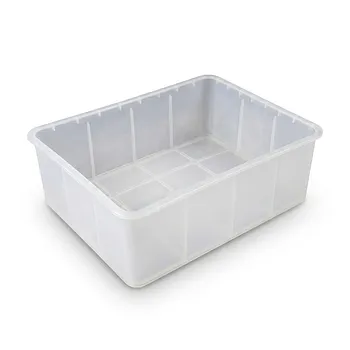
- Laboratory PFA Rectangular Acid Soaking Tank Silicon Wafer Cleaning Bath Corrosion Resistant High Purity Vessel
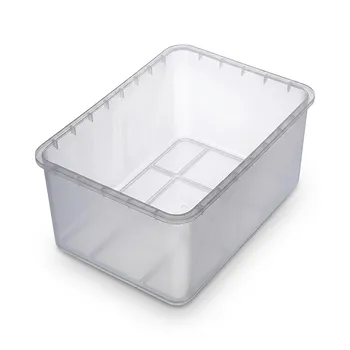
- High Purity PFA Laboratory Rectangular Tank Corrosion Resistant Acid Cleaning Bath for Silicon Wafer Processing and Trace Analysis
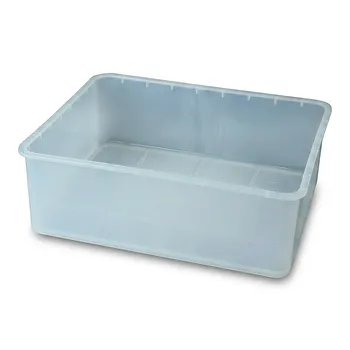
- High Purity PFA Rectangular Laboratory Acid Cleaning Tank Corrosion Resistant Silicon Wafer Washing Bath
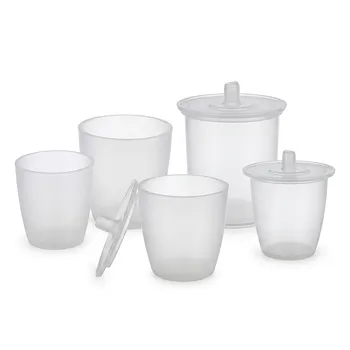
- High Purity PFA Crucible and Corrosion Resistant PTFE Beaker for Trace Analysis and Custom Laboratory Applications
- PFA Reaction Jar Corrosion Resistant Wide Mouth PTFE Lab Bottle High Purity Chemical Vessel
People Also Ask
- What is the operational temperature range for PFA laboratory products? Master Extremes from -200°C to +260°C
- What are the advantages of high-purity PFA labware for NiFe catalyst prep? Ensure Precision and Trace-Level Purity.
- Why is high-purity PFA laboratory labware essential for high-sensitivity trace analysis? Maximize data accuracy.
- Why Use PFA Labware for MnFe2O4/rGO Precursors? Ensure Stoichiometric Precision and Purity
- Why is the chemical stability of polymer endgroups critical when selecting melt-processible fluoropolymers like PFA for high-purity laboratory apparatus? Choose Stable Endgroups for Reliable Performance