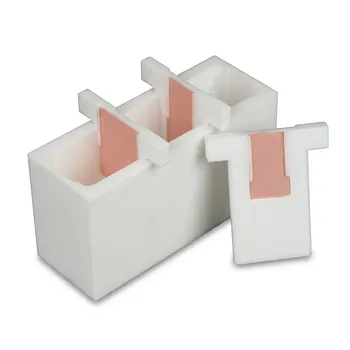
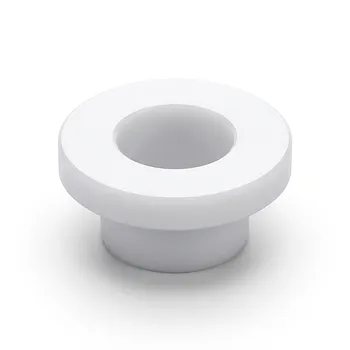
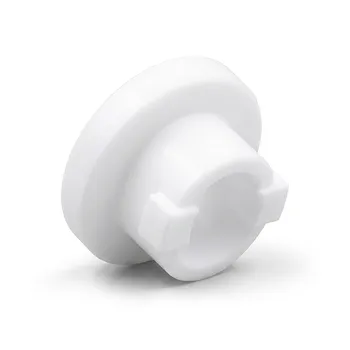
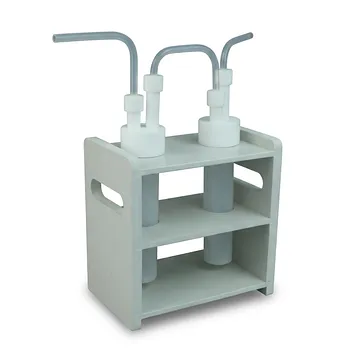
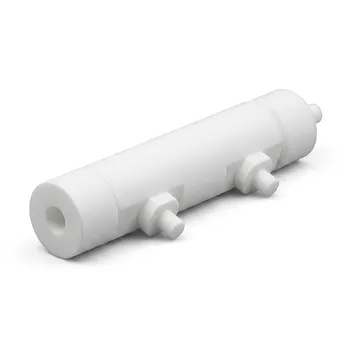
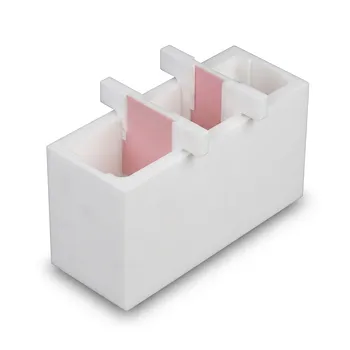
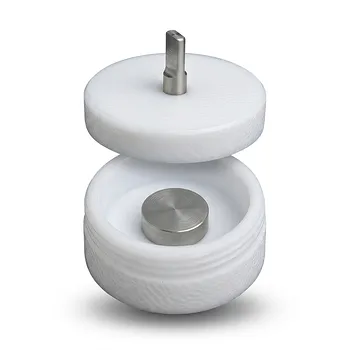
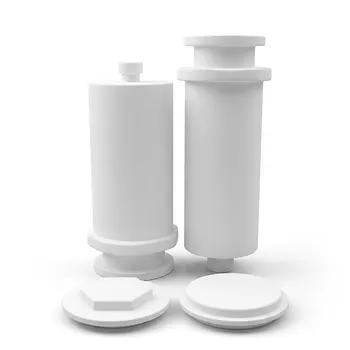
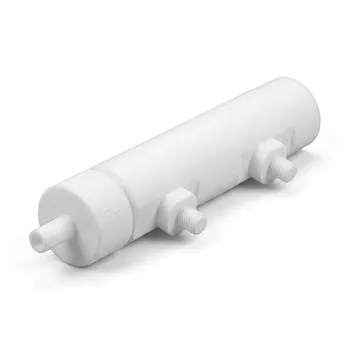
PTFE electrode jackets offer near-universal chemical resistance, making them the industry standard for aggressive laboratory environments. They are virtually inert to strong acids (including hydrofluoric acid), concentrated bases, powerful oxidizers, and almost all organic solvents.
PTFE’s exceptional stability stems from its carbon-fluorine bonds, which are among the strongest in organic chemistry. This inertness ensures that the jacket remains structurally sound while preventing the leaching of contaminants into sensitive analytical samples.
The Scope of PTFE's Chemical Inertness
Resistance to Mineral and Organic Acids
PTFE remains unaffected by a wide array of corrosive media, including hydrofluoric acid, sulfuric acid, and nitric acid. It is one of the few materials capable of withstanding aqua regia and various superacids without degrading.
This resistance extends across the material's entire usable temperature range. Unlike glass, which can be etched by fluorinated compounds, PTFE maintains its integrity in the presence of aggressive halogens.
Stability in Bases and Strong Oxidizers
In alkaline environments, PTFE shows outstanding performance against concentrated alkalis and hydroxides. It also resists powerful oxidizing agents such as sodium peroxide and thick alternating acids.
Because the material does not react with these substances, it prevents the introduction of foreign ions into the test solution. This is critical for maintaining the accuracy of electrochemical measurements.
Compatibility with Organic Solvents
The material is broadly compatible with organic solvents, including ketones, alcohols, and halogenated hydrocarbons. It shows high resistance to common lab chemicals like acetone, chloroform, and citric acid.
While most plastics swell or dissolve when exposed to specific solvents, PTFE’s dense molecular structure prevents penetration. This ensures the electrode's internal components remain shielded from the external environment.
Why Chemical Resistance Matters for Electrodes
Maintaining Stable Reference Potentials
The primary function of an electrode jacket is to provide a stable housing that does not interfere with the electrical signal. If a jacket material reacts with the electrolyte, it can cause potential drifts that ruin experimental data.
PTFE ensures that the chemical environment inside and outside the electrode remains distinct. This isolation is essential for high-precision analytical chemistry and long-term monitoring.
Preventing Ion Leaching and Contamination
In trace analysis, the smallest amount of leached organic or inorganic material can skew results. PTFE is prized because it does not leach ions or contaminants into the solution.
This "clean" profile makes it the preferred material for high-purity applications. It allows researchers to store samples or conduct reactions in aggressive media without fear of background interference.
Understanding the Critical Exceptions
Reactivity with Molten Alkali Metals
The most significant limitation of PTFE is its vulnerability to molten alkali metals, such as liquid sodium or potassium. These substances are powerful enough to strip fluorine atoms from the carbon backbone, causing the material to char and fail.
This reaction can also occur with alkali metals dissolved in liquid ammonia. While these conditions are rare in standard analytical chemistry, they are a critical safety consideration in specialized synthetic labs.
Vulnerability to Fluorinating Agents
PTFE can be compromised by elemental fluorine and certain potent fluorinating agents (like chlorine trifluoride) at elevated temperatures and pressures. These reagents can break the already stable C-F bonds.
Additionally, while PTFE is resistant to most hydrocarbons, some reports suggest vulnerability to specific aromatic categories or fluorine gas under extreme pressure. Always verify the temperature and pressure limits when working with these specific reactive species.
How to Apply This to Your Project
Making the Right Choice for Your Goal
- If your primary focus is working with Hydrofluoric Acid (HF): Use PTFE jackets exclusively, as they will not etch or degrade like glass or other polymer alternatives.
- If your primary focus is trace metal analysis: Choose high-purity virgin PTFE to ensure zero ion leaching and maximum sample integrity.
- If your primary focus is high-temperature alkali reactions: Avoid PTFE and seek alternative materials like specialized ceramics or carbon-based housings that can withstand molten alkali metals.
By understanding the near-universal resistance and specific boundaries of PTFE, you can ensure both the longevity of your equipment and the absolute purity of your analytical results.
Summary Table:
| Chemical Category | Resistance Level | Common Examples | Impact on PTFE |
|---|---|---|---|
| Strong Mineral Acids | Excellent | Hydrofluoric (HF), Aqua Regia, Nitric Acid | No etching or degradation |
| Concentrated Bases | Excellent | Sodium Hydroxide, Strong Alkalis | Zero ion leaching |
| Organic Solvents | Excellent | Acetone, Chloroform, Ketones | No swelling or dissolution |
| Oxidizing Agents | Excellent | Sodium Peroxide, Thick Acids | Chemically inert |
| Molten Alkali Metals | Poor | Liquid Sodium, Liquid Potassium | Material charring/failure |
| Fluorinating Agents | Limited | Elemental Fluorine (at high T/P) | Potential bond breakage |
Elevate Your Analytical Precision with KINTEK Fluoropolymer Expertise
Don't let chemical corrosion compromise your data. At KINTEK, we specialize in high-performance fluoropolymer materials, providing researchers with the ultimate protection against aggressive media.
From everyday basic labware (beakers, measuring cylinders, crucibles, dishes, reagent/wash bottles, centrifuge and digestion tubes) and high-purity trace analysis instruments to comprehensive fluid transfer components (tubing, fittings, valves), and sample prep tools (filters, pipettes, tweezers), we manufacture it all. For advanced research, we offer custom-engineered electrochemical cells, battery testing fixtures, and microwave digestion vessels crafted from premium PTFE and PFA.
Backed by end-to-end custom CNC fabrication, KINTEK is equipped to deliver everything from complex non-standard machined parts to high-volume orders with absolute focus on quality.
Ready to upgrade your lab setup? Contact our engineering team today to discuss your specific requirements and receive a tailored solution.
Related Products
- Custom PTFE Thermal Insulation Sleeves Laboratory Vessel Condensation Jackets Virgin Fluoropolymer Machined Components
- Custom PTFE Reaction Apparatus Flange Sealed Corrosion Resistant Jacketed Vessel with Stirring Bar and Thermometer Ports
- PTFE Continuous Reaction System Jacketed Constant Pressure Dropping Funnel Corrosion Resistant HF Resistant Customizable
- Custom PTFE Insulating Gaskets and Corrosion Resistant Fluoropolymer Seals for Industrial Electrical Applications
- Custom PTFE Absorption Bottle with Condensation Jacket Corrosion Resistant Low Background High Purity
People Also Ask
- What is the temperature range for different types of PTFE polymer seal jackets? Find the Right Material for Extreme Temperatures
- Why is PTFE used in electrical applications? Unmatched Insulation for High-Performance Components
- How do PTFE electrode jackets benefit cyclic voltammetry and trace-metal analysis? Achieve High-Purity Precision
- What mechanical and fabrication advantages do PTFE electrode jackets provide? Strength & Precision for Lab Applications
- What are the technical limitations and safety considerations for PTFE electrode jackets? Master Thermal & Mechanical Limits