The key advantage of PTFE and PFA is their fluorinated molecular structure. Strong carbon–fluorine bonds create a chemically inert backbone that resists attack from aggressive acids, solvents, and reagents. Combined with very low surface energy and high thermal stability, this makes fluoropolymers well suited to high-purity labware, tubing, valves, fittings, and other components where contamination and material degradation must be minimized.
PTFE and PFA protect both the sample and the equipment. Their carbon–fluorine chemistry limits chemical reaction, leaching, and degradation, while their non-wetting surfaces reduce liquid retention and cross-contamination across demanding temperature ranges.
Why Fluoropolymer Chemistry Matters in High-Purity Applications
Strong carbon–fluorine bonds resist chemical attack
Fluoropolymers contain carbon chains heavily shielded by fluorine atoms. The resulting carbon–fluorine bonds are exceptionally strong and difficult for most laboratory chemicals to break.
This gives PTFE and PFA broad resistance to aggressive acids, bases, oxidizing agents, and organic solvents. The materials are therefore less likely to swell, corrode, embrittle, or release degradation products into a sample.
The polymer backbone is chemically nonreactive
The fluorinated structure provides a high degree of chemical inertness. Unlike many conventional plastics or metals, PTFE and PFA generally do not participate readily in the reactions occurring inside a vessel or fluid-transfer line.
That stability is particularly important in trace analysis, digestion, chemical synthesis, and reagent storage. The container or tubing is less likely to alter the chemistry being measured or processed.
Low extractables support sample purity
High-purity systems must control not only visible contamination but also trace-level release of material from wetted surfaces. PTFE and PFA have low reactivity and low volatility, which helps reduce the risk of leaching and extractables under appropriate operating conditions.
This does not mean every fluoropolymer component is automatically contamination-free. Cleanliness, manufacturing quality, additives, seals, processing history, and handling procedures remain important.
How Surface Chemistry Improves Fluid Handling
Very low surface energy creates non-wetting behavior
Fluoropolymer surfaces have low surface energy, so many water-based and organic liquids do not spread across or adhere strongly to them. This produces hydrophobic and lipophobic behavior.
In labware, the result is less liquid retention on vessel walls. In tubing and fittings, it can reduce the amount of residual material left behind after draining or flushing.
Non-stick surfaces reduce sample loss
Low adhesion helps prevent samples, reagents, and reaction products from sticking to container surfaces. This is valuable when working with small volumes or expensive materials.
Reduced adhesion also supports more complete transfer during pouring, decanting, rinsing, and fluid movement. Less residual material means less opportunity for carryover between procedures.
Lower retention helps limit cross-contamination
A surface that holds less liquid is easier to flush and clean between uses. This can reduce memory effects, in which remnants of a previous chemical influence a later sample.
The benefit is especially important in trace analysis, where contamination at very low concentrations can compromise the result even when the residue is not visible.
Low friction supports fluid transfer
PTFE in particular has a very low coefficient of friction and a self-lubricating surface. This can help liquids move smoothly through tubing and can reduce resistance at sliding or contacting interfaces.
Low friction is a supporting benefit rather than the primary reason for chemical purity. Component geometry, pressure, flow rate, and surface condition still determine overall fluid-transfer performance.
Why PTFE and PFA Tolerate Difficult Temperatures
Thermal stability preserves chemical performance
The same stable fluorinated structure that resists chemical attack also supports operation across a broad temperature range. PTFE and PFA can maintain useful performance in both low-temperature and elevated-temperature laboratory environments.
This is important for heated digestion, thermal processing, aggressive reagent handling, and repeated temperature changes. The material is less likely than ordinary plastics to soften, degrade, or become chemically unstable during service.
Thermal resistance protects dimensional integrity
High-purity components must remain sufficiently stable to preserve seals, flow paths, vessel geometry, and connection integrity. Thermal stability helps PTFE and PFA maintain their functional structure under demanding conditions.
Actual temperature limits depend on the specific grade, pressure, mechanical load, exposure time, and design. Chemical compatibility should therefore be evaluated together with the operating temperature rather than treated as an isolated property.
What Makes PTFE and PFA Suitable for Labware and Components
Chemical resistance protects wetted surfaces
In vessels, crucibles, digestion containers, and reagent bottles, chemical resistance prevents the material from being rapidly attacked by the contents. In tubing, valves, and fittings, it protects the fluid-contact path from corrosion and degradation.
This creates a stable interface between the chemical and the equipment. The material is less likely to become a source of particles, dissolved contaminants, or reaction by-products.
Surface purity supports trace analysis
Trace-analysis equipment must avoid introducing background contaminants into the sample. Fluoropolymer inertness, low extractables, and non-stick behavior collectively help maintain a cleaner analytical environment.
The material choice is only one part of the control strategy. Cleaning validation, component selection, assembly practices, and storage conditions are equally important.
Biological stability broadens application options
Fluoropolymers are generally resistant to biological degradation and do not readily provide a reactive surface for many biological contaminants. This can be useful in laboratory fluid systems where long-term chemical and biological stability are required.
The appropriate grade and cleaning protocol still depend on the application, especially when regulated or sterile processing is involved.
Understanding the Trade-offs
Chemical inertness does not eliminate all limitations
PTFE and PFA resist many chemicals, but no material is universally compatible under every combination of concentration, temperature, pressure, and exposure time. Fluorine-containing or highly reactive systems require specific compatibility review.
Permeation can also matter. A material may resist visible corrosion while still allowing certain small molecules to diffuse through it over time.
Mechanical performance must be considered separately
Fluoropolymers are chemically strong but can have lower stiffness and wear resistance than some engineering plastics or metals. PTFE can also exhibit creep under sustained load, particularly at elevated temperature.
For fittings, valves, and pressure-bearing tubing, design stress, wall thickness, reinforcement, sealing method, and temperature must be evaluated alongside chemical resistance.
Processing and cleanliness affect final purity
PFA and PTFE components can be manufactured with different grades, fillers, pigments, processing aids, or surface conditions. These details may affect extractables, particle generation, and compatibility.
For critical applications, specify the required purity level and qualification data rather than selecting material solely by its generic polymer name.
Non-stick behavior can affect bonding
The same low surface energy that prevents contamination also makes fluoropolymers difficult to paint, bond, or permanently join using conventional methods. Specialized surface treatment, mechanical retention, or compatible sealing designs may be necessary.
This is primarily a fabrication and system-integration issue, but it can influence the reliability of finished laboratory assemblies.
Making the Right Choice for Your Goal
Select the material and component design based on the full chemical, thermal, cleanliness, and mechanical requirements of the application.
- If your primary focus is trace analytical purity: Prioritize low extractables, low surface retention, validated cleaning, and a fluoropolymer grade suitable for the specific reagents and sample concentrations.
- If your primary focus is aggressive chemical handling: Use PTFE or PFA after verifying compatibility at the actual temperature, concentration, pressure, and exposure duration.
- If your primary focus is fluid transfer: Use the fluoropolymer’s low surface energy and low friction to reduce retention, carryover, and flow resistance, while separately checking pressure and creep limits.
- If your primary focus is elevated-temperature processing: Confirm the component’s real operating limits and mechanical loading, not just the polymer’s general thermal resistance.
PTFE and PFA are ideal for high-purity laboratory systems because their molecular structure combines chemical inertness, low surface adhesion, and thermal stability in one material platform.
Summary Table:
| Characteristic | Why It Matters | Typical Benefit |
|---|---|---|
| Strong carbon–fluorine bonds | Resists attack from aggressive acids, solvents, and bases | Prevents corrosion and degradation |
| Chemically nonreactive backbone | Does not readily react with samples or reagents | Maintains sample integrity |
| Low extractables & leaching | Reduces trace contamination | Supports high-purity analysis |
| Low surface energy (non-wetting) | Liquids don't spread or adhere | Minimizes liquid retention and sample loss |
| Low friction | Self-lubricating surface | Facilitates smooth fluid transfer |
| Thermal stability | Resists softening/degradation across wide temperature range | Enables heated digestion and thermal cycling |
| Biological stability | Resists biological degradation | Broadens application options |
Ready to Elevate Your Lab's Purity and Performance?
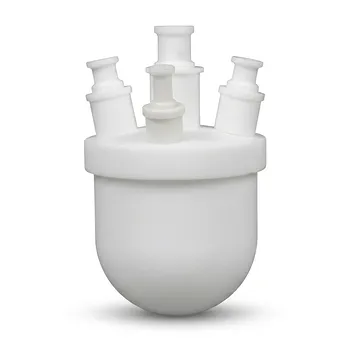
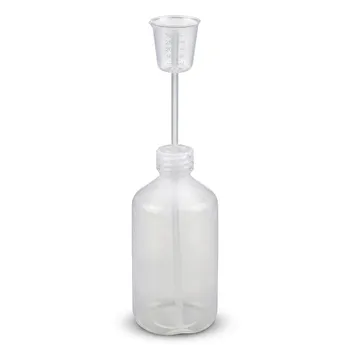
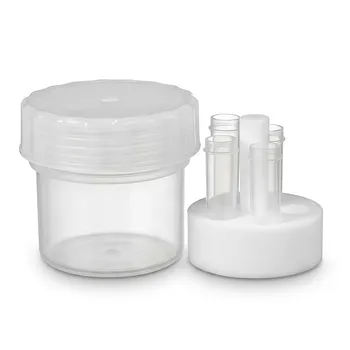
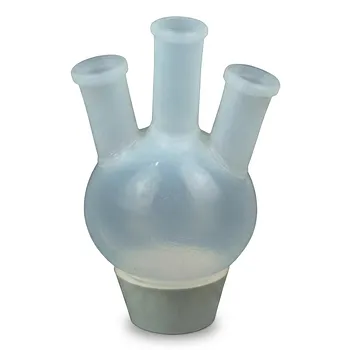
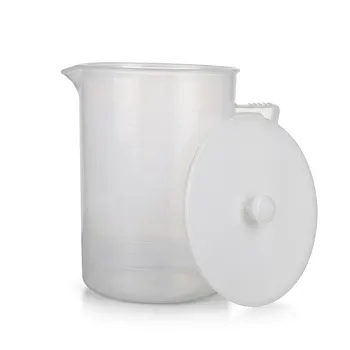
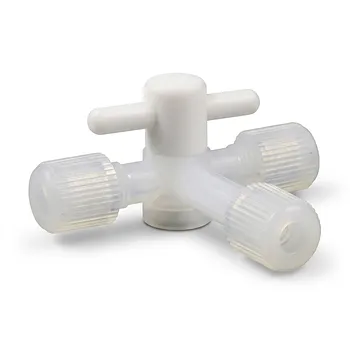
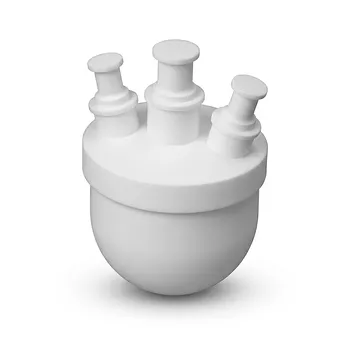
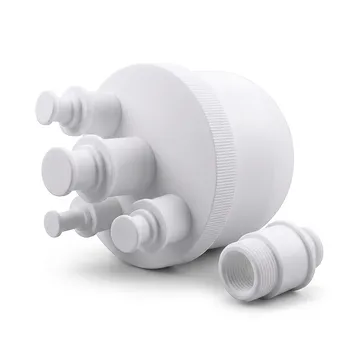
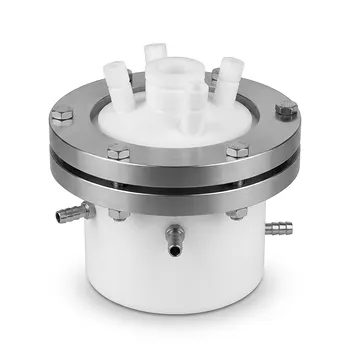
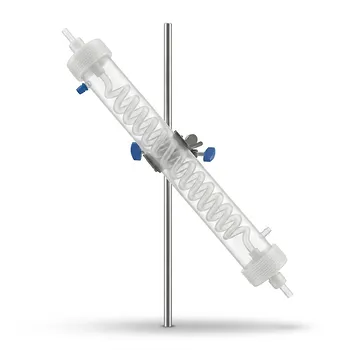
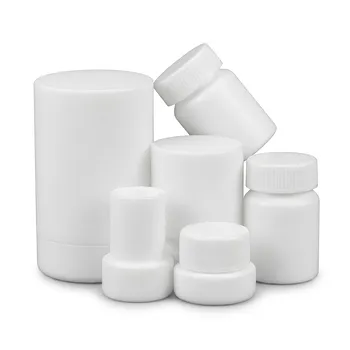
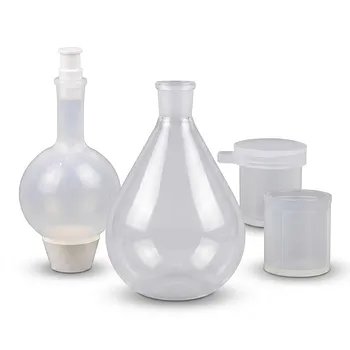
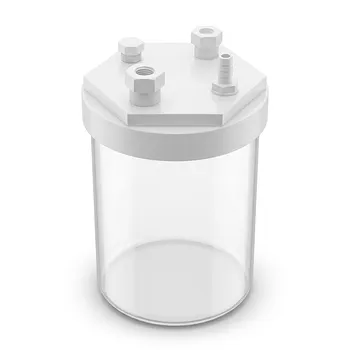
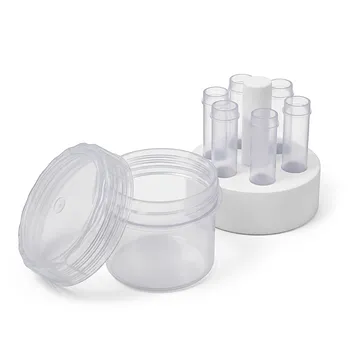
At KINTEK, we specialize in high-performance fluoropolymers, exclusively crafting labware and fluid transfer components from PTFE and PFA. Our products—from beakers, measuring cylinders, and digestion tubes to valves, fittings, and custom electrochemical cells—are designed to deliver the chemical inertness, low extractables, and thermal stability you need for reliable results.
Why choose KINTEK?
- End-to-end customization: We offer bespoke PTFE/PFA CNC machining for custom parts, ensuring a perfect fit for your unique applications.
- Comprehensive range: Everything from basic labware to advanced reaction apparatus, all backed by our expertise.
- High-volume capability: Whether you need a single prototype or large-scale production, we supply with consistency and precision.
Contact us today to discuss your requirements and discover how KINTEK can enhance your lab's efficiency and data integrity. Get in touch with our team now!
Related Products
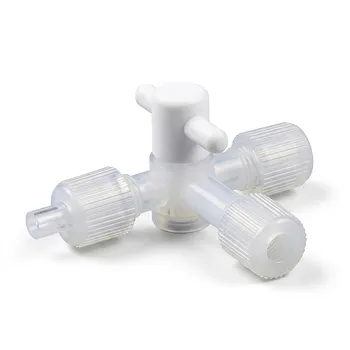
- Corrosion Resistant High Purity PFA Valve and Weldable Transparent Tubing for Semiconductor Fluid Transfer
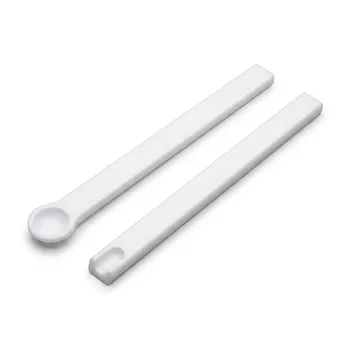
- Corrosion Resistant PTFE Sampling Spoon for High Purity Solid Powder Reagent Handling and Laboratory Chemical Transfer
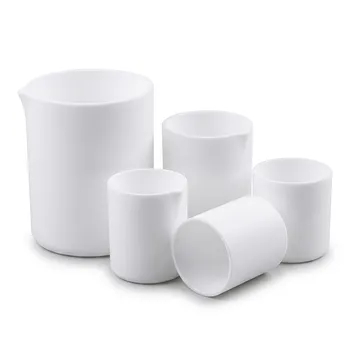
- Large Scale PTFE Beakers and Flasks for High Temperature Corrosion Resistant Laboratory Applications with Custom CNC Fabrication
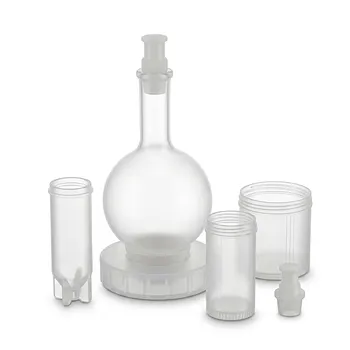
- Custom PFA Pear Shaped Flask High Purity Corrosion Resistant Labware Custom Molded Fluoropolymer Flask Glass Replacement Solution
- Custom PTFE Flask 250ml High Purity Fluoropolymer Laboratory Vessel for Chemical Research
People Also Ask
- Why are high-purity PFA fluid transfer components preferred for battery electrolytes? Ensure Purity & Data Accuracy
- How do high-precision PFA fluid transfer components, such as tubing and fittings, affect the results of continuous-flow synthesis?
- How do PFA fluid transfer components contribute to chemical research precision? Achieve high-purity results today.
- What role do PFA tubing and valves play in high-precision laboratory fluid transfer systems? Ensure Ultra-Pure Results
- What advantages do PTFE and PFA tubing offer for organic solvents? Superior chemical resistance, purity, and high-temperature stability.