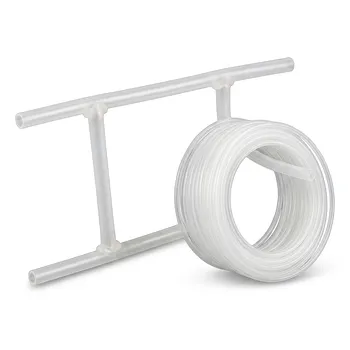
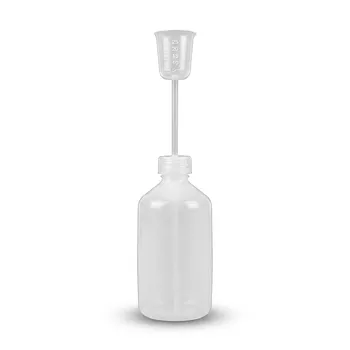
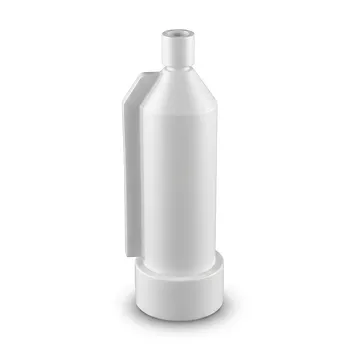
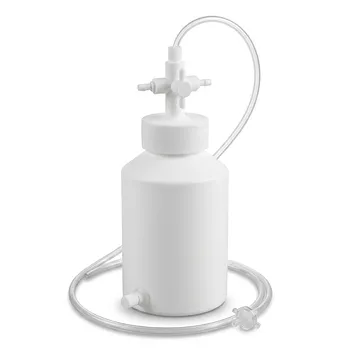
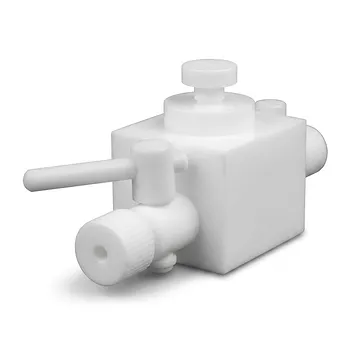
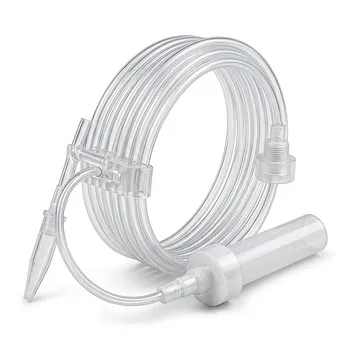
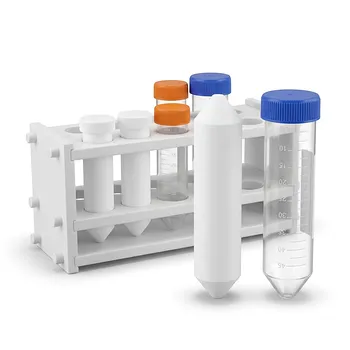
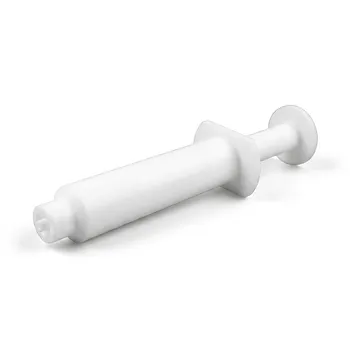
High-purity PTFE and PFA components provide chemically resistant, low-contamination fluid paths for chlorosulfonic-acid post-sulfonation. Their resistance to strong acids, aggressive solvents, and elevated temperatures helps prevent tubing, valves, fittings, and seals from swelling, degrading, or leaching impurities into the reaction. This supports safer reagent dosing, more reliable containment, and tighter control of sulfonation conditions needed to reach the target ion-exchange capacity (IEC).
During post-sulfonation, PTFE and PFA help protect both the operator and the polymer batch: they maintain fluid-path integrity while minimizing contamination, adsorption, and uncontrolled changes in reagent delivery.
Why Chlorosulfonic Acid Requires Specialized Components
The reagent creates a severe materials challenge
Chlorosulfonic acid is highly corrosive and reacts readily with moisture. Conventional plastics, elastomers, and metal components may soften, swell, corrode, or degrade when exposed to it, particularly under heated or prolonged reaction conditions.
A failure in the fluid path can therefore create two problems at once: an unsafe acid leak and contamination of the fluorinated polymer synthesis.
Post-sulfonation requires controlled reagent exposure
The degree of sulfonation depends on variables such as reagent concentration, contact time, temperature, and mixing. Unreliable tubing or fittings can compromise these variables through leaks, restricted flow, chemical attack, or inconsistent dosing.
A chemically stable transfer system helps deliver chlorosulfonic acid at a predictable rate and volume, improving repeatability between batches.
Functional Advantages of PTFE and PFA
High resistance to strong acids and solvents
PTFE and PFA are highly chemically inert fluoropolymers. They remain resistant across a broad range of aggressive chemical environments, including strong acids and many aromatic, chlorinated, ester, and ketone solvents that can severely damage standard thermoplastics.
This is especially valuable when the post-sulfonation process includes solvent mixtures or elevated temperatures in addition to chlorosulfonic acid.
Reduced swelling, softening, and degradation
A compatible transfer component should retain its dimensions and mechanical function while exposed to the reaction chemistry. PTFE and PFA reduce the risk that tubing will swell, fittings will deform, or valve components will become brittle or mechanically unreliable.
Maintaining the original flow geometry also supports consistent dosing and minimizes unexpected pressure changes.
Lower risk of trace contamination
High-purity PTFE and PFA have exceptionally low leaching levels compared with many conventional materials. They help limit the introduction of plasticizers, metal ions, degraded polymer fragments, and other extractable impurities into the reaction.
This matters when the final polymer must meet strict purity requirements or when trace contaminants could affect downstream membrane, ion-exchange, electrochemical, or analytical performance.
Minimal adsorption and fewer side reactions
Fluoropolymer surfaces have low surface energy and generally resist adsorption of contaminants and reaction products. This helps prevent material from accumulating on the tubing wall or being released later into the batch.
A cleaner fluid path also reduces opportunities for degradation products or surface-bound species to participate in unintended side reactions.
Reliable transfer and containment
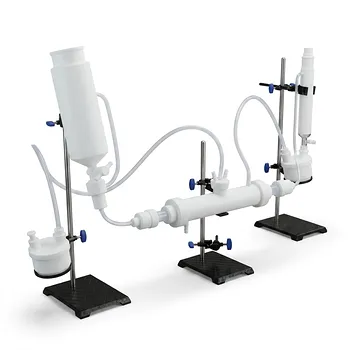
PTFE and PFA can be used in acid-resistant tubing, valves, fittings, connectors, vessels, and custom reaction apparatus. Properly designed assemblies provide a continuous, chemically compatible path from reagent storage through dosing and reaction.
This reduces leak risk and helps preserve the intended stoichiometry throughout the process.
Long-term operational integrity
The materials’ resistance to chemical attack and aging supports repeated use in harsh laboratory environments. Components are less likely to require frequent replacement because of corrosion, solvent damage, or surface degradation.
That improves process continuity and reduces the chance that a damaged component will fail during a sensitive synthesis.
PTFE and PFA Serve Different Design Priorities
PTFE suits highly inert, robust component designs
PTFE is widely used where maximum chemical resistance and low contamination are the main requirements. It is appropriate for many tubes, liners, seals, vessels, and fittings exposed directly to aggressive reagents.
Its mechanical behavior still has to be considered during assembly, especially where dimensional stability, compression, or repeated sealing is important.
PFA supports clean, fabricated fluid paths
PFA combines high chemical resistance with thermoplastic processing characteristics that make it useful for transparent tubing, molded fittings, bottles, and custom apparatus. Its visibility can help operators inspect fluid movement, bubbles, discoloration, or deposits in the transfer line.
The correct choice depends on the component geometry, temperature, pressure, flexibility, and inspection requirements rather than on chemical resistance alone.
How These Advantages Improve Synthesis Control
More accurate chlorosulfonic-acid dosing
Stable tubing and fittings help maintain predictable flow and reduce losses caused by leaks, permeation, or chemical damage. That makes the delivered reagent quantity more closely match the intended formulation.
More consistent dosing supports better control of the polymer’s degree of sulfonation and resulting IEC.
Better batch-to-batch reproducibility
A transfer system that behaves consistently over repeated acid exposures introduces fewer uncontrolled process variables. This is important when comparing reaction conditions or scaling a laboratory procedure.
Reproducibility depends on the entire process, but chemically compatible fluid handling removes a significant source of avoidable variation.
Protection of downstream polymer performance
Unwanted ions, organic extractables, or degraded component material can alter polymer properties or interfere with characterization. Low-leaching PTFE and PFA components help preserve the chemical composition of the product.
That supports more reliable measurements of IEC, conductivity, thermal behavior, and other performance characteristics.
Understanding the Trade-offs
Chemical resistance is not a universal guarantee
PTFE and PFA are highly resistant, but no material should be described as universally immune under every condition. Concentration, temperature, exposure time, pressure, mechanical stress, and the presence of other reagents must be checked against supplier compatibility data.
The complete assembly also matters: a fluoropolymer tube paired with an incompatible elastomer, adhesive, or metal insert can still become the point of failure.
Sealing requires appropriate mechanical design
PTFE and PFA are not substitutes for every type of elastomeric seal. PTFE, in particular, can exhibit creep under sustained compression, while PFA’s thermoplastic behavior must be considered during fabrication and connection.
Use seals, valve seats, compression fittings, and threaded connections that are specifically rated for the chemical and operating conditions.
Moisture control remains essential
Chlorosulfonic acid reacts with water, so chemically resistant components do not eliminate the need for dry handling. Tubing, vessels, connectors, and gas or reagent interfaces must be selected and assembled to limit moisture ingress.
Drying and compatibility procedures should cover the whole system, including cleaning residues and storage conditions.
Permeation and mechanical limits still matter
Chemical compatibility does not automatically establish pressure, vacuum, or permeation performance. Thin tubing, high temperatures, repeated flexing, and pressure cycling may impose limits even when the polymer itself is chemically stable.
The design should therefore be validated for actual operating pressure, temperature, wall thickness, bend radius, and duration of exposure.
How to Apply This to Your Project
Select the fluid-transfer design according to the process risk and the quality attribute that matters most.
- If your primary focus is chemical safety: Use PTFE or PFA for wetted tubing, valves, fittings, liners, and reaction vessels, and verify every non-fluoropolymer seal and insert separately.
- If your primary focus is sulfonation control: Use a dimensionally stable, low-leaching transfer path that enables accurate chlorosulfonic-acid dosing and minimizes dead volume or reagent loss.
- If your primary focus is polymer purity: Specify high-purity PTFE or PFA components to reduce leaching, adsorption, metal-ion introduction, and degradation-related contamination.
- If your primary focus is repeatable operation: Qualify the complete assembly at the intended concentration, temperature, pressure, and exposure time rather than qualifying tubing material in isolation.
- If your primary focus is process inspection: Consider PFA where transparent tubing or fabricated apparatus would help identify bubbles, deposits, discoloration, or flow irregularities.
For chlorosulfonic-acid post-sulfonation, the right PTFE or PFA system turns fluid handling from a contamination and safety risk into a controlled part of the synthesis.
Summary Table:
| Advantage | Key Benefit |
|---|---|
| Chemical Resistance | Withstands strong acids and solvents without degradation |
| Low Leaching | Minimizes trace contamination for high-purity products |
| Dimensional Stability | Maintains flow geometry for accurate dosing |
| Low Adsorption | Prevents buildup and side reactions |
| Reliable Containment | Reduces leak risk and ensures operator safety |
| Long-Term Durability | Withstands harsh conditions for extended use |
Optimize Your Fluoropolymer Synthesis with High-Purity PTFE/PFA Components
At KINTEK, we specialize in precision-crafted PTFE and PFA labware and fluid transfer components designed to withstand chlorosulfonic acid and ensure the highest purity in your post-sulfonation processes. From tubing, valves, and fittings to custom reaction apparatus, our products are manufactured with rigorous quality control to deliver reliable performance, minimize contamination, and enhance reproducibility. Partner with us to achieve superior sulfonation control and product quality.
Contact our experts today to discuss your specific requirements and discover how our solutions can elevate your laboratory's efficiency and output.
Related Products
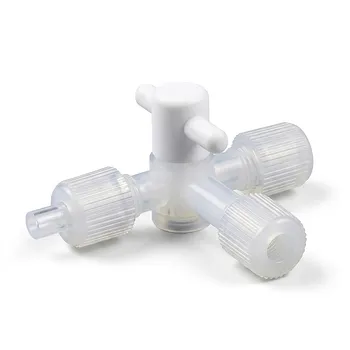
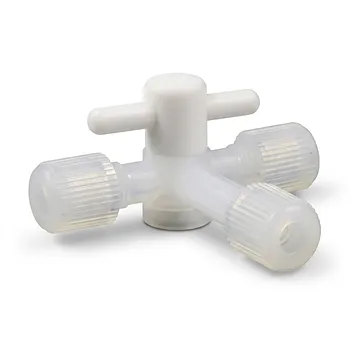
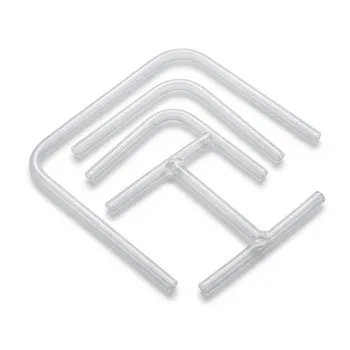
- Corrosion Resistant High Purity PFA Valve and Weldable Transparent Tubing for Semiconductor Fluid Transfer
- High Purity PFA Valves and Weldable Corrosion Resistant Transparent Tubing for Semiconductor Sensor Manufacturing Fluid Transfer
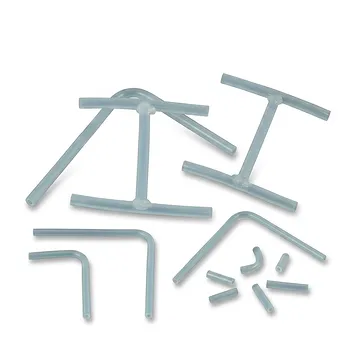
- High Performance PFA Coiled Spring Tubing and Custom PTFE Fabrication Services with Welded Fittings and Precision Bent Components
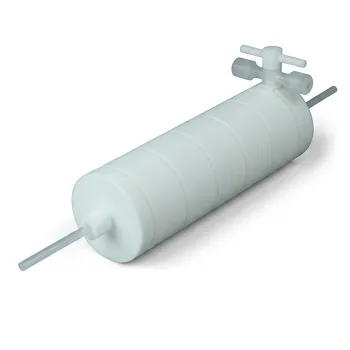
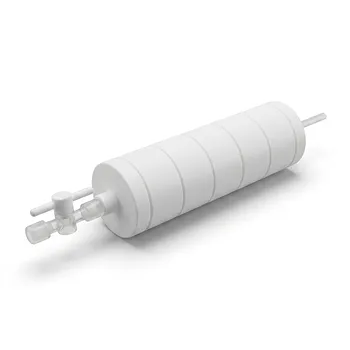
- High Purity PTFE Filter with PFA Valve Connections and Integrated Sieve Plate for Corrosive Fluid Processing
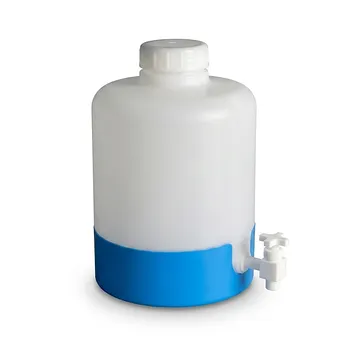
- High Corrosion Resistant PTFE Faucet Polytetrafluoroethylene Valve for Chemical Storage Drums and Fluid Transfer Systems Customizable Industrial Grade
People Also Ask
- Why are high-purity PFA fluid transfer components required for OSDAs and silica? Ensure Precision in Zeolite Synthesis
- Why are high-purity PFA fluid transfer components preferred for battery electrolytes? Ensure Purity & Data Accuracy
- How does high-purity PFA tubing maintain reagent purity? Achieve Ultra-Smooth, Zero-Contamination Fluid Transfer
- How do high-precision PFA fluid transfer components, such as tubing and fittings, affect the results of continuous-flow synthesis?
- How do PFA fluid transfer components contribute to chemical research precision? Achieve high-purity results today.