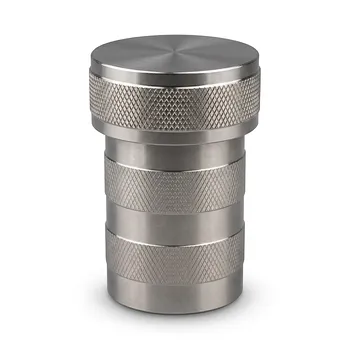
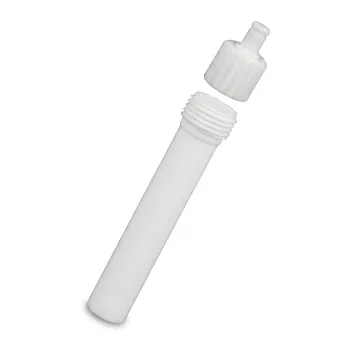
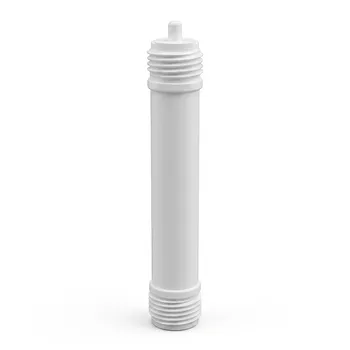
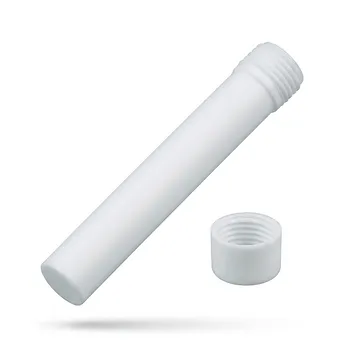
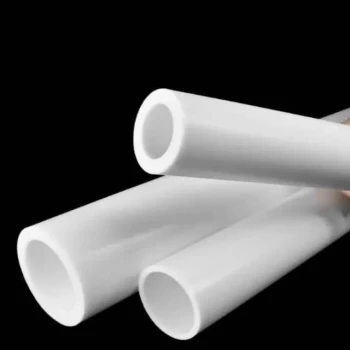
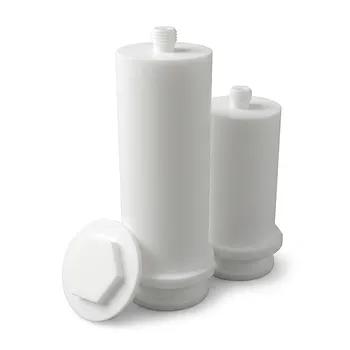
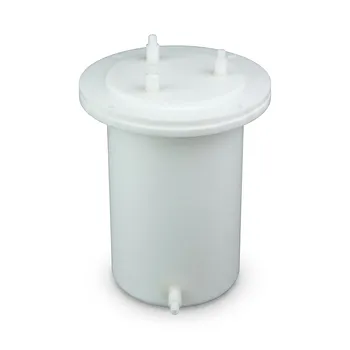
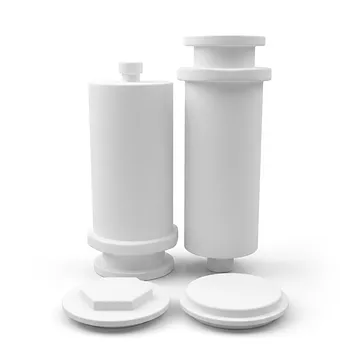
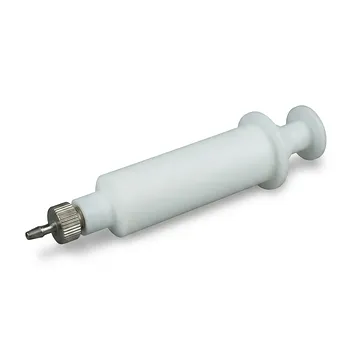
High-performance PTFE or PPL liners serve as the critical, inert reaction vessel within a hydrothermal autoclave. They create a controlled environment that isolates the synthesis mixture from the metal reactor body at high temperatures and pressures. By preventing the introduction of external metal ions and resisting corrosive media, these liners ensure the high purity and structural consistency of synthesized molecular sieve crystals.
The core function of these liners is to provide a chemically neutral barrier that protects both the integrity of the molecular sieve's crystalline structure and the longevity of the autoclave. Without this isolation, the high-pressure, corrosive environment would lead to material contamination and rapid equipment failure.
Protecting the Purity of Crystal Growth
Mitigation of Metal Ion Contamination
Molecular sieve synthesis is highly sensitive to the presence of trace elements which can disrupt the delicate crystal lattice. These liners prevent the reaction liquid from interacting with the stainless steel outer shell, stopping the leaching of metal ions like iron or nickel into the sample.
Chemical Inertness in Aggressive Media
The synthesis of molecular sieves often requires the use of strong bases, acids, or organic solvents. High-performance PTFE and PPL are virtually unreactive, ensuring that the chemical composition of the synthesis gel remains exactly as intended throughout the reaction.
Low Impurity Leaching Rates
Beyond simple resistance, high-purity liners have extremely low leaching rates. This is vital for the preparation of high-performance materials where even parts-per-billion levels of impurities could alter the catalytic or adsorptive properties of the final product.
Engineering for High-Pressure Environments
Containment of Autogenous Pressure
As the temperature rises (typically to 165°C–175°C), the liquid inside the liner generates significant internal pressure. The liner must maintain its structural integrity to ensure the reaction proceeds under stable, reproducible conditions.
Thermal Stability and Material Selection
PTFE (Polytetrafluoroethylene) is the standard for most synthesis tasks due to its excellent cost-to-performance ratio. PPL (Para-polyphenylene) is utilized when the synthesis requires higher temperatures, offering enhanced thermal stability and resistance to deformation under load.
Protection of the Autoclave Body
The liner acts as a sacrificial and replaceable barrier that protects the expensive stainless steel autoclave shell. By preventing corrosion and chemical pitting of the metal, the liner significantly extends the service life of the laboratory equipment.
Understanding the Trade-offs
Temperature and Pressure Limits
PTFE liners generally have a safe operating limit of 220°C to 250°C, while PPL can extend this to approximately 280°C. Exceeding these limits can cause the liner to soften or deform, leading to potential leaks or structural failure of the vessel.
Physical Deformation (Creep)
Under repeated high-pressure cycles, these polymers can undergo "creep" or permanent deformation. This may eventually make the liner difficult to insert or remove from the autoclave, necessitating regular replacement to maintain safety standards.
Cleaning and Cross-Contamination
While the non-stick surface facilitates easy cleaning, certain organic molecules can sometimes be absorbed into the polymer matrix. In high-precision synthesis, this "memory effect" requires rigorous cleaning protocols to prevent cross-contamination between different synthesis batches.
Making the Right Choice for Your Goal
To achieve the best results in molecular sieve synthesis, select your liner based on the specific requirements of your reaction:
- If your primary focus is standard zeolite synthesis (under 200°C): A high-purity PTFE liner is the most cost-effective solution, providing excellent inertness and easy sample recovery.
- If your primary focus is high-temperature synthesis (200°C to 280°C): Utilize a PPL liner, which offers superior hardness and thermal resistance to prevent deformation at elevated temperatures.
- If your primary focus is maximizing product yield: Prioritize liners with a high-quality non-stick finish to ensure the complete recovery of fine micro- and nano-powders after the reaction.
By serving as a robust chemical and physical shield, these liners enable the precise control necessary for advanced material synthesis.
Summary Table:
| Feature | PTFE Liners | PPL Liners |
|---|---|---|
| Temperature Limit | 220°C - 250°C | Approximately 280°C |
| Chemical Resistance | High (Acids, Bases, Solvents) | High (Enhanced Thermal Stability) |
| Best Use Case | Standard Zeolite Synthesis | High-Temperature/Pressure Reactions |
| Key Advantage | Cost-effective, High Purity | Resists Deformation & "Creep" |
| Main Function | Metal Ion Isolation | Structural Integrity at Heat |
Elevate Your Synthesis Precision with KINTEK Fluoropolymers
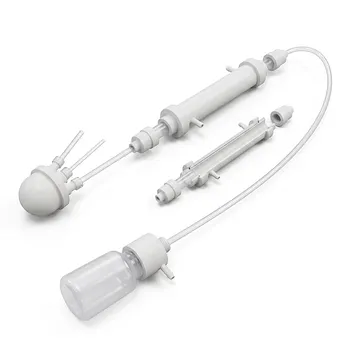
Achieving consistent, high-purity molecular sieves requires labware that refuses to compromise. At KINTEK, we specialize in high-performance fluoropolymer solutions designed for the most demanding chemical environments. From our high-purity PTFE and PPL hydrothermal synthesis liners and microwave digestion vessels to complex electrochemical cells and microchannel reactors, we provide the inert barriers your research demands.
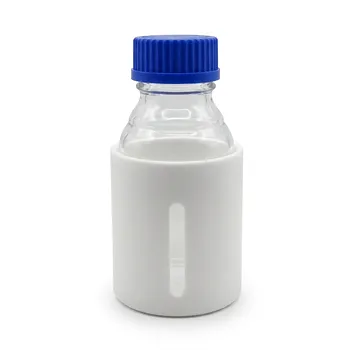
Our expertise extends from everyday labware—including beakers, reagent bottles, and fluid transfer components—to custom CNC-fabricated parts and bespoke laboratory setups. Whether you require high-volume consumables or non-standard machined components, KINTEK’s absolute focus on high-performance materials like PTFE and PFA ensures your samples remain pure and your equipment stays protected.
Need a custom solution for your high-pressure reactions? Contact us today to explore our full range of laboratory supplies!
References
- Junze Zhuang, Xuguang Liu. Accelerated Crystallization of Zeolites via Solid Boron Free Radicals. DOI: 10.1021/jacsau.5c00468
This article is also based on technical information from Kintek Knowledge Base .
Related Products
- PTFE Lined High Pressure Digestion Vessel 50ml High Temperature Hydrothermal Synthesis Tank
- High Temperature Corrosion Resistant Hydrothermal Synthesis Reactor with TFM Inner Liner and Straight Cylinder Design
- High Purity PTFE Microwave Digestion Vessel Replacement Liner for Acid Sample Preparation and Trace Analysis
- High Purity PTFE Microwave Digestion Vessel for Soil and Food Analysis Acid Resistant Fluoropolymer Sample Preparation Liners
- High Purity TFM Microwave Digestion Vessels PTFE Acid Evaporation Liners Domestic GT-400 Equivalent Laboratory Reaction Containers
People Also Ask
- What are the benefits of using a PTFE-lined vessel for carbon-sulfur cathode treatment? Maximize Purity & Performance
- Why are PTFE-lined pressure digestion vessels required for the preparation of Ag/CeO2 catalysts? Purity & Performance
- What safety features are typically incorporated into high-pressure PTFE digestion vessel designs? Ensure Lab Safety
- What is the function of high-pressure PTFE digestion vessels in mineral analysis? Optimize Sample Mineralization
- What is the function of PTFE lined high-pressure vessels in g-C3N4 synthesis? Achieve High-Purity Material Growth