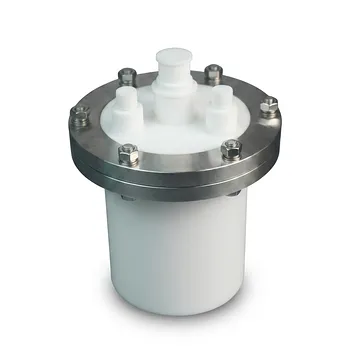
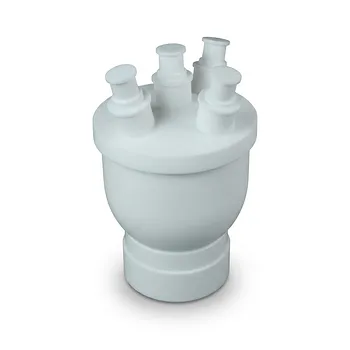
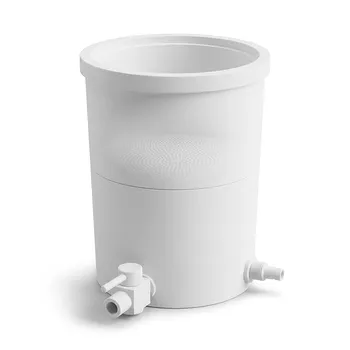
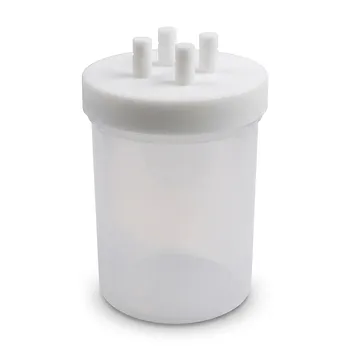
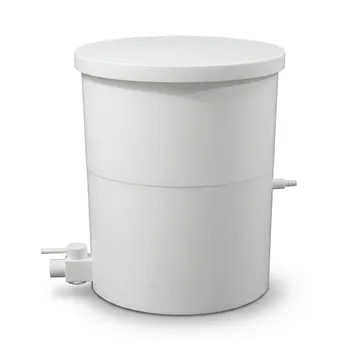
Forced degradation studies of Dimercaptosuccinic acid (DMSA) require precise environmental control to identify potential impurities. Laboratory chemical reactors facilitate this by providing a robust, sealed environment capable of maintaining aggressive pH levels, high temperatures, and exposure to strong oxidants. These conditions are specifically designed to induce the formation of oxidative and hydrolytic impurities, which are critical for validating the sensitivity and accuracy of analytical testing methods.
Laboratory chemical reactors act as high-integrity simulation chambers that subject DMSA to extreme stresses. By creating a stable space for accelerated degradation, these reactors enable researchers to map potential decomposition pathways and ensure analytical methods are robust enough to detect any resulting impurities.
Simulating Extreme Environmental Stress
Aggressive pH Manipulation
DMSA studies often require exposure to highly acidic or basic environments to test hydrolytic stability. Laboratory reactors are designed with specialized materials that resist corrosion, allowing researchers to push the compound to extreme pH limits without contaminating the sample.
Thermal Acceleration
To simulate long-term storage in a shortened timeframe, reactors provide a controlled platform for high-temperature exposure. This thermal stress accelerates chemical reactions that might otherwise take months or years to occur, revealing the thermal stability profile of the DMSA molecule.
Controlled Oxidative Environments
The introduction of strong oxidants within the reactor chamber allows for the study of oxidative degradation pathways. This is essential for DMSA, as it helps researchers identify which oxidative impurities are likely to form when the substance is exposed to oxygen or other reactive species during its lifecycle.
The Importance of Reactor Integrity
Acid-Base Resistance
Because DMSA degradation often involves harsh chemical reagents, the reactor’s material compatibility is paramount. Reactors used for these studies must be constructed from materials that do not react with or leach into the sample, ensuring that the impurities detected are purely a result of DMSA breakdown.
Sealing and Pressure Management
High sealing integrity ensures that the experimental environment remains stable and contained, even when internal pressures rise due to heat or gas evolution. This containment is vital for maintaining the accuracy of the concentration levels and protecting the laboratory environment from potentially volatile degradation byproducts.
Verification of Analytical Methods
The ultimate goal of providing these conditions is to produce a "degraded sample" that serves as a benchmark. By intentionally creating potential oxidative and hydrolytic impurities, researchers can verify that their chromatography or mass spectrometry methods are capable of recognizing and separating every relevant degradation product.
Understanding the Trade-offs
Risk of Over-Degradation
While the goal is to induce degradation, excessive stress can lead to secondary degradation, where the primary impurities break down further into irrelevant fragments. This can complicate the analytical profile and make it difficult to identify the most likely impurities formed under real-world conditions.
Balance Between Speed and Realism
High-temperature settings accelerate results but may sometimes trigger reaction pathways that do not occur at ambient temperatures. Technical advisors must carefully calibrate reactor settings to ensure the degradation observed is extreme yet still chemically relevant to the drug's stability.
Optimizing DMSA Degradation Protocols
How to Apply This to Your Project
To effectively utilize laboratory reactors for DMSA studies, you should tailor the stress conditions to your specific research objectives.
- If your primary focus is analytical method validation: Use the reactor to generate a wide variety of impurities by applying diverse stresses (pH, heat, and oxidants) to ensure your method has high specificity.
- If your primary focus is shelf-life prediction: Focus on precise thermal control and high sealing integrity to simulate accelerated aging without introducing unnatural chemical catalysts.
By precisely controlling these laboratory conditions, you ensure that your DMSA stability data is both scientifically sound and regulatory-compliant.
Summary Table:
| Condition Type | Stress Mechanism | Research Objective |
|---|---|---|
| pH Manipulation | Exposure to aggressive acids and bases | Assess hydrolytic stability and impurity formation |
| Thermal Acceleration | Precise high-temperature control | Simulate long-term storage and thermal stability |
| Oxidative Stress | Introduction of strong oxidants | Map oxidative decomposition pathways |
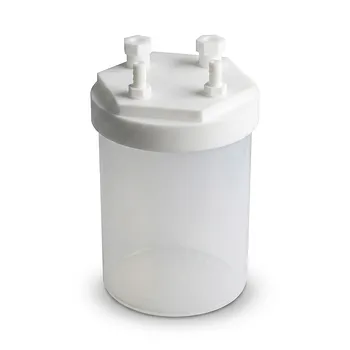
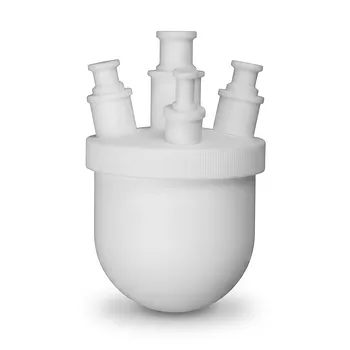
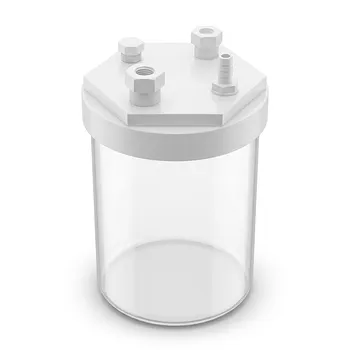
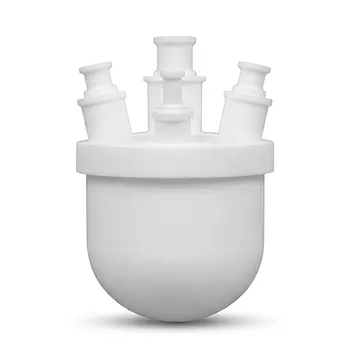
| Reactor Integrity | Corrosion-resistant PTFE/PFA materials | Prevent sample contamination and leaching |
Elevate Your Stability Studies with KINTEK’s Fluoropolymer Excellence
When performing forced degradation on sensitive compounds like DMSA, the integrity of your reaction environment is non-negotiable. KINTEK specializes in high-performance PTFE and PFA laboratory supplies designed to withstand the most aggressive pH levels and oxidative conditions without contaminating your samples.
From everyday basics like beakers, crucibles, and reagent bottles to advanced reaction apparatus—including hydrothermal synthesis liners, microwave digestion vessels, and custom electrochemical cells—we provide the high-purity tools necessary for accurate analytical validation.
Whether you need standard consumables like O-rings, filters, and stirring bars or complex, bespoke CNC-machined components tailored to your specific reactor setup, KINTEK delivers end-to-end solutions with an absolute focus on fluoropolymer performance.
Ensure your research is scientifically sound and regulatory-compliant. Contact our technical team today to discuss your custom laboratory needs!
References
- Jing Yao, Xiaodan Qiu. Characterization of Impurity Profile of Dimercaptosuccinate Using High-Performance Liquid Chromatography and Mass Spectrometry. DOI: 10.3390/separations13010013
This article is also based on technical information from Kintek Knowledge Base .
Related Products
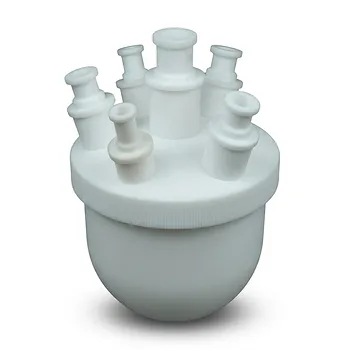
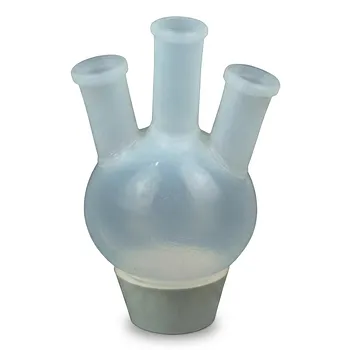
- Custom Multi Neck PTFE Flask 18L Laboratory Chemical Reactor Vessel for High Purity Synthesis and Stirring Applications
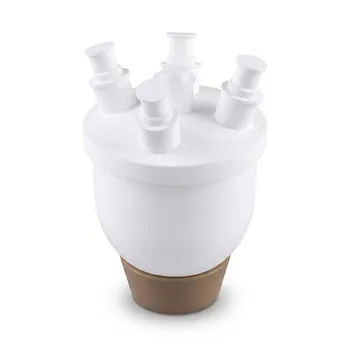
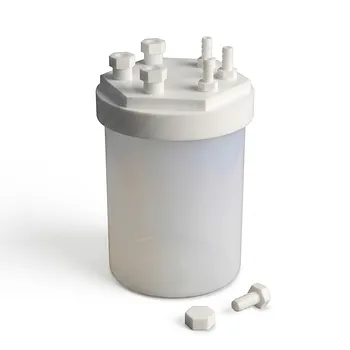
- High Performance Customizable PTFE Reaction Vessel and Corrosion Resistant Polytetrafluoroethylene Flask for Chemical Laboratory Use
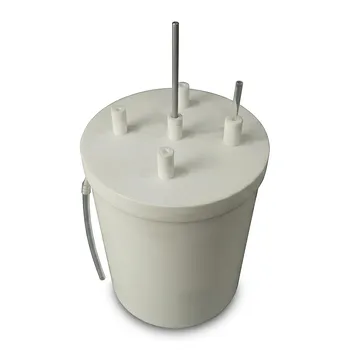
- PTFE 10L Reaction Vessel with Stirring Paddle Customizable Corrosion Resistant High Temperature Reactor for Biopharmaceutical and Chemical Processing
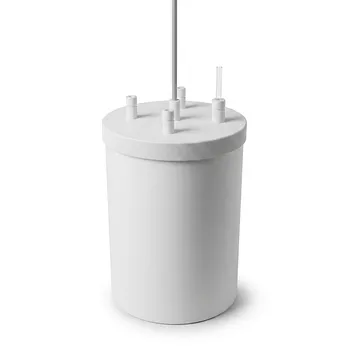
- High Purity Custom PTFE Laboratory Reaction Tank with Baffles for Low Background Trace Analysis
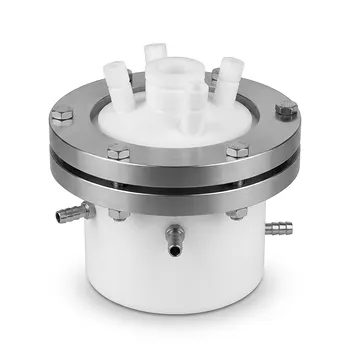
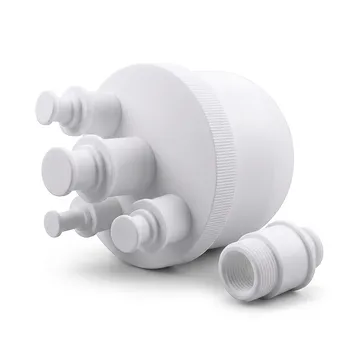
- Custom PTFE Reaction System with Hose Barb Fittings Corrosion Resistant High Sealing 2L 4L Lab Reactor with Separatory Funnel
People Also Ask
- What are the key steps for structural integrity in molded PTFE lab reaction vessels? Master fine powder processing.
- What customization options are available for PTFE materials? Tailor Performance for Your Application
- How does hardware selection optimize research? Enhance Workflows with Custom Reaction Vessels
- Why is the choice of reaction vessel material critical during B-NiBDC synthesis? Optimize MOF Purity & Performance
- Why is a stable reaction vessel essential for CuO nanoflower growth? Ensure Purity and Structural Integrity.