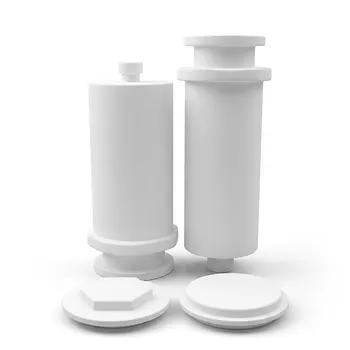
The remarkable non-stick properties and low friction of PTFE tubing are the direct result of its unique molecular architecture. Specifically, a carbon-atom backbone is shielded by a dense layer of fluorine atoms, creating a smooth, high-stability surface with extremely low surface energy. This configuration prevents other materials from forming chemical or physical bonds with the tubing, resulting in a static coefficient of friction typically between 0.05 and 0.10.
Core Takeaway: PTFE achieves its "near-frictionless" status by utilizing a fluorine-rich molecular shield that minimizes surface energy and eliminates the polar sites necessary for adhesion. This ensures that most substances simply cannot "grip" the material at a molecular level.
The Molecular Mechanics of Non-Stick Behavior
The Role of Fluorine Atoms
The primary driver of PTFE’s performance is the electronegativity of fluorine. In the PTFE polymer chain, fluorine atoms surround the carbon backbone, creating a protective "sheath" that is both chemically inert and physically smooth.
Low Surface Energy and Van der Waals Forces
PTFE exhibits a very low surface energy, measured at approximately 18–20 mN/m. Because this energy is so low, the surface resists van der Waals adhesion, which is the primary force that allows "sticky" substances to cling to solids.
Absence of Polar Sites
Unlike many other polymers, PTFE lacks polar sites, meaning there are no opportunities for hydrogen bonding or dipole-dipole interactions. This absence of molecular "hooks" is why biological materials and sticky media exhibit negligible adhesion to the tubing walls.
Variables Influencing Friction Coefficients
The Inverse Relationship with Pressure
Unique among solids, the coefficient of friction for PTFE actually decreases as the applied pressure increases. Under high-load conditions, the coefficient can drop as low as 0.03, making it exceptionally efficient for high-pressure seals and bearings.
Material Interaction Dynamics
The friction level is also dependent on the contact material; for instance, the friction between PTFE and stainless steel is often lower than the friction between two PTFE surfaces. This makes it an ideal lining material for mechanical systems involving metallic shafts or pistons.
Velocity and Temperature Impact
While PTFE is remarkably stable, its friction coefficient is sensitive to sliding velocity and temperature. Generally, the lowest friction is achieved during high-pressure, low-velocity movements, where the material's surface can maintain its integrity without thermal distortion.
Understanding the Trade-offs
The Challenge of "Creep"
Because PTFE is so "slippery" at a molecular level, it is prone to "creep" or cold flow under sustained compression. In structural applications like seals, this can lead to deformation, often requiring a bonded rubber core or fillers to maintain dimensional stability.
Machining and Handling Difficulties
The same low friction that makes PTFE valuable also makes it prone to slipping during the manufacturing process. This slippage can negatively affect machining accuracy and surface finish if specialized gripping techniques are not employed.
Bondability Limitations
Because the surface is designed to resist adhesion, it is notoriously difficult to bond PTFE to other materials. To create a permanent bond, the surface usually requires aggressive chemical etching to create the necessary polar sites that the natural molecular structure lacks.
How to Apply This to Your Project
Making the Right Choice for Your Goal
- If your primary focus is reducing mechanical wear: Utilize PTFE in high-pressure environments where its ability to lower friction under load will extend the service life of moving parts.
- If your primary focus is fluid transport and purity: Leverage the lack of polar sites to ensure that sticky or biological media pass through the tubing without leaving residue or causing clogs.
- If your primary focus is structural sealing: Account for "creep" by specifying PTFE components that are reinforced with internal cores or housed in rigid enclosures to prevent deformation.
By understanding the molecular interaction between fluorine and carbon, you can better predict how PTFE will behave under the specific thermal and mechanical stresses of your application.
Summary Table:
| Key Feature | Physical Mechanism | Practical Benefit |
|---|---|---|
| Molecular Shield | Fluorine atoms protect the carbon backbone | Extreme chemical inertness and stability |
| Surface Energy | Very low (18–20 mN/m) | Resists adhesion from "sticky" substances |
| Polar Sites | Absence of molecular "hooks" | Prevents bonding with biological or polar media |
| Pressure Effect | Friction decreases as load increases | Superior performance in high-pressure seals |
| Thermal Stability | Strong Carbon-Fluorine bonds | Maintains low friction across wide temperature ranges |
Elevate Your Lab Efficiency with KINTEK’s Fluoropolymer Expertise
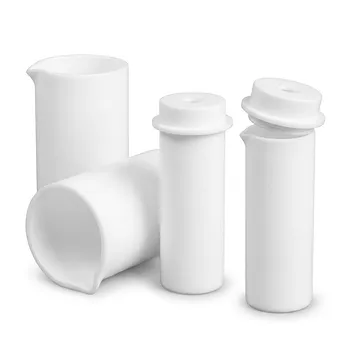
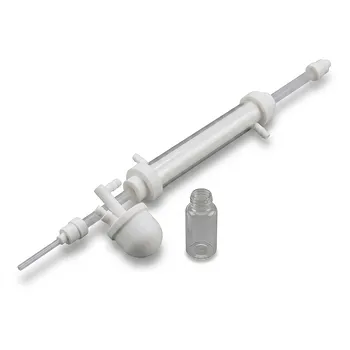
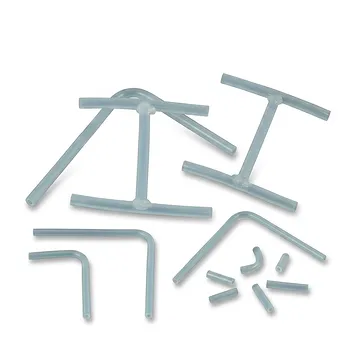
Need more than just standard tubing? KINTEK specializes in high-performance PTFE and PFA solutions tailored to your most demanding applications. Whether you require everyday labware like beakers and reagent bottles, or complex fluid transfer components like precision-engineered tubing, fittings, and valves, we have you covered.
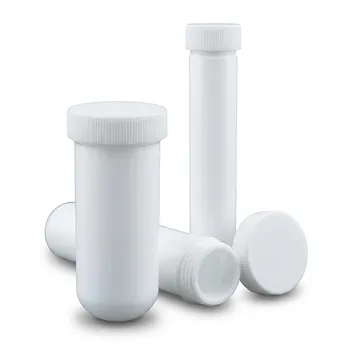
From high-purity trace analysis tools to advanced reaction apparatus—including custom electrochemical cells and microwave digestion vessels—our end-to-end custom CNC fabrication ensures every part meets your exact specifications. Don't let friction or residue compromise your results.
Ready to optimize your setup with bespoke fluoropolymer parts?
Contact KINTEK Today to discuss your project and discover why we are the trusted partner for high-performance laboratory supplies.
Related Products
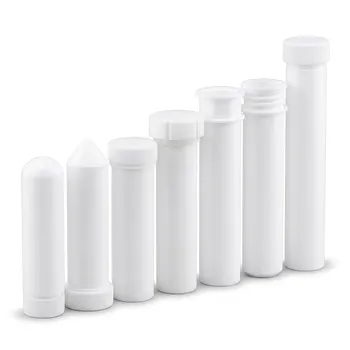
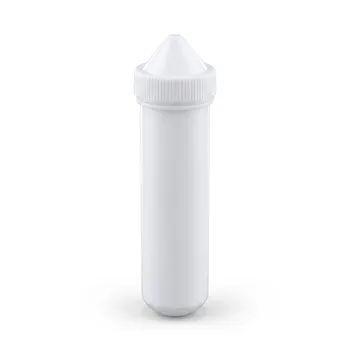
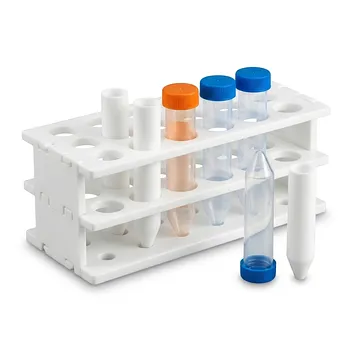
- Custom High Purity PTFE Digestion Tubes and Centrifuge Tubes for Trace Metal Analysis
- High Purity PTFE Digestion Tubes and Custom Centrifuge Tubes 100ml for Trace Analysis and Chemical Digestion
- Corrosion Resistant PTFE Digestion Tubes for Graphite Block Systems with Acid Reflux Caps Custom Dimensions
- Custom PTFE Digestion Tube Double Sided Openable High Temperature Corrosion Resistant Low Background
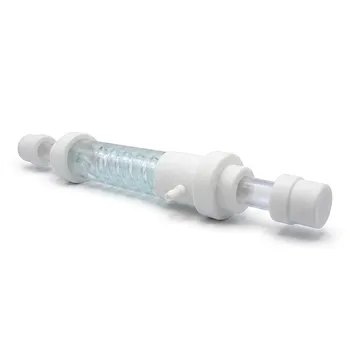
- Custom PTFE Condenser Tube 100ml Serpentine and Straight Fluoropolymer Laboratory Heat Exchanger with Flask Adapters
People Also Ask
- What are the common capacities and physical configurations available for PTFE digestion tubes? Expert Selection Guide
- How do PTFE digestion tubes minimize contamination during ultra-trace elemental analysis? Achieve high-purity results.
- What is the primary function of PTFE digestion tubes in a laboratory setting? Essential for Pure Sample Mineralization
- How do PTFE digestion tubes assist in pharmaceutical and biological sample preparation? Ensure High Recovery & Purity
- How does the synergy of pressure and temperature within a PTFE digestion tube improve digestion efficiency? Accelerate Sample Prep